







What's Happening?
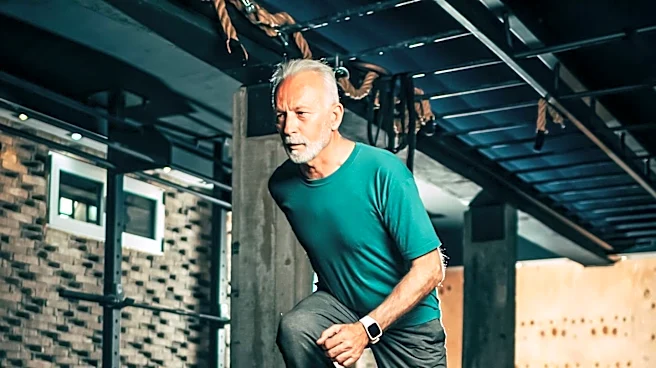
Harry King, an 83-year-old fitness trainer, emphasizes the importance of strength training for seniors to maintain muscle mass and bone density, which can help prevent falls and injuries. Despite his own challenges with advanced osteoarthritis and rheumatoid
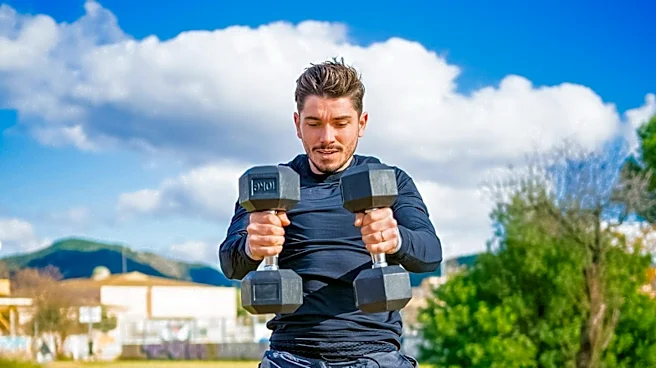
arthritis, King continues to work out four days a week and trains others. He recommends a routine that includes a five to ten-minute cardiovascular warm-up followed by 45 to 60 minutes of resistance training. This regimen involves exercises targeting both upper and lower body muscle groups, using equipment like dumbbells, cable machines, and leg press machines. King advises seniors to progress at their own pace and to consult with a doctor or certified trainer before starting a new exercise program.
Why It's Important?
As people age, they naturally lose muscle mass and bone density, increasing the risk of falls and injuries. Strength training can counteract these effects by building muscle and strengthening bones, which is crucial for maintaining independence and quality of life in older adults. King's approach highlights the adaptability of fitness routines to accommodate the physical limitations that may come with age, promoting a healthier lifestyle for seniors. This focus on senior fitness is significant as it addresses a growing demographic in the U.S., where the aging population is increasing, and healthcare systems are emphasizing preventive measures to reduce medical costs associated with age-related injuries.
What's Next?
Seniors interested in starting a strength training program should consider consulting with healthcare providers and fitness professionals to tailor a safe and effective routine. As awareness of the benefits of senior fitness grows, gyms and fitness centers may expand their offerings to include more senior-friendly programs and equipment. Additionally, there could be an increase in community-based initiatives aimed at encouraging older adults to engage in regular physical activity, potentially supported by public health campaigns and policies that promote active aging.
Beyond the Headlines
The emphasis on senior fitness not only has physical health benefits but also contributes to mental well-being and social engagement. Exercise can improve mood, reduce symptoms of depression, and provide opportunities for social interaction, which are important factors in combating loneliness and isolation among older adults. Furthermore, as more seniors adopt regular exercise routines, there may be a cultural shift in how aging is perceived, with greater recognition of the capabilities and contributions of older individuals in society.