







What's Happening?
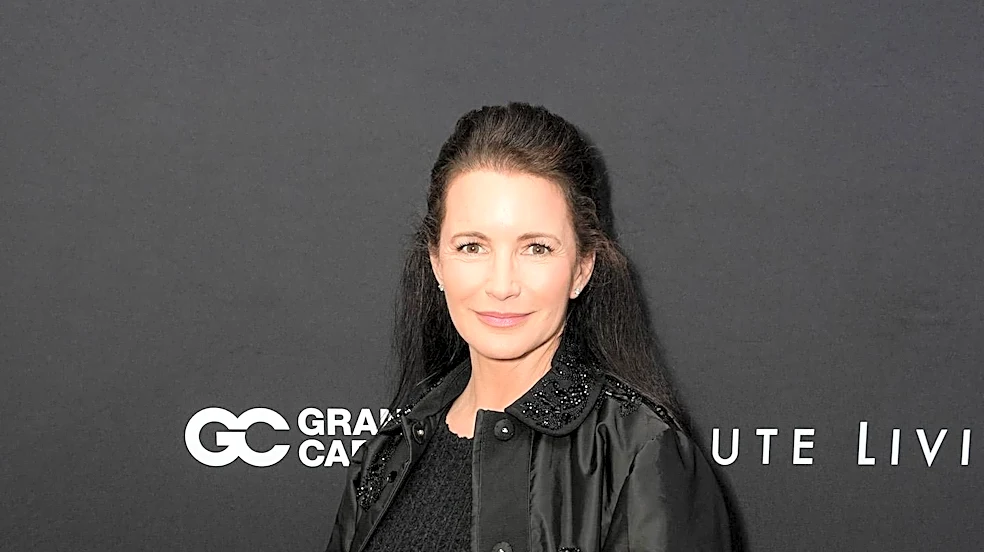
Kristin Davis, known for her role as Charlotte York in 'Sex and the City' and its sequel 'And Just Like That,' disclosed that the original series' costume designer, Patricia Field, initially 'did not like my body' and was 'frustrated with my curves.'
Davis shared this experience on her 'Are You a Charlotte?' podcast, noting that while their relationship is now fine, it was 'rough in the beginning.' Her co-star, Evan Handler, who played Harry Goldenblatt, expressed surprise at this revelation. This candid admission sheds light on the pressures and challenges actors, particularly women, face regarding their physical appearance in the entertainment industry, even on highly successful shows.
Why It's Important?
This revelation from Kristin Davis is important as it highlights the often-unseen pressures and body image issues prevalent within the entertainment industry. Despite playing a beloved character in a globally recognized series, Davis's experience underscores how even prominent actors can be subjected to critical scrutiny regarding their physical appearance by those they work with. This incident contributes to the broader conversation about body positivity and the unrealistic beauty standards often perpetuated by media. It also brings to the forefront the power dynamics within production teams, where a costume designer's preferences can significantly impact an actor's comfort and self-perception. Such disclosures can encourage greater transparency and accountability in Hollywood, potentially leading to more supportive and inclusive environments for performers of all body types.
What's Next?
Kristin Davis's comments are likely to fuel further discussions within the entertainment industry and among the public regarding body shaming and the treatment of actors. This could prompt other actors to share similar experiences, leading to a collective push for more respectful and inclusive practices on set. Production companies and studios might face increased pressure to implement guidelines or training programs that promote body positivity and ensure a supportive environment for all cast and crew members. The ongoing dialogue could also influence how costume design is approached, moving towards a greater emphasis on an actor's comfort and confidence rather than strict adherence to a designer's potentially narrow aesthetic preferences. This conversation may also impact how future revivals or new productions handle character portrayals and costume choices.
Beyond the Headlines
Beyond the immediate context of 'Sex and the City,' Davis's experience touches upon deeper societal issues concerning body image and the objectification of women in public life. The entertainment industry, as a major cultural influencer, often sets trends and standards for beauty. When figures like Davis speak out, it challenges these norms and encourages a more critical examination of how bodies are perceived and judged. This can have a ripple effect, empowering individuals outside of Hollywood to question and resist unrealistic beauty standards. The incident also highlights the subtle yet pervasive ways in which professional environments can impact personal well-being, emphasizing the need for empathy and respect in all workplaces, regardless of industry. It underscores the ongoing struggle for women to be valued for their talent and contributions rather than solely for their physical appearance.