






What's Happening?
Nike's running business, under the leadership of CEO Elliott Hill since 2024, has experienced a significant turnaround, reporting nine consecutive quarters of growth, with the last six showing double-digit increases. This resurgence follows a period of decline
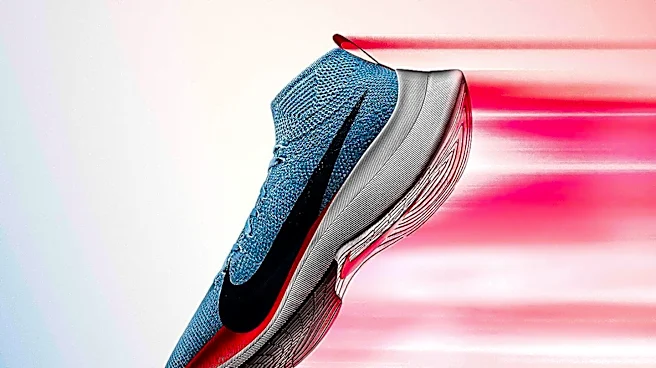
where Nike's share of the U.S. sports footwear market dropped from 40% in 2016 to 30% in 2025, according to Euromonitor. The company had previously shifted focus away from wholesalers to its own direct-to-consumer channels, which alienated independent running stores crucial for reaching serious runners. Hill emphasized the importance of 'living inside the sport' and focusing on athlete needs to drive innovation. Nike has also renewed key sponsorships, including the Chicago Marathon through 2036, and highlighted its new Apex racing shoe worn by New York City Marathon winner Andreas Almgren. Despite the success in running, Nike's overall revenue declined 2% in its last fiscal year, and company shares have fallen 60% since Hill became CEO.
Why It's Important?
The revitalization of Nike's running division is crucial for the company's overall strategy and market position. The previous decline in market share indicated a significant misstep in understanding consumer needs within the running community, allowing competitors like Hoka and On to gain traction. By re-engaging with running communities and focusing on product innovation, Nike aims to reclaim its leadership in a key athletic segment. This strategy, if successful, could serve as a blueprint for other sports categories where Nike has faced similar challenges, such as training, soccer, and basketball. The company's ability to adapt and regain trust with core athletic communities will be vital for its long-term growth and investor confidence, especially given the broader revenue decline and stock performance since Hill took the helm.
What's Next?
Nike plans to apply the successful strategies from its running business to other sports categories that have been neglected, including training, soccer, basketball, and outdoor activities. CEO Elliott Hill and President Amy Montagne have indicated that the focus will remain on building deep relationships with athletic communities and prioritizing athlete-centric product innovation. While investors reacted cautiously to recent announcements, with shares falling 6% on investor day, Nike projects a return to revenue growth in fiscal 2029 and aims for $5 billion in new annual revenue by the end of fiscal 2031. The company will continue to invest in sponsorships and marketing efforts to reinforce its presence in key athletic events and communities, aiming to translate the running segment's success into broader market recovery.
Beyond the Headlines
Nike's journey reflects a broader challenge for established brands in rapidly evolving consumer markets: balancing direct-to-consumer strategies with traditional wholesale relationships and maintaining authenticity within specialized communities. The initial shift away from independent running stores highlights the risk of losing touch with core customer segments when pursuing new business models. The subsequent recovery in running underscores the enduring importance of grassroots engagement, product innovation driven by athlete insights, and strategic partnerships. This case study could influence how other major sportswear brands navigate similar market dynamics, emphasizing that technological advancements and direct sales must be complemented by a deep understanding and authentic connection with the sport's participants at all levels, from elite athletes to casual enthusiasts.