





What's Happening?
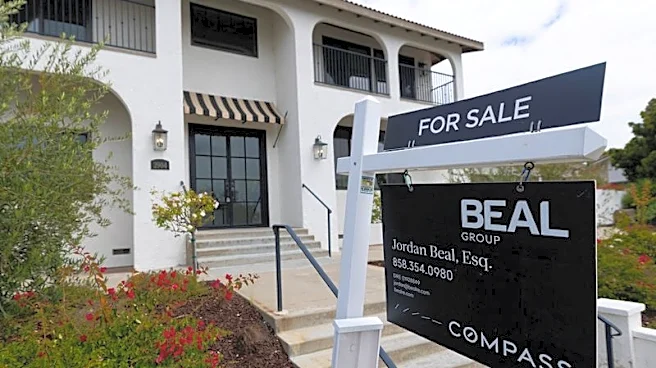
Mortgage rates in the United States have reached their highest level in a year, according to Freddie Mac's latest Primary Mortgage Market Survey. The average rate for a 30-year fixed mortgage increased to 6.66%, up from 6.58% the previous week. This rise
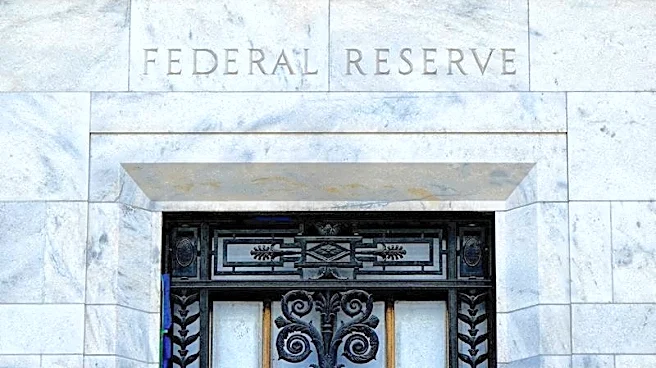
is attributed to various factors, including geopolitical tensions, particularly the conflict in Iran, which has pushed yields higher. The Federal Reserve's decision to maintain interest rates at their current range of 3.5% to 3.75% also plays a role, as mortgage rates closely track the 10-year Treasury yield, which was around 4.66% as of Thursday. Despite the rise in rates, the housing market benefits from increased inventory, providing more options for prospective buyers.
Why It's Important?
The increase in mortgage rates has significant implications for the U.S. housing market and economy. Higher rates can deter potential homebuyers, particularly first-time buyers who may struggle with increased borrowing costs. This situation could lead to a slowdown in the housing market, affecting related industries such as construction and real estate. Additionally, homeowners with existing low-rate mortgages may be less inclined to sell, further limiting housing inventory. The Federal Reserve's stance on interest rates, influenced by geopolitical events and inflation concerns, will continue to impact mortgage rates and the broader economic landscape.
What's Next?
Looking ahead, the Federal Reserve's future decisions on interest rates will be closely watched. With the Fed signaling a potential rate hike, near-term relief for mortgage rates seems unlikely. The ongoing conflict in Iran and its impact on oil prices and inflation will also be critical factors. A de-escalation in the Middle East could lead to lower rates, providing some relief to the housing market. Stakeholders, including homebuyers, real estate professionals, and policymakers, will need to navigate these uncertainties as they plan for the future.