



What's Happening?
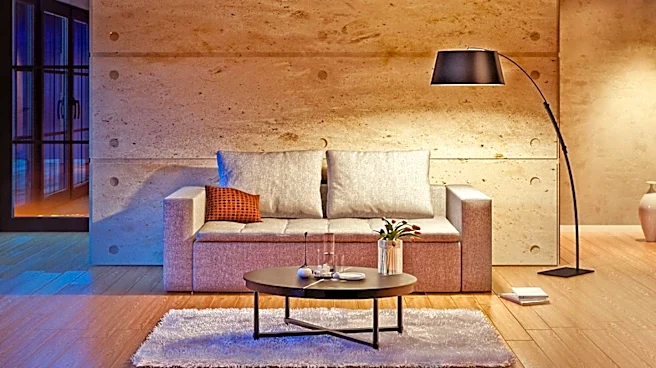
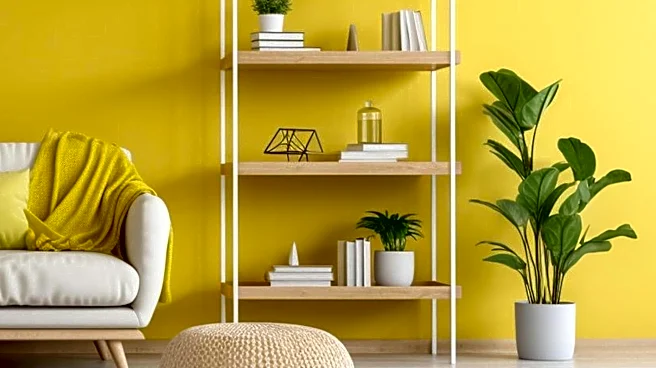
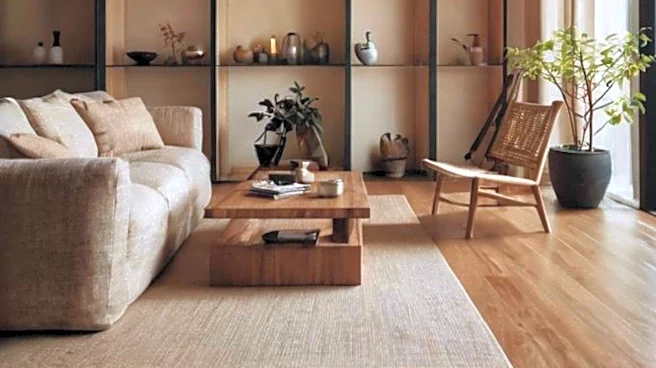
Japandi style is an emerging design philosophy that combines the minimalist aesthetics of Japanese design with the cozy, functional warmth of Scandinavian style. This approach emphasizes simplicity, clean lines, and the extensive use of natural materials.
Key characteristics include serene color palettes, often incorporating muted tones, and a focus on natural elements such as wood and paper. The style frequently integrates features like wooden wall slats and decorative panels, which serve both aesthetic and acoustic purposes, contributing to a calm and refined living space. This design trend is gaining traction for its ability to create harmonious and functional environments.
Why It's Important?
The rise of Japandi style reflects a broader shift in design preferences towards sustainability, natural materials, and mindful living, which has significant implications for the U.S. interior design and furniture industries. As consumers increasingly seek tranquil and uncluttered home environments, demand for products aligning with Japandi principles—such as minimalist furniture, natural wood finishes, and neutral textiles—is likely to grow. This trend could influence manufacturing, retail, and architectural design, encouraging a focus on craftsmanship and durable, eco-friendly materials. Businesses that adapt to this aesthetic, emphasizing quality and simplicity, stand to gain market share, while those adhering to more ornate or synthetic design trends might see reduced demand. The emphasis on functionality and natural elements also aligns with growing consumer awareness regarding environmental impact and well-being.
What's Next?
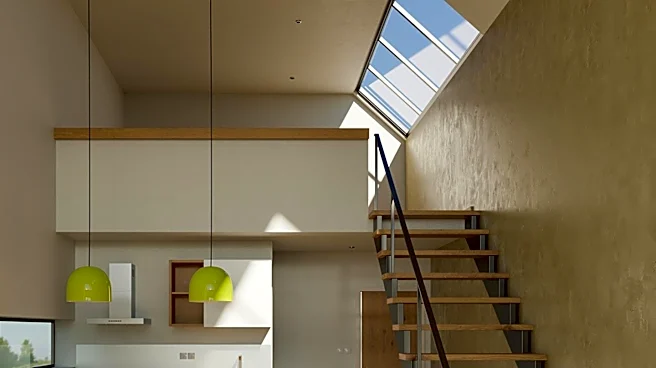
The continued popularization of Japandi style is expected to lead to its broader adoption in residential and commercial interior design across the U.S. We may see an increase in furniture lines, home decor collections, and architectural projects that explicitly market themselves under the Japandi aesthetic. Design schools and publications are likely to feature this style more prominently, further educating consumers and professionals. Retailers specializing in home goods may expand their offerings to include more items that fit this blend of Japanese and Scandinavian influences, such as light-toned wooden furniture, textured natural fabrics, and minimalist decorative objects. This trend could also inspire a greater focus on biophilic design elements, bringing more natural light and plant life into interior spaces.
Beyond the Headlines
Beyond its aesthetic appeal, Japandi style embodies a deeper cultural and philosophical convergence. It represents a fusion of two distinct yet complementary approaches to living: the Japanese concept of 'wabi-sabi,' which finds beauty in imperfection and transience, and the Scandinavian 'hygge,' which emphasizes coziness and well-being. This blend offers a holistic approach to home design that promotes tranquility, mindfulness, and a connection to nature. In a fast-paced, digitally saturated world, the adoption of Japandi style can be seen as a societal yearning for simplicity, calm, and authenticity. It encourages a decluttered lifestyle, fostering mental clarity and reducing stress, thereby impacting not just interior spaces but also the overall quality of life for those who embrace it.