








What's Happening?
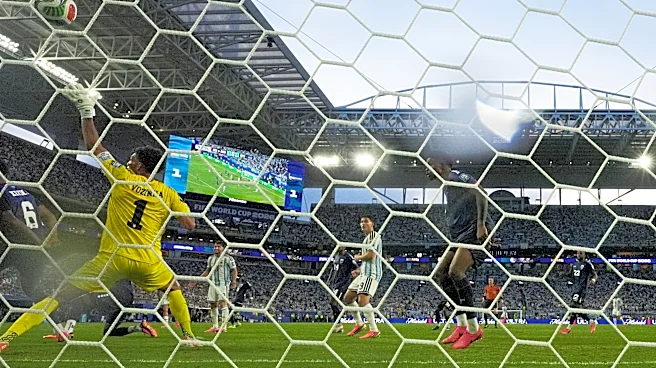
Cape Verde's national soccer team, led by 40-year-old goalkeeper Vozinha, made a memorable debut at the FIFA World Cup, despite not winning a match. Their journey concluded in the Round of 32 with a narrow 3-2 loss to Argentina, the defending champions,
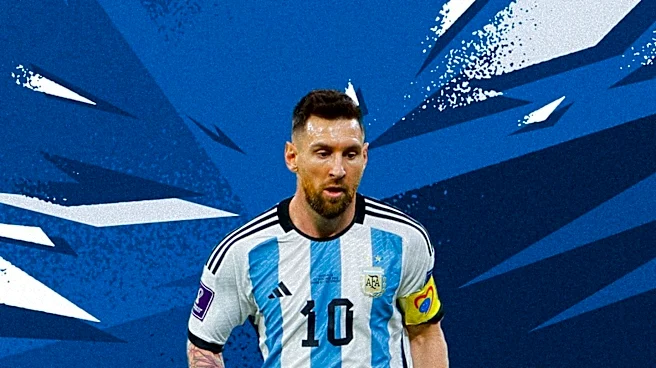
in extra time. Vozinha's performance was pivotal, as he made several crucial saves against Lionel Messi, nearly leading his team to one of the greatest upsets in sports history. Cape Verde's participation in the World Cup was marked by a series of dramatic draws, including a scoreless match against Spain, which helped them advance to the knockout stage. The team's efforts have brought significant attention to Cape Verde on the global soccer stage.
Why It's Important?
Cape Verde's performance at the World Cup is significant as it highlights the potential of smaller nations in international sports. Their success in reaching the knockout stage, despite being one of the smallest countries to participate, demonstrates the growing competitiveness and inclusivity of global soccer. This achievement not only boosts national pride but also increases Cape Verde's visibility on the world stage, potentially leading to more opportunities and investments in their sports infrastructure. The team's journey has also inspired fans worldwide, showcasing the universal appeal and unifying power of sports.
What's Next?
Following their World Cup performance, Cape Verde is likely to focus on building upon their success by investing in their soccer programs and infrastructure. The financial reward from FIFA for reaching the knockout stage could be used to enhance training facilities and support the development of young talent. Additionally, the international exposure may attract more friendly matches and collaborations with other national teams, further elevating Cape Verde's status in the soccer community. The team's inspiring story may also encourage more youth participation in sports, fostering a new generation of athletes.
Beyond the Headlines
Cape Verde's World Cup journey underscores the broader narrative of sports as a platform for smaller nations to gain recognition and challenge traditional powerhouses. The team's success highlights the importance of resilience, teamwork, and strategic planning in sports. It also raises questions about the allocation of resources and support for smaller nations in international competitions. As Cape Verde continues to build its sports programs, their story may influence policy discussions on how to create more equitable opportunities for all nations in global sports events.