


What's Happening?
Marie Diamond's Diamond Feng Shui Home Study Course, as highlighted in a Spotify episode, focuses on harnessing the ancient art of Feng Shui to create harmonious and balanced living spaces. The course, designed for both beginners and those with prior
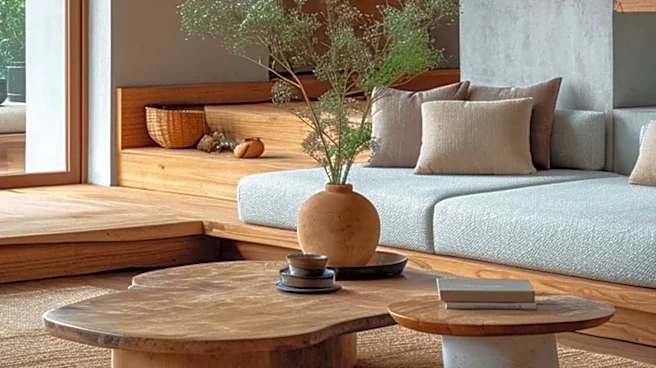
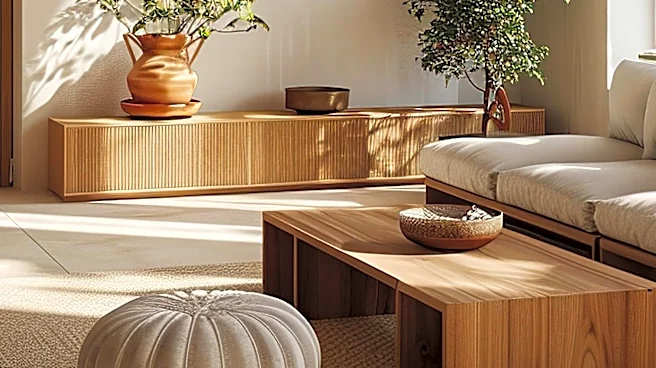
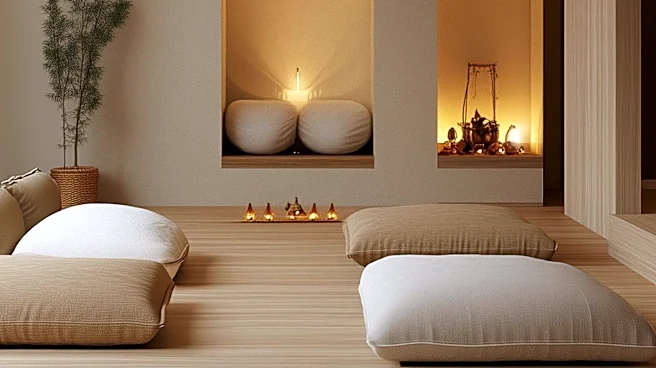
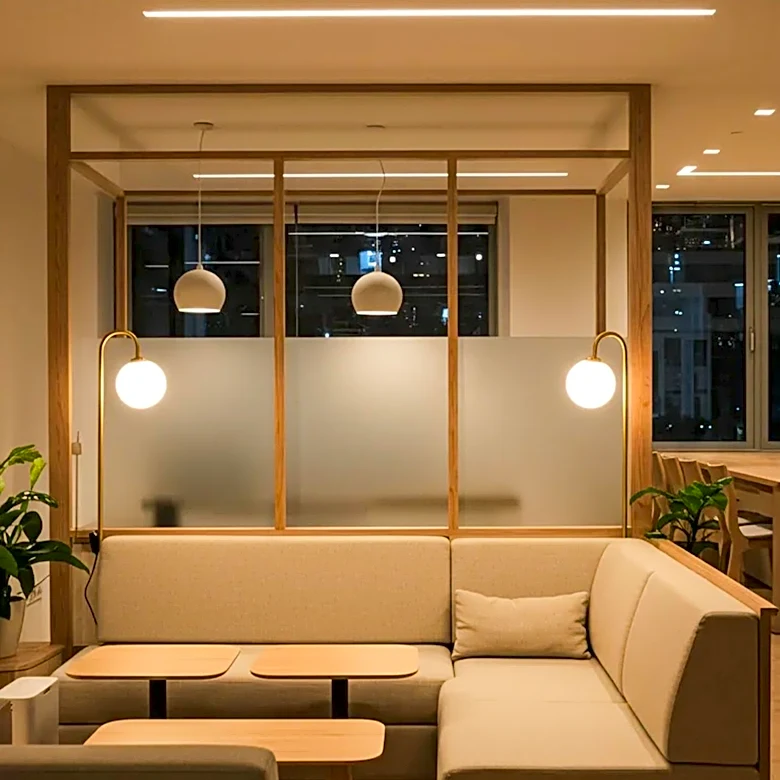
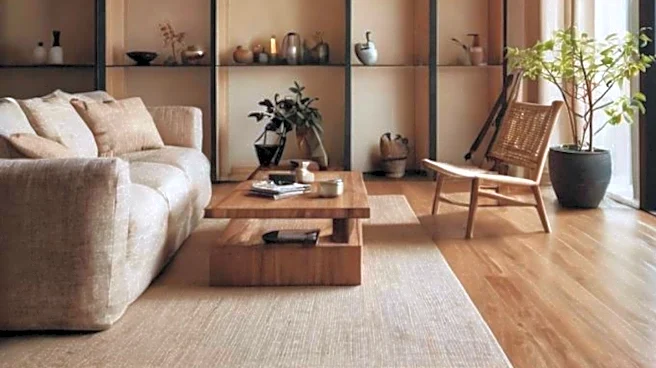
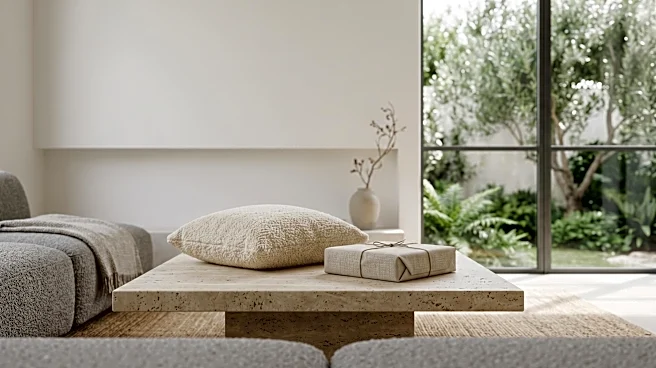
knowledge, emphasizes how environment influences energy, health, relationships, and overall well-being. Diamond's approach blends traditional Chinese philosophy with modern design, focusing on understanding 'chi' (energy flow) within a home. Key concepts include balancing the five elements (wood, fire, earth, metal, water) and utilizing the Bagua map to analyze and organize spaces for areas like wealth, health, and career. The course also stresses the importance of decluttering, organization, and the strategic use of colors, lighting, and furnishings. Natural light, air quality, and elements such as water features or plants are highlighted for fostering vitality and tranquility.
Why It's Important?
This course's emphasis on environmental influence on personal well-being holds significant implications for U.S. consumers and the home design industry. As more Americans seek holistic approaches to health and lifestyle, the principles taught by Marie Diamond could drive demand for specific design elements, furniture arrangements, and even real estate choices. The focus on decluttering and organization aligns with broader trends in minimalism and mindful living, potentially impacting retail markets for home goods and storage solutions. Furthermore, the integration of natural light, air quality, and plants speaks to a growing awareness of environmental health within homes, influencing architectural design and interior decorating practices across the country. This could lead to increased sales for products that support these Feng Shui principles, benefiting industries from home furnishings to air purification systems.
What's Next?
The continued promotion of courses like Marie Diamond's suggests a sustained interest in personalizing living spaces for improved well-being. Consumers in the U.S. are likely to increasingly seek out products and services that align with Feng Shui principles, such as specific color palettes, natural materials, and elements like indoor plants or small water features. This could lead to a rise in demand for Feng Shui consultants and designers specializing in these techniques. Retailers and home improvement stores may adapt their offerings to cater to these preferences, potentially creating new market segments. Educational platforms and online courses on Feng Shui are also likely to see continued growth as individuals look for accessible ways to learn and apply these concepts in their homes.
Beyond the Headlines
The popularity of Feng Shui courses like this one reflects a deeper societal shift towards seeking balance and harmony in an increasingly chaotic world. Beyond mere interior decoration, it taps into a desire for intentional living and a belief that one's physical environment profoundly impacts mental and emotional states. This trend could challenge conventional Western design philosophies, which often prioritize aesthetics over energetic flow. It also raises questions about the intersection of ancient wisdom and modern science, as people look for ways to integrate practices that may not be scientifically proven but offer perceived benefits. The course's emphasis on intuition and intention suggests a move towards more personalized and spiritually informed approaches to home design, potentially influencing broader cultural attitudes towards space and well-being.