


What's Happening?
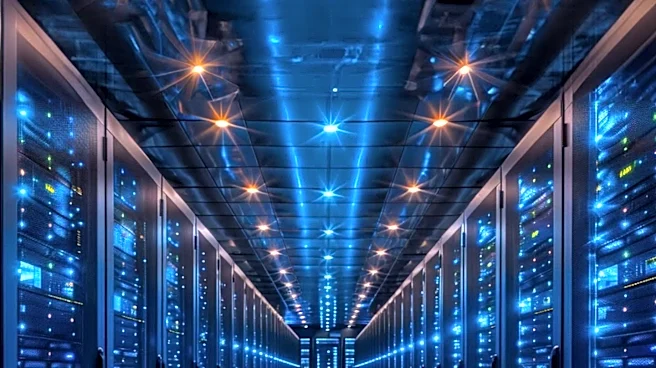
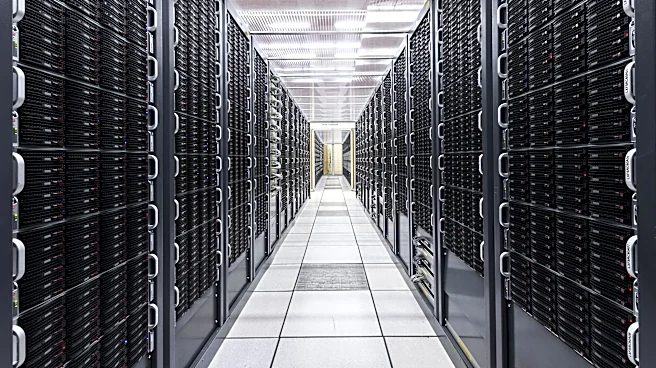
Microsoft, Meta, Oracle, and Alphabet have collectively committed $1.14 trillion to future lease payments for data centers and related infrastructure that have been signed but have not yet commenced. This figure, as of their third-quarter 2026 filings,
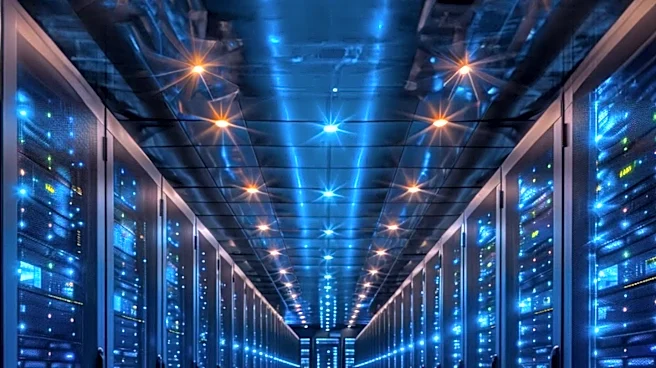
represents a significant increase from $306.7 billion reported a year prior. These leases are primarily for data centers, with some companies also including energy infrastructure, colocation, and network infrastructure. The agreements outline future payments for space that companies have secured but not yet occupied, meaning these obligations are not yet reflected on their balance sheets. The start dates for these leases range from the remainder of 2026 through 2036, with terms extending up to 30 years. This substantial investment indicates a long-term strategy by these technology giants to secure vast amounts of infrastructure capacity for their growing operational needs.
Why It's Important?
This massive commitment to future data center leases signals an unprecedented demand for digital infrastructure, driven largely by the expansion of cloud services, artificial intelligence, and other data-intensive technologies. The scale of these investments, totaling over a trillion dollars, underscores the critical role data centers play in the operations and growth strategies of the largest U.S. tech companies. It also highlights a significant forward-looking investment trend, as these firms are securing capacity years in advance, with some leases not commencing until 2036. This trend will likely impact the real estate market for specialized data center facilities, potentially driving up costs and accelerating development in key technological hubs. Furthermore, it indicates a sustained period of growth and reliance on digital services across various sectors of the U.S. economy.
What's Next?
The commencement of these leases, scheduled between 2026 and 2036, will lead to a substantial increase in operational data center capacity for these tech giants. This will likely translate into expanded cloud computing services, enhanced AI capabilities, and broader digital infrastructure offerings for businesses and consumers. The long-term nature of these commitments suggests that the demand for wholesale colocation and build-to-suit data center solutions will remain high, prompting developers and landlords to continue investing in new facilities. The focus will also shift to the energy sector, as powering these massive data centers will require significant electricity generation and distribution infrastructure, potentially influencing energy policy and investment in renewable sources. As these leases come online, they will further solidify the dominance of these companies in the digital economy.
Beyond the Headlines
The extensive pre-commitment to data center leases reflects a strategic imperative for major tech companies to control their infrastructure destiny amidst rapid technological advancements. This trend goes beyond mere capacity expansion; it represents a foundational shift in how these companies plan for future growth, ensuring they have the physical backbone to support innovations like advanced AI models and metaverse applications. The long lease terms, some extending to 30 years, suggest a belief in sustained, long-term growth in digital consumption and a desire to lock in favorable terms. This could also lead to increased competition for prime data center locations and energy resources, potentially raising environmental concerns related to energy consumption and carbon footprint. The sheer scale of these investments also highlights the increasing capital intensity of the technology sector, where infrastructure is becoming as critical as software development.