




What's Happening?
LVMH, the luxury goods conglomerate, reported a 3% decline in revenue for the first half of 2026, amounting to €38.64 billion. Despite this, the company experienced a 2% organic revenue growth year-on-year, with a 3% increase in the second quarter. The
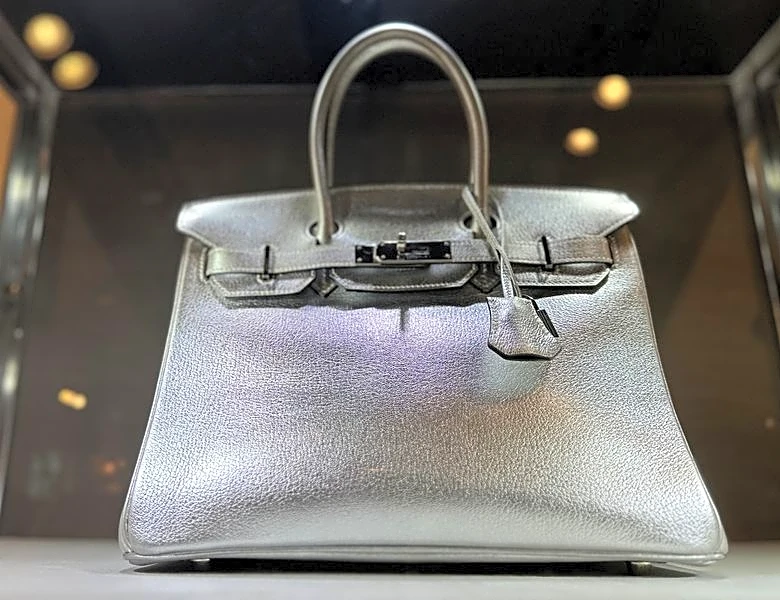
U.S. market showed accelerated growth, while Asia, excluding Japan, continued its positive trend from late 2025. The fashion and leather goods segment saw a 5% revenue decline but returned to 1% organic growth in the second quarter. LVMH also announced the sale of Marc Jacobs to WHP Global. The company remains optimistic about its 2026 outlook, focusing on brand desirability and product quality.
Why It's Important?
LVMH's performance highlights the resilience of the luxury sector amidst global economic uncertainties. The company's ability to achieve organic growth despite a reported revenue decline underscores the strength of its brand portfolio and strategic market positioning. The U.S. and Asian markets' growth is particularly significant, reflecting consumer confidence and demand in these regions. The sale of Marc Jacobs indicates LVMH's strategic focus on optimizing its brand portfolio. The company's commitment to maintaining product quality and brand desirability is crucial for sustaining its competitive edge in the luxury market.
What's Next?
LVMH plans to continue enhancing its brand appeal and retail excellence, which will be critical in navigating the uncertain geopolitical and economic landscape. The company's strategic focus on key markets like the U.S. and Asia suggests potential for further growth in these regions. Additionally, the sale of Marc Jacobs may lead to further portfolio adjustments as LVMH seeks to streamline operations and focus on high-performing brands. The luxury sector's performance will likely be influenced by global economic conditions, consumer spending trends, and geopolitical developments.