




What's Happening?
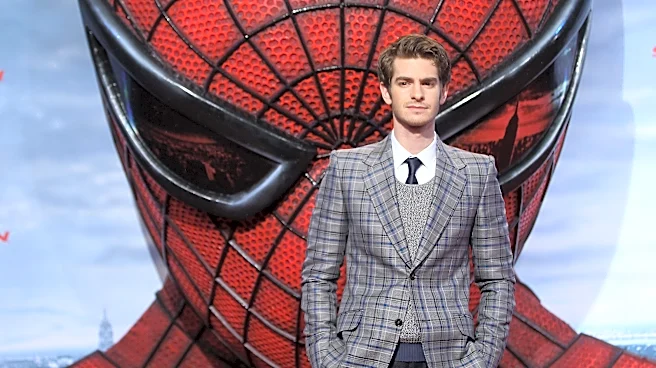
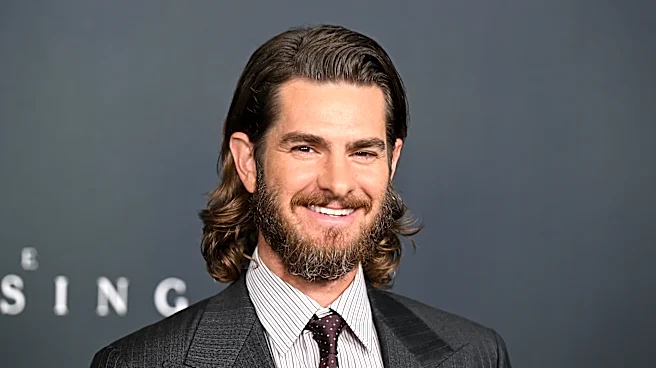
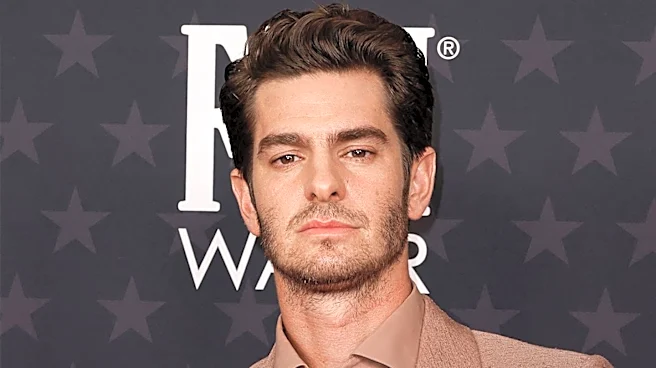
Andrew Garfield, known for his portrayal of Spider-Man in 'The Amazing Spider-Man' films, has once again expressed his desire for a queer version of the superhero. This sentiment echoes comments he made a decade ago during the promotion of 'The Amazing Spider-Man 2'
in 2013. At that time, Garfield questioned producer Matt Tolmach about the absence of a queer Spider-Man and suggested that Mary Jane (MJ) could be a male character. He even proposed Michael B. Jordan for the role, envisioning an "interracial bisexuality" for Peter Parker. Garfield believes that the character of Spider-Man is universally beloved because anyone can project themselves into the suit, regardless of skin color, gender, or sexuality. He views his initial suggestion as an act of rebellion and a call for greater inclusivity in the iconic superhero franchise. This stance comes as current Spider-Man actor Tom Holland has also advocated for diversification, specifically mentioning a live-action Miles Morales.
Why It's Important?
Garfield's continued advocacy for a queer Spider-Man highlights ongoing discussions within the entertainment industry regarding representation and diversity in mainstream media. His comments, particularly the suggestion of a male Mary Jane, challenge traditional interpretations of established characters and could influence future casting and storyline decisions for major franchises. This push for inclusivity reflects a broader societal shift towards demanding more diverse portrayals in popular culture, which can impact audience engagement and the cultural relevance of long-standing intellectual properties. For Marvel and Sony, these discussions underscore the pressure to evolve their characters to resonate with a wider, more diverse global audience, potentially leading to new creative directions and expanded fan bases. The conversation also touches on the economic implications of appealing to diverse demographics, as inclusive storytelling can attract new viewers and increase box office success.
What's Next?
While Garfield's comments are a reiteration of a long-held personal view, they contribute to the ongoing public discourse about the future direction of the Spider-Man franchise and superhero narratives in general. The current iteration of Spider-Man, portrayed by Tom Holland, has seen discussions around the introduction of Miles Morales, an Afro-Latino Spider-Man, into live-action. Garfield's remarks could further fuel these conversations and potentially influence future creative decisions by Marvel and Sony regarding character development and representation. Although there are no immediate plans announced for a queer Spider-Man or a male Mary Jane, the continued public advocacy from actors associated with the franchise keeps the possibility alive and may encourage creators to explore more diverse storylines in upcoming films or series. The entertainment industry will likely continue to navigate these calls for diversity, balancing fan expectations with creative innovation.
Beyond the Headlines
The deeper implications of Garfield's statements extend beyond mere casting choices; they touch upon the evolving nature of archetypal characters in modern storytelling. Spider-Man, as a character, has historically represented the everyman, and Garfield's argument that 'anyone can project themselves into that suit' speaks to the potential for these characters to transcend traditional boundaries of identity. This perspective challenges the notion of fixed character traits and opens up possibilities for reinterpretation that reflect contemporary societal values. Ethically, it raises questions about the responsibility of major studios to represent diverse experiences and identities, especially given the global reach and cultural impact of superhero franchises. The long-term shift could see a greater fluidity in character development, where gender, sexuality, and race are not immutable but rather elements that can be explored and adapted to resonate with new generations, fostering a more inclusive and representative media landscape.