


What's Happening?
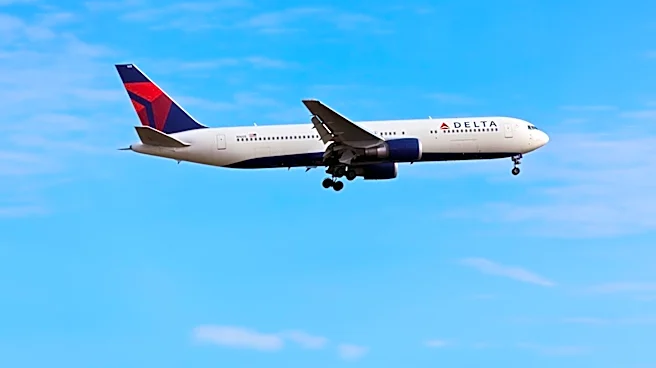
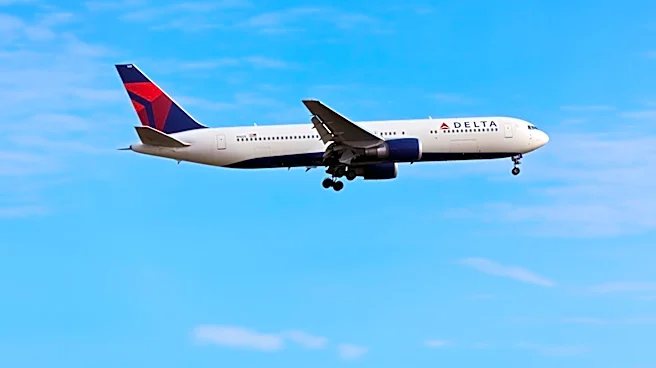
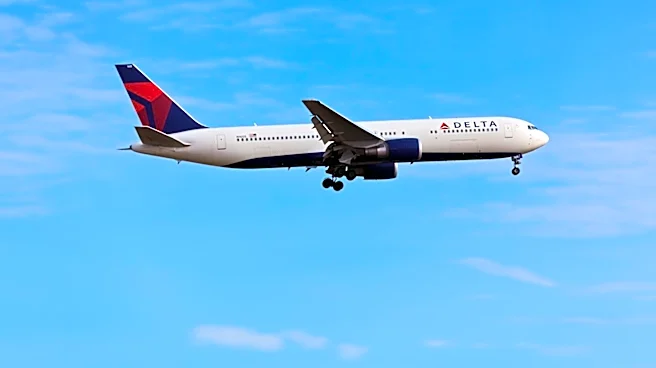
Ed Bastian, CEO of Delta Air Lines, has emphasized the critical role of credit card partnerships, particularly with American Express, in bolstering airline profitability. Delta's American Express card program is projected to generate over $9 billion this
year. This figure significantly contributes to the airline's anticipated pretax profit of $4.5 billion for the year. Bastian described American Express as Delta's "No. 1 partner in the world." These partnerships have evolved from simple frequent flyer programs into a substantial revenue stream for airlines, especially as they face high operational costs like increased jet fuel prices. Airlines receive payments from credit card companies for each account and also benefit from perks like lounge access and earned miles. This model allows airlines to generate revenue even when customers are not directly purchasing flights with their co-branded cards, as the majority of spending occurs outside the airline brand to accumulate points.
Why It's Important?
The reliance on credit card partnerships for airline profitability signifies a fundamental shift in the airline business model. This strategy provides a stable and substantial revenue stream that can offset volatile operational costs, such as fluctuating fuel prices. For consumers, this means an increasing differentiation between frequent and occasional flyers, with loyalty programs offering significant perks to those who utilize co-branded credit cards. The financial health of major U.S. airlines is increasingly tied to these partnerships, impacting their ability to invest in new aircraft, routes, and services. The substantial revenue generated from these programs also influences how airlines unbundle services, treating previously automatic inclusions like checked bags or seat selection as perks to reward status, thereby driving further engagement with their loyalty ecosystems. This model also raises questions about consumer behavior, as individuals might be incentivized to spend more or incur fees to chase airline status and rewards.
What's Next?
The trend of airlines leveraging credit card partnerships for profitability is expected to continue and evolve. Airlines will likely further refine their loyalty programs and credit card offerings to maximize revenue and customer engagement. This could lead to more exclusive perks, tiered reward systems, and potentially higher annual fees for premium cards. Consumer advocates may continue to raise concerns about potential issues, such as the devaluation of points or the risk of consumers overspending to achieve status. Airlines will need to balance the profitability of these programs with maintaining customer satisfaction and avoiding practices that could be perceived as exploitative. The ongoing development of these partnerships will shape the competitive landscape of the airline industry, influencing how airlines attract and retain customers in a highly competitive market.
Beyond the Headlines
The deep integration of credit card programs into airline business models highlights a broader economic phenomenon where non-core services become significant profit centers. This transformation blurs the lines between traditional industries, with airlines effectively operating as financial entities that happen to fly planes. The ethical implications revolve around consumer behavior and financial literacy, as individuals are encouraged to engage with complex reward systems that may not always be in their best financial interest. The concept of 'breakage,' where unspent rewards become free money for airlines, underscores the financial advantage these programs offer. This model also contributes to a two-tiered system of travel, where those with co-branded credit cards and elite status enjoy a significantly different experience than occasional travelers, potentially exacerbating inequalities in access to premium travel benefits. The long-term shift could see airlines increasingly prioritize their most profitable customers, further segmenting the travel experience.