





What's Happening?
Independent fashion designers are being guided on how to successfully get their brands stocked in boutiques and stores. The process emphasizes thorough preparation, including defining wholesale and retail prices, minimum order quantities, production timelines,
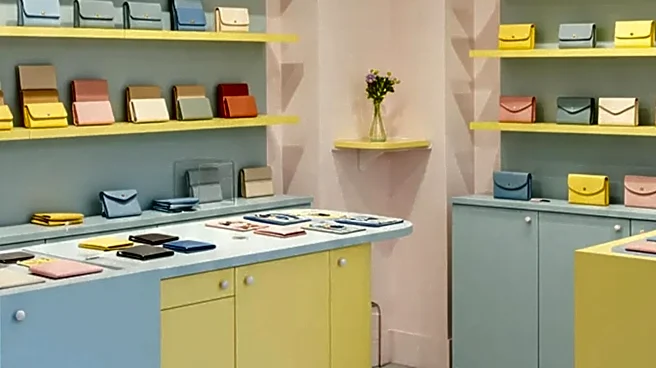
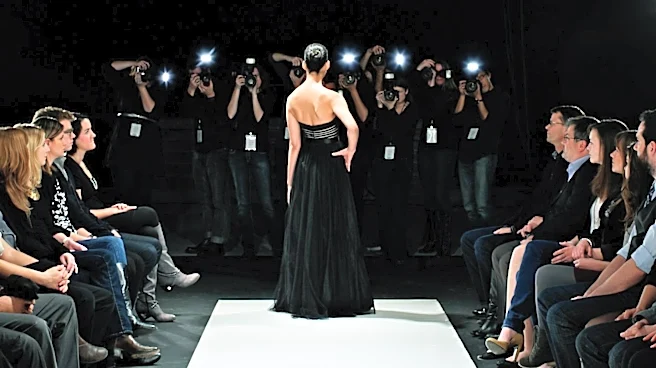
and repeat order capabilities. Designers are advised to identify boutiques that align with their brand's aesthetic, price point, and values, with concept stores and independent boutiques often being more receptive to emerging labels than department stores. Key materials required for pitching include a line sheet, lookbook, concise brand story, and clear terms regarding orders and payments. The guide also covers various stocking models such as wholesale, consignment, and concessions, and highlights the importance of showrooms and trade fairs, particularly during fashion week events, for broader buyer exposure.
Why It's Important?
This guidance is crucial for the growth and sustainability of independent fashion brands within the U.S. market. By providing a structured approach to securing stockists, it helps emerging designers navigate the complex retail landscape, which is vital for their economic viability and brand recognition. Successful placement in boutiques offers credibility, direct customer feedback, and access to new markets, contributing to the diversity and innovation of the American fashion industry. For boutiques, stocking new brands can attract unique clientele and differentiate their offerings. The advice on understanding different business models (wholesale, consignment) also helps designers manage financial risks and optimize their revenue streams, fostering a more robust and dynamic fashion ecosystem in the United States.
What's Next?
Independent fashion brands are expected to refine their business operations and marketing materials based on these guidelines, aiming to secure placements in suitable boutiques. Designers will likely focus on preparing comprehensive line sheets, lookbooks, and clear terms to present to potential stockists. The advice suggests that designers should time their pitches around main buying periods, typically during and before fashion weeks, to align with buyers' seasonal planning. Furthermore, participation in showrooms and trade fairs will become a strategic next step for brands looking to expand their reach and connect with multiple buyers simultaneously. The emphasis on nurturing stockist relationships post-placement indicates a long-term strategy for sustained growth and market presence.
Beyond the Headlines
The detailed advice for independent fashion brands on securing boutique stockists points to a broader shift in the retail landscape, where curated experiences and unique offerings are increasingly valued. This trend empowers smaller, independent designers to compete with larger brands by leveraging niche markets and direct relationships with retailers. It also highlights the evolving role of boutiques as curators of unique fashion, moving beyond mere sales points to become brand-building partners. Ethically, this approach encourages sustainable practices by fostering closer ties between designers and retailers, potentially leading to more thoughtful production and consumption. The emphasis on preparation and clear communication also professionalizes the independent design sector, raising standards across the industry and fostering a more equitable environment for emerging talent.