





What's Happening?
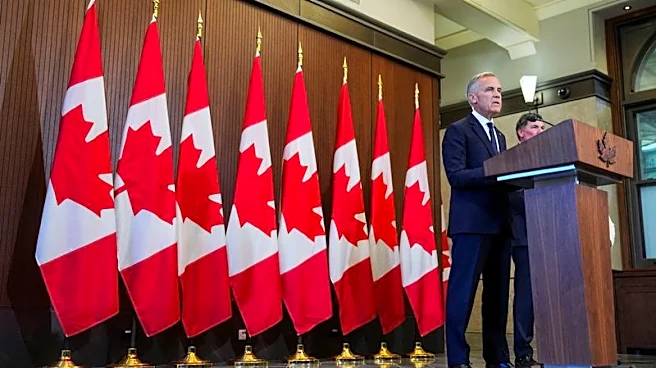
President Trump announced on Friday that the U.S. will allow the import of up to 300,000 metric tons of ground beef without tariffs for the next 90 days. This decision comes in response to average U.S. ground beef prices reaching $6.88 per pound. The
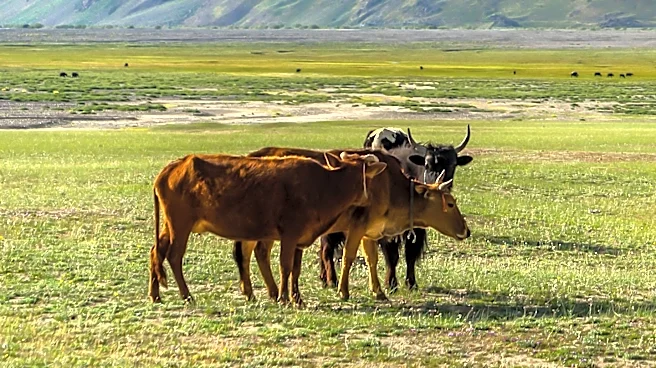
specific countries from which the beef will be imported were not disclosed by President Trump, who stated, “I don’t want to say which countries — but there are a few countries — but they’re going to be sending in the highest quality beef, and it’s something that we need.” This move has drawn strong criticism from Wyoming ranchers, who argue that it negatively impacts the domestic beef market. Jim Magagna, executive vice president at the Wyoming Stock Growers Association, expressed concern about the market impact and the lack of transparency regarding the tariffs being lifted and the countries involved. Ranchers believe that increasing domestic production by easing federal restrictions on state-inspected beef sales across state lines would be a more effective solution to high prices.
Why It's Important?
This policy shift has significant implications for the U.S. beef industry and consumers. For consumers, the immediate goal is to lower ground beef prices, which have been a concern. However, for domestic ranchers, particularly in states like Wyoming, the influx of tariff-free imported beef is seen as a threat to their livelihoods and the stability of the American cattle industry. Ranchers argue that flooding the market with cheaper foreign beef will make it harder for them to compete, potentially leading to the decline of more domestic cattle ranches. This could have long-term consequences for the U.S. food supply chain, potentially increasing reliance on foreign imports and undermining the economic viability of American agricultural communities. The debate also highlights a broader tension between consumer prices and the protection of domestic industries, with different stakeholders proposing contrasting solutions to market challenges.
What's Next?
The immediate impact will likely be felt in the U.S. beef market as the 300,000 metric tons of ground beef are imported over the next 90 days. Ranchers and agricultural organizations, such as the Wyoming Stock Growers Association, will likely continue to advocate for policies that support domestic production, including the ability to sell state-inspected beef across state lines. Dalton Banks, a rancher and chair of the House Agriculture Committee, indicated that the committee is studying policies favoring country-of-origin labeling to allow consumers to consciously choose U.S. beef. The long-term effects on beef prices and the sustainability of the American cattle herd will depend on whether this temporary measure becomes a more permanent policy and how the U.S. government addresses the underlying issues of supply and demand in the domestic market. Further discussions and potential legislative actions regarding agricultural regulations and trade policies are anticipated.
Beyond the Headlines
Beyond the immediate economic impact, this decision touches upon deeper issues concerning national food security, trade policy, and the role of government intervention in agricultural markets. The argument from Wyoming ranchers that the U.S. Forest Service permits have been awarded to environmentalists, leading to the retirement of grazing permits, suggests a complex interplay of environmental policy and agricultural capacity. This highlights a potential long-term shift in land use and its consequences for the cattle industry. The call for country-of-origin labeling also reflects a growing consumer desire for transparency and the ability to support local or national producers. This situation underscores the ongoing tension between globalized trade practices and the desire to protect and foster domestic industries, raising questions about the balance between economic efficiency and national self-sufficiency in critical sectors like food production.