








What's Happening?
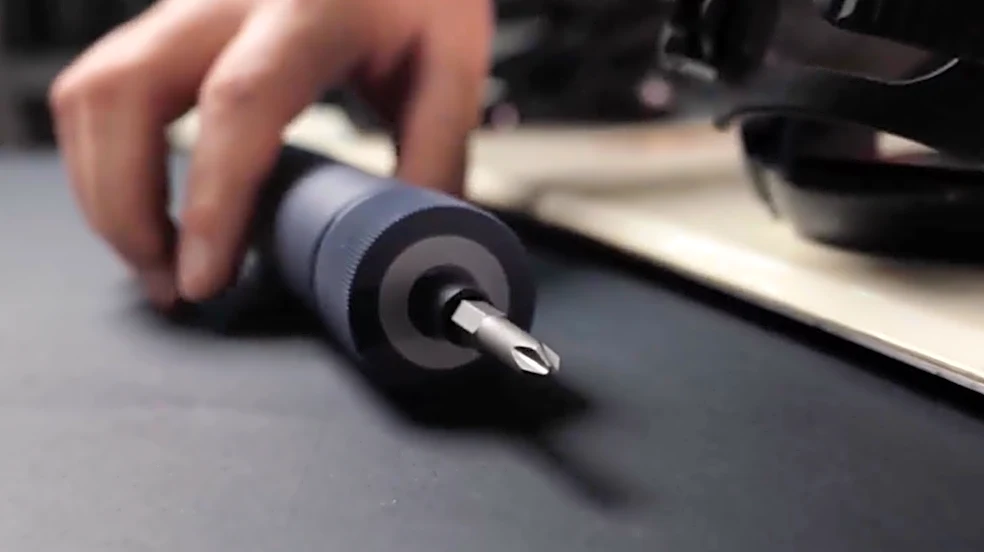
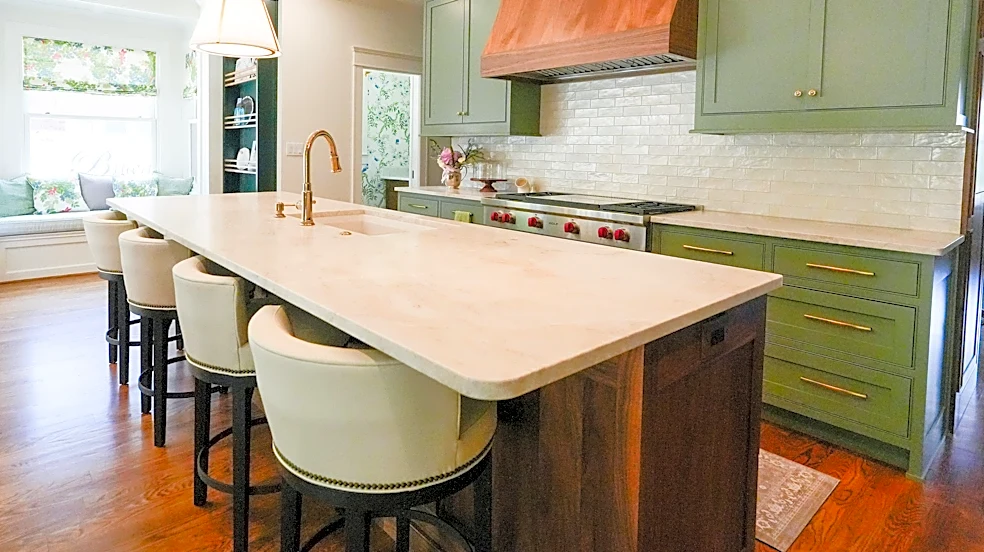
Many homeowners are opting for 'do-it-yourself' (DIY) home improvement projects to save money, enjoy hands-on work, and maintain control over their renovation processes. Simple DIY tasks include painting interior walls, installing decorative wall panels,
replacing cabinet handles, creating garden improvements, and updating room decorations. These projects are often chosen for their low-risk nature and the ability to be completed without advanced technical skills. While DIY offers significant cost savings by eliminating labor fees, it requires a considerable investment of time, patience, and a willingness to learn new skills. Homeowners are advised to assess their capabilities and the complexity of a project before starting, as mistakes in critical areas like electrical wiring can lead to serious safety issues. The trend highlights a desire among homeowners to personalize their living spaces while managing budgets effectively.
Why It's Important?
The growing interest in DIY home projects reflects a broader economic trend where consumers are seeking cost-effective solutions for home maintenance and upgrades. This shift impacts various sectors, including retail for home improvement supplies, tools, and educational content providers offering tutorials and guides. For homeowners, successful DIY projects can lead to increased property value and a greater sense of accomplishment and ownership over their living spaces. Conversely, the potential for mistakes and the underestimation of time and skill required can lead to additional costs or safety hazards, underscoring the importance of careful planning and realistic self-assessment. The DIY movement also fosters a community of shared knowledge and resources, as individuals often turn to online tutorials and forums for guidance, influencing how products are marketed and supported.
What's Next?
The DIY trend is expected to continue, driven by economic factors and the increasing availability of online resources and tools that empower homeowners. Retailers in the home improvement sector will likely continue to expand their offerings of DIY-friendly products, kits, and instructional materials. There may also be a rise in hybrid approaches, where homeowners tackle simpler tasks themselves while hiring professionals for more complex or high-risk elements like electrical or plumbing work. Educational platforms and content creators focusing on home improvement are also poised for growth, providing detailed guides and video tutorials. As more people engage in DIY, there could be an increased demand for workshops and community-based learning opportunities to help individuals develop necessary skills and confidence.
Beyond the Headlines
Beyond the immediate cost savings, the DIY movement taps into a deeper cultural value of self-reliance and creative expression. It allows individuals to imbue their homes with personal touches that mass-produced items cannot offer, fostering a unique sense of place and identity. This trend also raises questions about the balance between professional craftsmanship and amateur efforts, potentially influencing the perception of quality and durability in home renovations. Ethically, it highlights the importance of safety education and responsible DIY practices, especially when dealing with potentially hazardous materials or systems. The long-term implications could include a more engaged and knowledgeable homeowner base, but also a greater need for accessible, reliable information to prevent costly or dangerous mistakes.