






What's Happening?
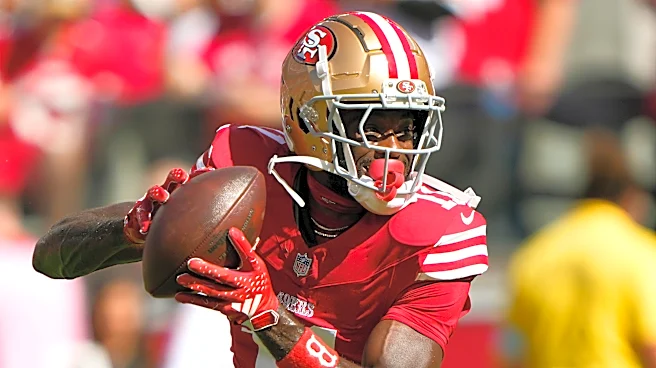
Former San Francisco 49ers player Donte Whitner has raised concerns about the circumstances surrounding the death of his former teammate, Aldon Smith. Smith was found unresponsive in a vehicle on June 13, and the initial report suggested natural causes.
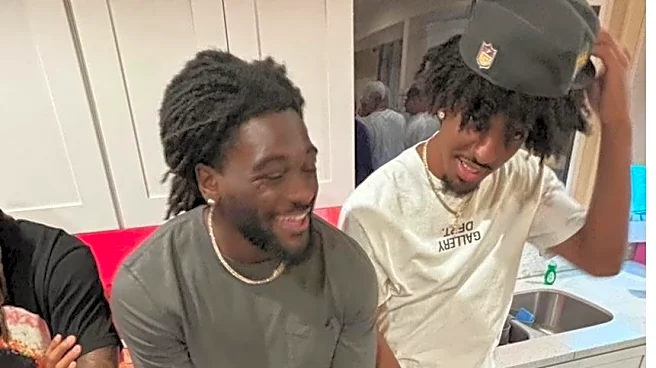
However, Whitner, through his YouTube channel, expressed skepticism about this narrative, citing disturbing images and videos he received from other former teammates. These materials allegedly show Smith in distressing conditions shortly before his death. Whitner's comments have prompted Smith's family to hire private investigators and lawyers to further probe the incident. The official account from Amir Shirazi, who was with Smith, claims that Smith died unexpectedly while Shirazi was inside his house. The toxicology report is still pending, and Whitner's statements have added a layer of complexity to the ongoing investigation.
Why It's Important?
The allegations of foul play in Aldon Smith's death could have significant implications for those involved and the broader community. If the investigation uncovers evidence supporting Whitner's claims, it could lead to legal actions against individuals present at the scene. This situation also highlights the potential for misinformation and the impact of social media in shaping public perception before official investigations conclude. For the NFL and its players, this incident underscores the importance of mental health and support systems for athletes, particularly those facing personal challenges. The outcome of this investigation could influence policies and practices within sports organizations regarding player welfare and post-career support.
What's Next?
As the investigation progresses, the release of the toxicology report will be a critical factor in determining the cause of Smith's death. The findings could either corroborate or contradict the initial reports and Whitner's allegations. Depending on the results, law enforcement may pursue further inquiries or charges. The NFL and the 49ers organization may also face pressure to address the situation publicly, especially if new evidence emerges. The case could prompt discussions about the responsibilities of sports organizations in supporting former players and ensuring their well-being.