




What's Happening?
Astranis Space Technologies, a company specializing in advanced high-orbit satellites, is actively seeking a PCB Librarian for its San Francisco Bay Area operations. This role is crucial for maintaining and managing the company's Altium components library,
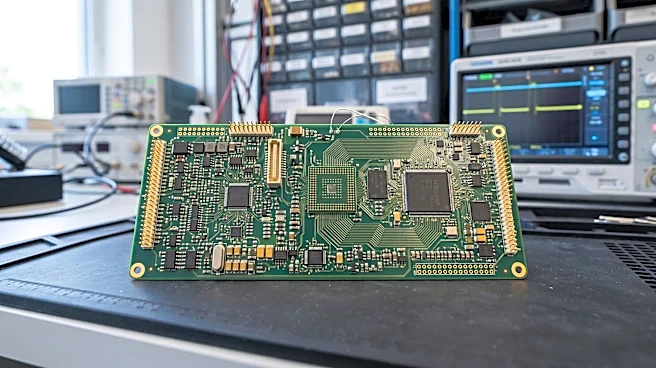
which is essential for the design and manufacturing of their satellites. The PCB Librarian will be responsible for creating schematic symbols and PCB component footprints according to manufacturer specifications and Astranis standards. They will also manage the component library, provide input on processes, and ensure an accurate and organized database. The position involves integrating the e-cad library with PLM tools using automated scripting and collaborating with design engineers, component engineers, and the supply chain. Astranis builds and operates satellites for dedicated, secure networks for large enterprises, sovereign governments, and the U.S. military, with five satellites currently in orbit and a backlog of over $1 billion in commercial contracts.
Why It's Important?
This hiring initiative by Astranis Space Technologies underscores the critical need for specialized technical talent in the rapidly expanding U.S. space technology sector. The role of a PCB Librarian, while seemingly niche, is fundamental to the precision and reliability required in satellite manufacturing. Accurate and well-managed component libraries are vital for ensuring the functionality and longevity of satellites, which in turn support critical communication infrastructure for government and commercial clients. The company's focus on providing secure networks for the U.S. military highlights the strategic importance of its operations for national security. The demand for such specialized roles reflects the broader growth in the U.S. aerospace and defense industries, where companies are investing heavily in talent to meet the increasing demand for advanced space-based solutions. This also indicates a robust job market for engineers and technical professionals with expertise in electronic design automation and product lifecycle management.
What's Next?
Astranis will continue its recruitment process to fill this specialized role, aiming to integrate the new PCB Librarian into its team to support ongoing satellite development and operations. The successful candidate will play a key part in streamlining the design and manufacturing workflows, which is crucial for the company to meet its commitments, including the launch of additional satellites and servicing its $1 billion commercial contract backlog. As Astranis expands its satellite fleet and client base, the efficiency and accuracy of its component library management will become even more critical. This hiring also signals a continued investment in internal capabilities to support future growth and innovation in the competitive space technology market. The company's growth trajectory suggests a sustained demand for skilled professionals in various engineering and technical disciplines.
Beyond the Headlines
The recruitment for a PCB Librarian at Astranis Space Technologies highlights a broader trend in the U.S. space industry: the increasing complexity and sophistication of satellite technology demand highly specialized technical roles. Beyond the immediate need for component management, this position contributes to the overall integrity and security of space-based assets, which are becoming indispensable for both commercial and national security applications. The emphasis on secure networks for sovereign governments and the U.S. military points to the dual-use nature of advanced space technology, where commercial innovation directly supports strategic national interests. This also reflects the ongoing challenge for U.S. companies to attract and retain top talent in highly specialized fields, especially given the stringent U.S. Government space technology export regulations that require applicants to be U.S. citizens or lawful permanent residents. The investment in such roles is a testament to the long-term commitment to maintaining U.S. leadership in space.