




What's Happening?
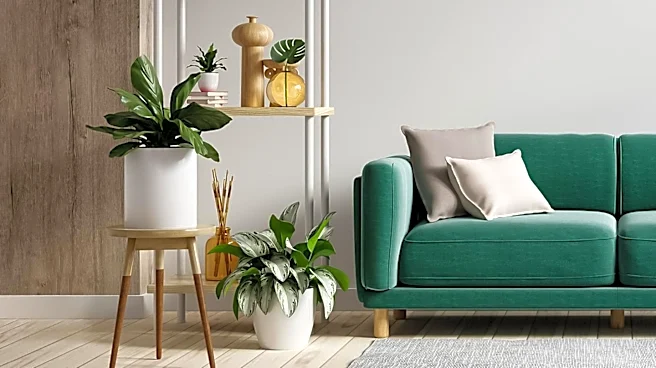
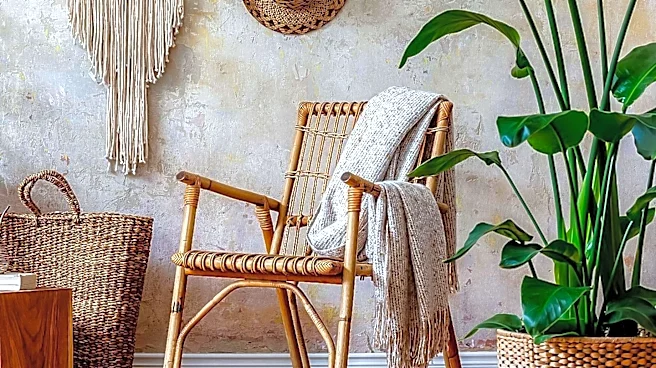
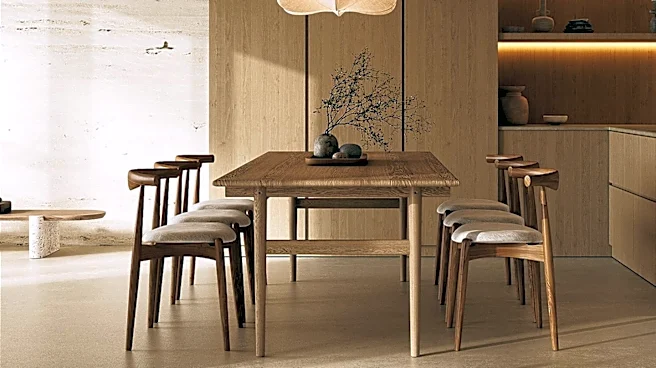
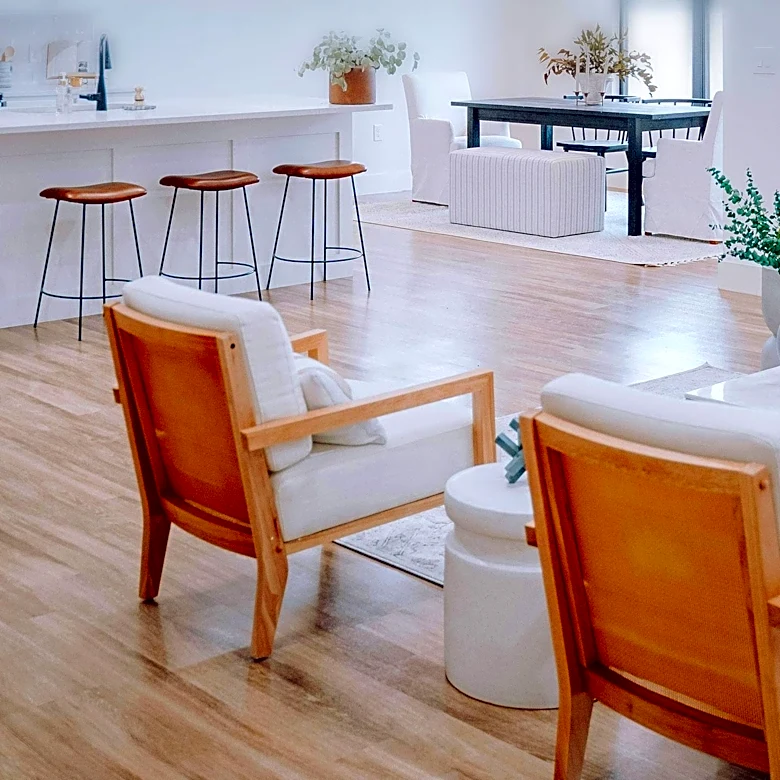
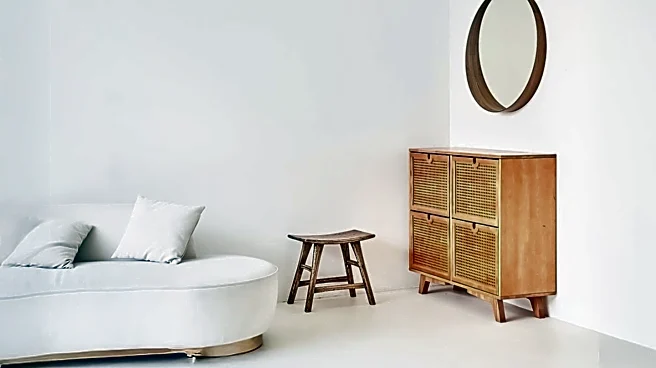
Japandi, a design aesthetic combining Japanese and Scandinavian elements, prioritizes simplicity, calm, and craftsmanship, particularly in its approach to lighting. This style utilizes a color palette of warm whites, oatmeal, sand, greige, and clay, often
with charcoal or black as a contrasting element. Key features include low furniture, pale timber, linen, and handmade items. The lighting in Japandi spaces is characterized by softness and diffusion, frequently achieved through paper, pleated, or fabric shades. Light sources are typically hidden from direct view and positioned low, with some areas of the room intentionally left in shadow. This philosophy draws inspiration from historical designs such as Isamu Noguchi's Akari lanterns, Poul Henningsen's glare-free PH lamp, and Le Klint's pleated paper shades, which all share the common goal of providing comfortable, non-harsh illumination. The use of paper, for instance, transforms a small, intense light point into a larger, softer glow, enhancing comfort and showcasing the texture of natural materials.
Why It's Important?
The growing popularity of the Japandi design style reflects a broader societal trend towards creating more serene and balanced living environments. In an increasingly fast-paced and often overstimulating world, the emphasis on calm, simplicity, and natural elements offers a counterpoint that can significantly impact well-being. For U.S. consumers, this means a shift in interior design preferences that could influence the market for furniture, lighting fixtures, and home decor. Manufacturers and retailers may see increased demand for products that align with Japandi aesthetics, such as low-profile furniture, natural wood finishes, linen textiles, and diffused lighting solutions. The focus on craftsmanship and natural materials also supports sustainable and artisanal production, potentially benefiting smaller businesses and local craftspeople. Furthermore, the design's ability to make small rooms feel larger and more intentional, as well as its suitability for spaces with limited natural light like basement offices, offers practical benefits for urban dwellers and those seeking to optimize their living or working areas.
What's Next?
As the Japandi style continues to gain traction, interior designers and homeowners are likely to further explore its principles, particularly in lighting and material selection. Expect to see more innovative applications of paper, fabric, and natural wood in lighting fixtures, with a continued focus on glare-free and diffused illumination. The market may also see an increase in furniture designed with lower profiles and minimalist forms, catering to the Japandi aesthetic. Consumers will likely seek out handmade and artisanal pieces that emphasize quality and natural textures. Educational resources and design guides will continue to emerge, offering practical advice on implementing Japandi elements, such as selecting appropriate color temperatures for lighting (warm white, around 2700K) and strategically placing light sources to create depth and atmosphere. The integration of smart home technology that allows for dimming and consistent color temperature across various light sources will also become more prevalent to achieve the desired ambiance.
Beyond the Headlines
The Japandi design philosophy extends beyond mere aesthetics, touching upon deeper cultural and psychological implications. Its blend of Japanese and Scandinavian principles highlights a shared human desire for harmony, functionality, and a connection to nature. The emphasis on soft, indirect lighting, for instance, can be seen as a rejection of harsh, artificial illumination, promoting a more natural circadian rhythm and reducing visual strain. This approach to lighting, which intentionally leaves some areas in shadow, draws from concepts like the Japanese aesthetic of 'In Praise of Shadows,' suggesting that shadows are not merely an absence of light but an integral part of beauty and atmosphere. This cultural fusion encourages a mindful approach to living spaces, where every element is chosen for its contribution to a balanced and soulful environment. The style's focus on durability and timelessness also subtly challenges the consumerist culture of rapid trends, advocating for investment in well-crafted pieces that age gracefully and contribute to a more sustainable lifestyle.