







What's Happening?
Aaron Sorkin's new film, 'The Social Reckoning,' dramatizes Facebook's decision in the late 2010s to prioritize content that would be shared over content that was liked. This shift, according to the film, was made to address declining user engagement
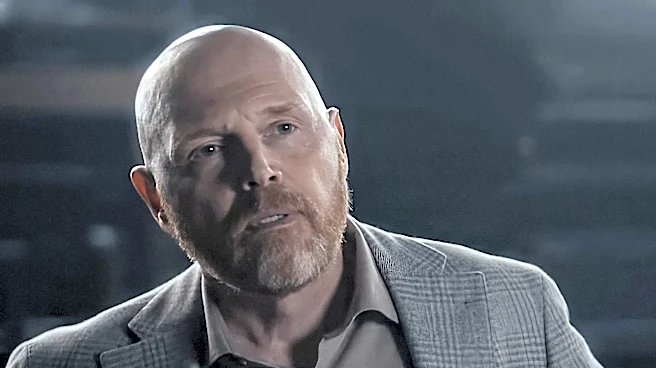
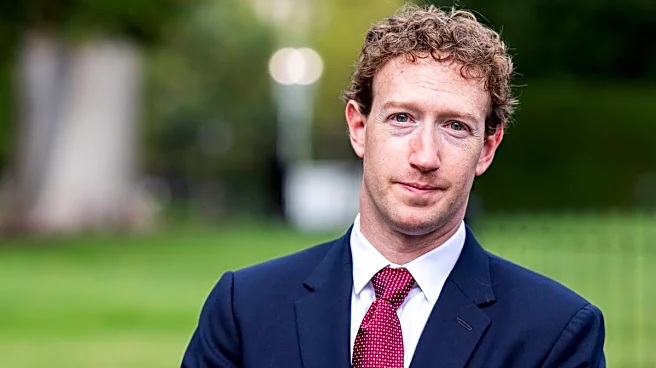
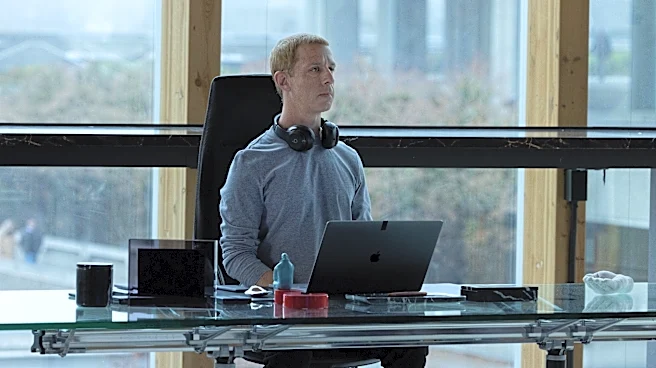
and a struggling bottom line, as younger users migrated to platforms like TikTok and Snapchat. The film argues that this change, while seemingly minor, had significant consequences, leading to the proliferation of inflammatory and misleading content. It also highlights the story of whistleblower Frances Haugen, portrayed by Mikey Madison, who discovered that the algorithm was pushing users towards extremist groups and misinformation. Haugen's attempts to raise these concerns internally were reportedly ignored, leading her to share internal documents with a journalist. The movie also depicts Mark Zuckerberg, played by Jeremy Strong, preparing for congressional hearings in 2021 regarding Facebook's role in societal issues.
Why It's Important?
The film's focus on Facebook's algorithmic changes and their societal impact is important because it brings to the forefront critical discussions about the responsibility of social media platforms. By dramatizing the shift from 'likes' to 'shares' as a core driver of content visibility, 'The Social Reckoning' underscores how design choices within these platforms can have profound real-world consequences, influencing public discourse, mental health, and even political events. The portrayal of Frances Haugen's whistleblowing efforts highlights the ethical dilemmas faced by tech employees and the challenges of holding powerful corporations accountable. The film's narrative suggests that Facebook, and its sister companies, are actively contributing to a 'societal sickness' through deliberate choices, raising questions about the balance between corporate growth and public welfare. This narrative can influence public perception, potentially fueling calls for greater regulation and transparency in the tech industry.
What's Next?
The release of 'The Social Reckoning' is likely to reignite public and political debate surrounding social media regulation and the ethical responsibilities of tech companies. The film's dramatization of Frances Haugen's disclosures and Mark Zuckerberg's congressional preparations could prompt renewed scrutiny from lawmakers, potentially leading to further hearings or legislative proposals aimed at addressing algorithmic transparency, content moderation, and user safety. Major stakeholders, including tech industry leaders, civil society groups, and policymakers, will likely react to the film's portrayal of events, with some defending current practices and others advocating for significant reforms. The film's narrative may also encourage more whistleblowers to come forward, believing their stories can contribute to meaningful change. Furthermore, the movie's impact on public opinion could influence user behavior and pressure social media platforms to re-evaluate their algorithms and content policies.
Beyond the Headlines
Beyond the immediate narrative of Facebook's algorithmic shift, 'The Social Reckoning' delves into deeper implications concerning the nature of truth, the power of digital platforms, and the erosion of shared societal understanding. The film suggests that by prioritizing 'shareability,' platforms inadvertently amplify content that is designed to provoke strong emotional responses, often at the expense of accuracy or constructive dialogue. This raises ethical questions about the role of technology in shaping human behavior and the potential for algorithms to manipulate public sentiment. The movie also touches on the cultural dimension of how information is consumed and disseminated in the digital age, highlighting a long-term shift where the most inflammatory content often gains the most traction. This could lead to a more fragmented and polarized society, where individuals are increasingly exposed to echo chambers of information that reinforce existing biases, making it harder to achieve consensus on critical issues.