






What's Happening?
A securities class action lawsuit has been filed against Chinese technology giant Alibaba in the Southern District of New York. The lawsuit alleges that Alibaba's public statements were misleading because the company failed to disclose its business relationship
with Alice Huang and her company, Megaspeed. Alice Huang is suspected of being a Chinese spy and of aiding China in circumventing U.S. export controls on high-end Nvidia chips. The complaint claims that this undisclosed relationship materially raised the likelihood of reputational damage to Alibaba and increased the risk that the company would be unable to purchase products subject to U.S. export control restrictions. The lawsuit seeks to recover damages for investors who purchased Alibaba's securities between May 23, 2024, and November 11, 2026.
Why It's Important?
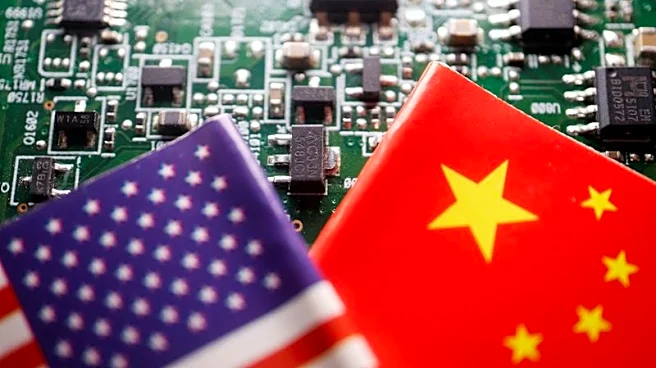
This lawsuit is significant as it extends the repercussions of U.S. export control violations beyond the directly implicated chip manufacturers like Nvidia to other major technology companies. It highlights the increasing scrutiny on the business relationships of companies with ties to China, particularly concerning sensitive technologies. The case underscores the growing importance of national security issues in corporate governance, suggesting that boards of directors may face liability under the Caremark doctrine for failing to monitor risks related to U.S. national security. This development could prompt U.S. and international companies with Chinese connections to re-evaluate their supply chains, partnerships, and disclosure practices to mitigate similar legal and reputational risks.
What's Next?
The lawsuit against Alibaba is likely to proceed with further legal proceedings, potentially including an amended complaint that incorporates more detailed allegations, as suggested by recent news articles not initially referenced in the filing. The outcome will depend on the evidence presented regarding Alibaba's knowledge and involvement in the alleged circumvention of export controls. This case could set a precedent for how U.S. courts view corporate responsibility in adhering to national security-driven export regulations, especially in the context of U.S.-China geopolitical tensions. It may also encourage more shareholder activism and litigation against companies perceived to have inadequate oversight of geopolitical risks.
Beyond the Headlines
This lawsuit is part of a broader trend where geopolitical issues are increasingly translating into D&O (Directors and Officers) risk. The case illustrates the complex interplay between national security, international trade, and corporate legal obligations. It raises ethical questions about the due diligence companies must perform on their partners and the extent to which they are responsible for the actions of third parties, especially when those actions involve national security concerns. The long-term implication is a potential shift in corporate governance, where national security considerations become a 'mission-critical' issue for boards, influencing investment decisions, partnership formations, and disclosure strategies across various industries, not just technology.