







What's Happening?
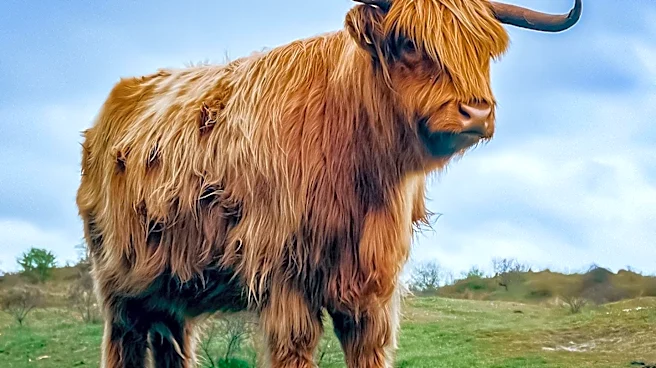
Highland cows, including mini Highland varieties, are widely recognized for their friendly, docile, and curious temperaments, making them one of the calmest cattle breeds globally. Owners and enthusiasts, such as Katie Van Slyke, note that these animals
often enjoy being scratched and brushed, and will approach fences to investigate visitors. This gentle reputation stems from their origins in the rugged Scottish Highlands, where a calm disposition was essential for survival. The breed's inherent docility means they are less prone to being flighty or reactive compared to other beef breeds. Their curiosity often leads them to investigate humans rather than retreat. This characteristic has contributed to the growing popularity of Highland farm tours and 'coo experiences' in both Scotland and the United States. While generally friendly, individual personalities can vary, and the level of friendliness is significantly influenced by how they are raised and handled.
Why It's Important?
The increasing popularity of Highland cows in the U.S., particularly for farm tours and personal herds, highlights a growing interest in docile and interactive livestock. This trend impacts agricultural tourism and small-scale farming, offering new revenue streams for farmers who can capitalize on the breed's friendly nature. For individuals seeking livestock that are manageable and engaging, Highland cows present an attractive option, potentially expanding the demographic of cattle owners beyond traditional large-scale ranchers. The emphasis on consistent handling and early socialization to foster friendliness underscores the importance of animal welfare practices in achieving desired temperamental traits. The distinction between mini and standard Highlands, where minis are often perceived as friendlier due to their easier manageability and increased human interaction, could influence breeding and purchasing decisions within the U.S. livestock market, favoring smaller, more accessible breeds for hobby farms and educational purposes.
What's Next?
As the appeal of Highland cows continues to grow, it is likely that more U.S. farms will offer structured 'coo experiences' and opportunities for public interaction. This could lead to increased demand for well-socialized animals and a greater focus on breeding for temperament. Educational initiatives on safe interaction with large livestock, particularly concerning horns and protective mothers, will become increasingly important to ensure public safety. Breeders may also see a continued emphasis on mini Highland varieties due to their perceived ease of handling and socialization. The ongoing sharing of experiences by owners like Katie Van Slyke through social media platforms will likely further popularize the breed, potentially driving more individuals to consider owning or interacting with Highland cows, thereby expanding the market for related products and services.
Beyond the Headlines
The phenomenon of Highland cows' popularity extends beyond simple agricultural interest, touching upon broader societal trends. Their 'gentle giant' image resonates with a desire for connection with nature and animals, offering a therapeutic or educational experience for many. This trend reflects a shift towards more experiential tourism and a greater appreciation for animal personalities. Ethically, the focus on consistent, gentle handling and early socialization highlights evolving standards in animal husbandry, emphasizing the psychological well-being of livestock. The ability of these animals to recognize faces and voices suggests a level of cognitive ability that challenges traditional perceptions of farm animals, fostering a deeper human-animal bond. This cultural shift could influence how other livestock breeds are perceived and managed, potentially leading to more humane and interactive approaches across the agricultural sector.