


What's Happening?
Darren Aronofsky's production company, Protozoa, in collaboration with Memory, is adapting Chris Miller’s book “Chip War: The Fight for the World’s Most Critical Technology” into a feature documentary. The film will be directed by Theo Anthony, known
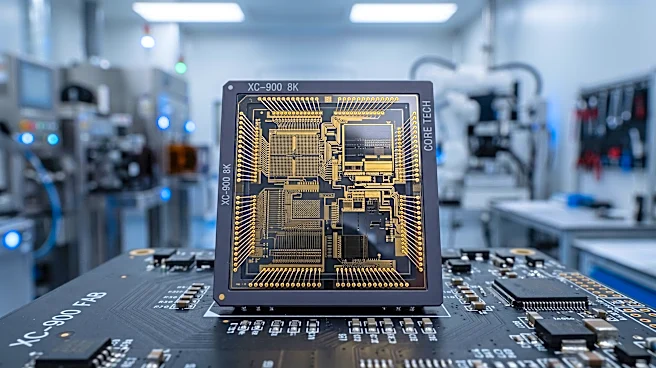
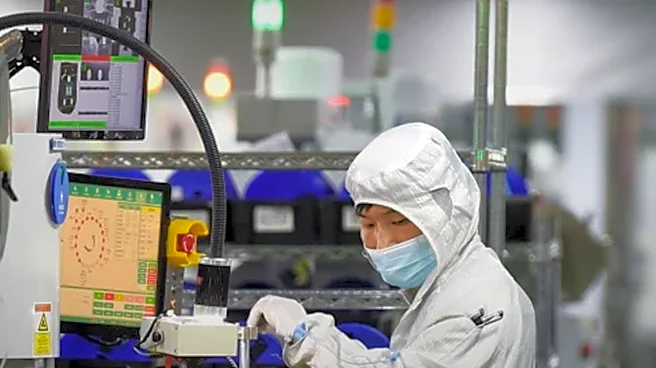
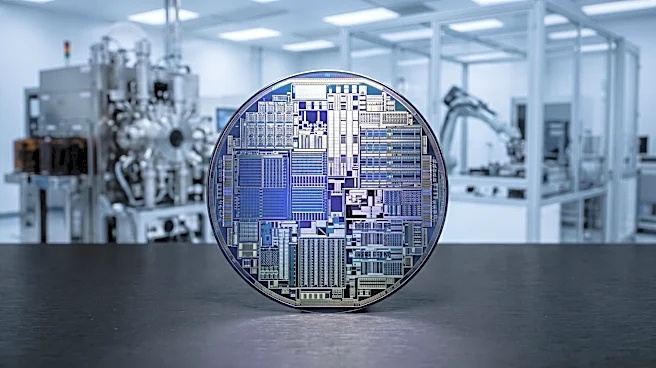
for his documentary “All Light, Everywhere.” The documentary aims to delve into the semiconductor industry, examining the intricate and often unseen supply chain that underpins modern technology, including phones, weapons, and AI models. A central theme will be the escalating competition between the United States and China for control over this critical technology. The project highlights the urgency of this race amidst political instability, corporate controversies, and a surge in AI-related initial public offerings.
Why It's Important?
This documentary is significant because it will shed light on a foundational industry that is crucial to global economic and national security. The semiconductor industry is at the heart of technological advancement, and the struggle for its control between the U.S. and China has profound implications for innovation, economic power, and geopolitical stability. For the U.S., maintaining a competitive edge in semiconductor manufacturing and design is vital for its technological leadership and defense capabilities. The film could raise public awareness about the complexities of this supply chain and the potential vulnerabilities it presents, influencing policy discussions and investment strategies in the tech sector. The narrative of a 'chip war' underscores the high stakes involved, affecting everything from consumer electronics to advanced military systems.
What's Next?
The documentary is currently in production, with Theo Anthony at the helm. While a release date has not been specified, the film's completion and distribution will likely draw considerable attention given the timely and critical nature of its subject matter. CAA Media Finance, which arranged the financing, is also representing the worldwide distribution rights, suggesting a broad release strategy. The film's exploration of the U.S.-China rivalry in semiconductors could further fuel ongoing debates about trade policies, technological independence, and national security, potentially influencing future legislative actions or corporate strategies aimed at securing domestic semiconductor production and supply chains.
Beyond the Headlines
The 'chip war' extends beyond mere economic competition; it touches upon fundamental questions of technological sovereignty and the future of global power dynamics. The documentary could highlight ethical considerations surrounding the use of advanced technology, particularly in AI and weaponry, and the responsibilities of nations and corporations in controlling such critical resources. It may also expose the human element within this highly technical industry, from the engineers and factory workers to the geopolitical strategists. The film has the potential to shape public perception of the semiconductor industry, moving it from an obscure technical field to a central arena of international competition and cooperation, with long-term implications for global technological development and economic interdependence.