





What's Happening?
Venture capitalist and investor Kevin O'Leary is re-evaluating his investment strategy, moving away from direct artificial intelligence (AI) technology stocks to concentrate on energy infrastructure, specifically electricity production and uranium, for
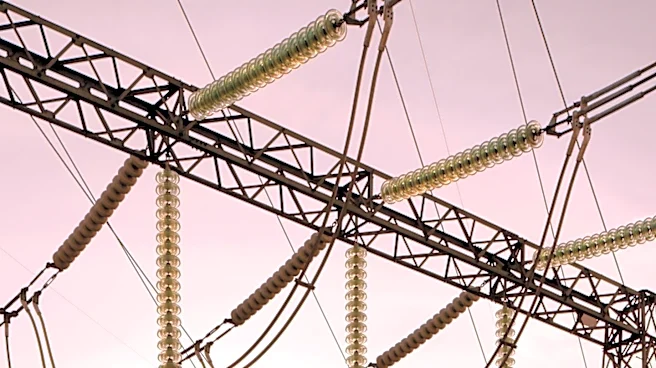
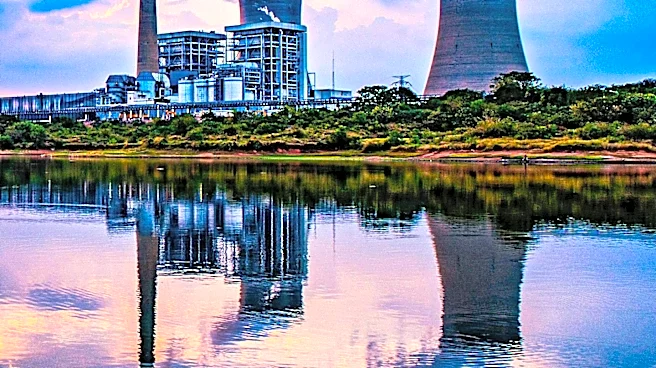
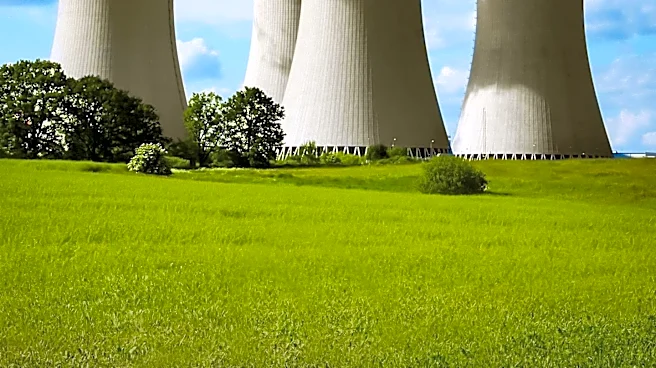
the next 36 months. O'Leary, known for his 'picks and shovels' investment approach, believes that the increasing electricity demand driven by AI data centers necessitates a focus on power generation rather than the AI tech companies themselves. He highlighted a $3 billion deal where Alphabet Inc.'s Google secured a power contract from a Finnish utility, emphasizing that tech giants are prioritizing long-term power leases as independent assets. O'Leary stated that nuclear power, particularly small modular reactors, will be crucial in meeting the energy requirements of computing infrastructure, as these reactors rely on uranium pellets for operation. He identified Canada, especially Saskatchewan, as having a significant advantage in uranium supply and is focusing his power investments on Nordic countries and Alberta, Canada, due to their low electricity costs.
Why It's Important?
This shift in investment strategy by a prominent investor like Kevin O'Leary underscores a critical emerging trend in the U.S. economy and technology sector: the growing recognition that the AI boom is fundamentally an energy boom. As AI data centers proliferate, their immense power consumption is creating unprecedented demand for electricity, making reliable and cost-effective energy generation a bottleneck for technological advancement. O'Leary's focus on uranium and nuclear power highlights a potential resurgence of nuclear energy as a key component of the U.S. energy mix, driven by its capacity for clean, consistent, and high-volume electricity production. This could lead to significant investments in nuclear technology and infrastructure, impacting energy policy, job creation in the energy sector, and the strategic importance of uranium-producing regions. Furthermore, it signals a broader understanding that the 'picks and shovels' of the AI revolution are not just the chips and software, but the foundational energy resources that power them, potentially redirecting capital flows from pure tech plays to energy infrastructure companies.
What's Next?
The investment community may see a growing trend of capital reallocation towards energy infrastructure and raw materials like uranium, as investors follow O'Leary's lead in anticipating the long-term energy demands of AI. This could stimulate increased exploration and production of uranium, particularly in regions with established reserves like Saskatchewan, Canada. Furthermore, there could be accelerated development and deployment of small modular reactors (SMRs) in the U.S. and globally, as nuclear power gains traction as a viable solution for large-scale, clean energy generation. This would necessitate policy support, regulatory streamlining, and significant private and public investment in nuclear technology. Tech companies, in turn, are likely to continue their efforts to secure long-term power contracts and invest directly in energy solutions, potentially leading to more partnerships between tech giants and energy providers. The focus on energy costs per kilowatt-hour will also likely drive innovation in energy efficiency for data centers and influence the geographical placement of new AI infrastructure, favoring regions with abundant and affordable electricity.
Beyond the Headlines
O'Leary's investment thesis points to a deeper, systemic challenge posed by the rapid expansion of AI: the environmental and infrastructural strain of its energy demands. While AI promises transformative advancements, its carbon footprint, if powered by fossil fuels, could be substantial. The emphasis on nuclear power, particularly SMRs, suggests a potential pathway towards a more sustainable AI future, offering a low-carbon energy source that can meet the scale of demand. However, this also brings to the forefront long-standing debates about nuclear waste management, safety, and public perception. The 'energy trade' becoming paramount over the 'tech trade' could also reshape geopolitical dynamics, as countries with significant energy resources, especially uranium, gain increased strategic importance. This shift could also spur innovation in energy storage solutions and grid modernization to ensure the stability and reliability of power supply for an increasingly digitized and AI-driven world, highlighting the intricate link between technological progress and foundational infrastructure.