







What's Happening?
Clean eating is an informal dietary approach emphasizing whole or minimally processed foods such as vegetables, fruits, whole grains, beans, nuts, fish, and lean proteins, while reducing heavily processed products. There is no official definition, making
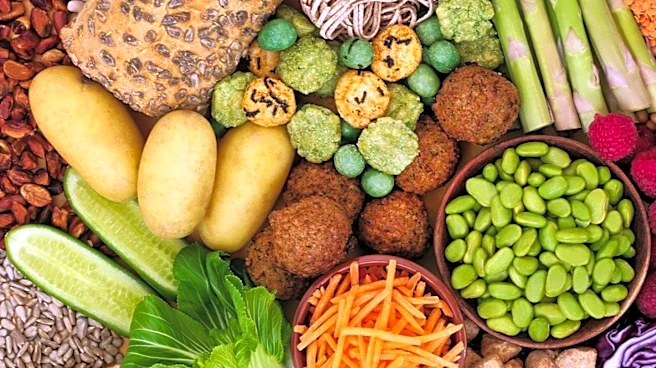
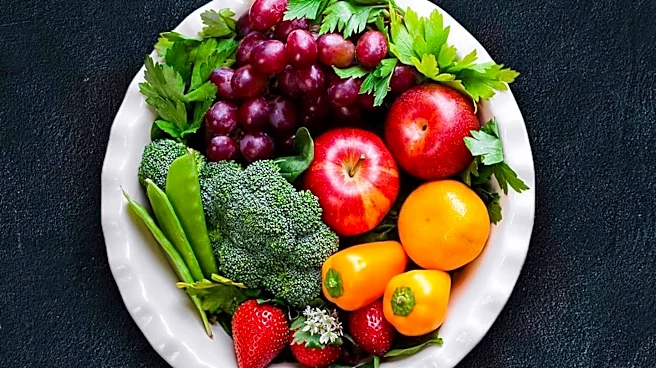
it a flexible guide rather than a strict set of rules. This approach encourages cooking with recognizable ingredients and aims to reduce reliance on processed snacks, sweets, and drinks. It aligns with mainstream nutritional advice, such as the Dietary Guidelines for Americans, which promote nutrient-dense foods and limit added sugars, saturated fat, and sodium. Common elements include plenty of vegetables and fruits, whole grains, beans, lentils, nuts, seeds, plant oils, and simple proteins like eggs, fish, and tofu. It also suggests water, plain milk, tea, and coffee as everyday beverages, while limiting sugary drinks, refined snacks, and processed meats.
Why It's Important?
The emphasis on whole and minimally processed foods in clean eating can lead to increased intake of fiber, potassium, vitamins, and beneficial plant compounds, while reducing added sugar and sodium. These dietary shifts are associated with improved heart health, according to health organizations. Many individuals also report feeling more satisfied after meals built on whole foods due to the longer digestion time of fiber and protein. This approach can help individuals make more informed food choices by encouraging them to examine ingredient lists and favor shorter lists with recognizable components. It promotes a practical shift towards healthier eating habits that can be integrated into daily life, such as incorporating whole foods into one meal a day or keeping readily available healthy ingredients like frozen vegetables and canned beans.
What's Next?
The concept of clean eating is likely to continue evolving as an informal guide rather than a rigid diet. Future discussions may focus on refining its application to avoid potential pitfalls like guilt or an all-or-nothing mindset, which can sometimes lead to unhealthy fixations on perfect eating, known as orthorexia. The ongoing conversation will likely emphasize the importance of flexibility, allowing for treats and family dishes without guilt, and adapting the approach to individual budgets, cultures, and lifestyles. The focus will remain on adding beneficial foods rather than strictly banning others, promoting a balanced and sustainable approach to nutrition.
Beyond the Headlines
While beneficial, the term 'clean eating' can carry negative connotations, potentially leading to guilt or anxiety by categorizing foods as 'clean' or 'dirty.' This binary thinking can foster an unhealthy relationship with food for some individuals, potentially contributing to disordered eating patterns like orthorexia. It's crucial to recognize that food is not a moral test, and occasional indulgences do not negate overall healthy habits. The deeper implication is the need for a balanced perspective on nutrition that prioritizes overall well-being and enjoyment of food, rather than strict adherence to restrictive rules. Gentle approaches like mindful eating, which focus on hunger and fullness cues and the sensory experience of food, can offer a healthier alternative to rigid 'clean eating' interpretations.