




What's Happening?
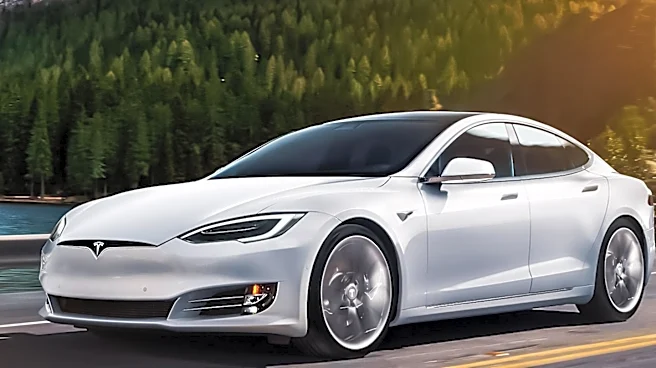
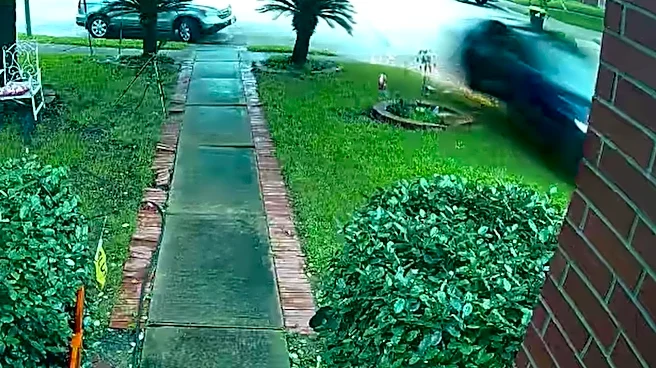
The National Transportation Safety Board (NTSB) has concluded that a fatal crash involving a Tesla Model 3 in Katy, Texas, was due to driver error rather than the vehicle's self-driving software. The incident, which resulted in the death of a 76-year-old
woman, occurred when the driver reportedly pressed the accelerator to full speed, overriding the self-driving feature. This finding comes amid ongoing scrutiny of Tesla's self-driving technology, which has been involved in multiple investigations by the National Highway Traffic Safety Administration (NHTSA) due to safety concerns.
Why It's Important?
This investigation highlights the complexities and challenges associated with autonomous vehicle technology and its integration into everyday use. The NTSB's findings may influence public perception and regulatory approaches to self-driving cars, particularly regarding driver responsibility and software reliability. For Tesla, this outcome could mitigate some of the negative attention surrounding its self-driving capabilities, although broader concerns about the technology's safety and regulatory compliance remain. The case underscores the importance of clear communication and education for drivers using advanced driver-assistance systems.
What's Next?
Tesla may continue to face regulatory scrutiny as the NHTSA's separate investigation into its self-driving technology progresses. The company might also need to enhance its driver education programs to ensure users understand the limitations and responsibilities associated with its self-driving features. As the automotive industry moves towards greater automation, regulatory bodies may develop stricter guidelines and standards to ensure safety and accountability.