


What's Happening?
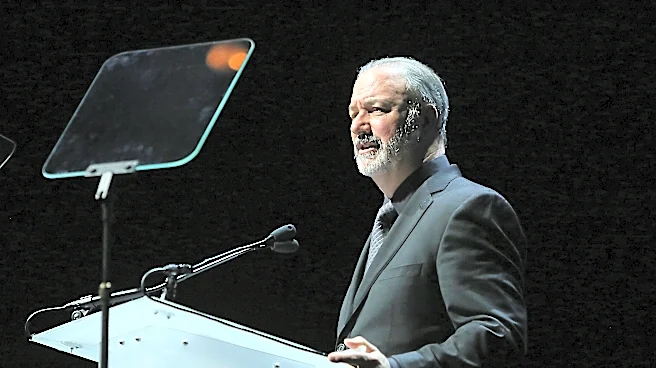
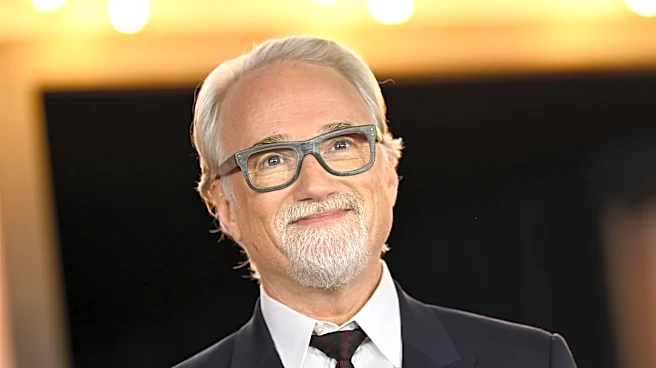
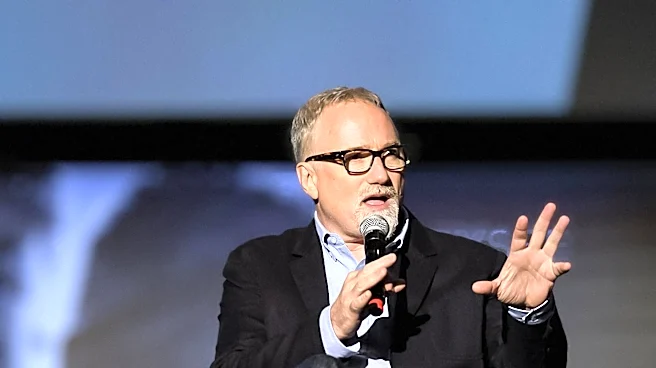
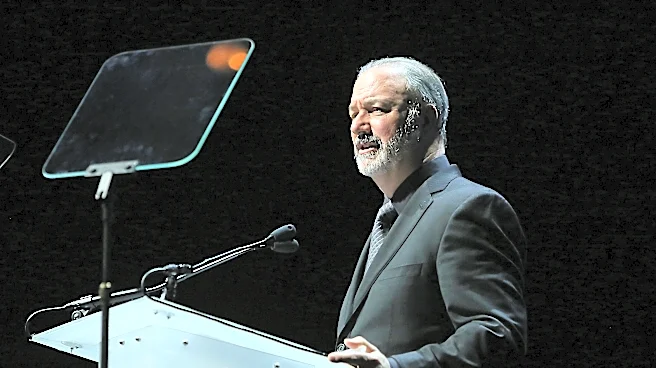
Acclaimed director David Fincher has indicated that his latest film, 'The Further Mis-Adventures of Cliff Booth,' could potentially be his last. Speaking on The Ringer’s The Big Picture podcast, Fincher, 64, cited changing priorities and a diminishing
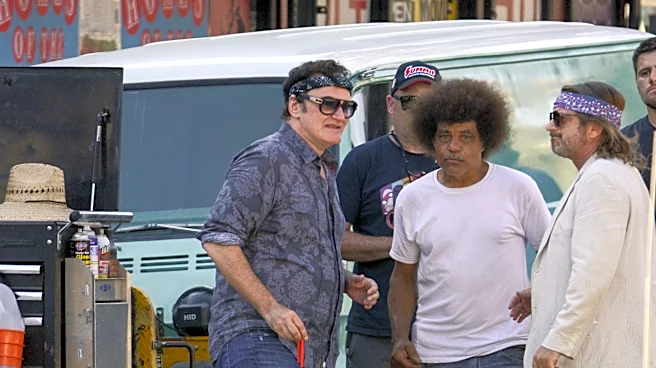
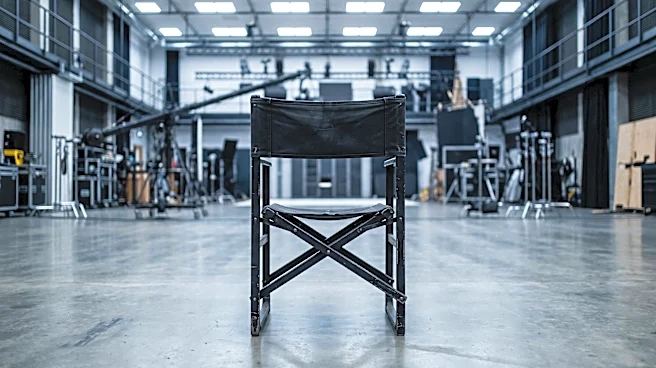
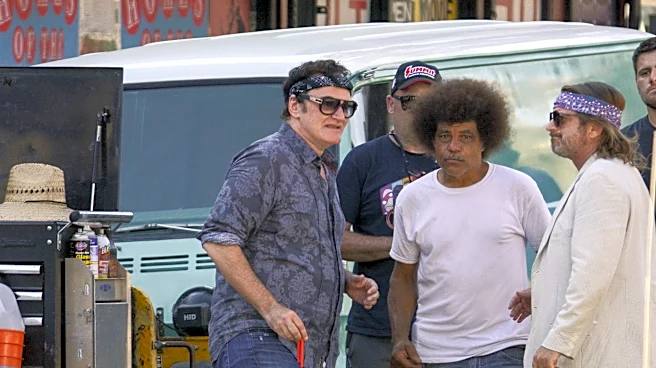
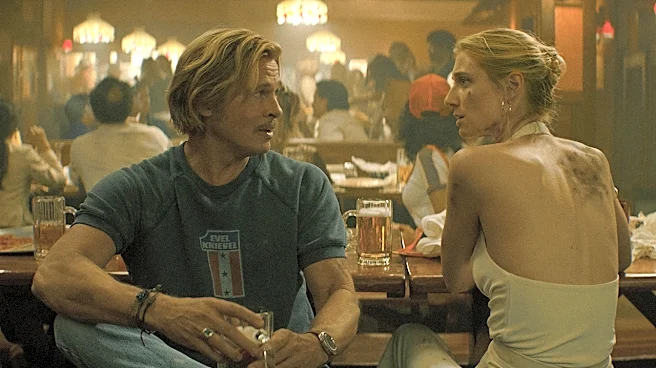
patience for the demanding nature of filmmaking. He expressed dissatisfaction with the 12-hour shooting days required for 'Cliff Booth,' stating a preference for a 10-hour workday. Fincher, who has been directing since age 20, also criticized the film industry's 'inherently wasteful' processes and the 'industrialization' of cinema, advocating for more streamlined and intimate storytelling approaches. 'The Further Mis-Adventures of Cliff Booth,' written by Quentin Tarantino and starring Brad Pitt, is a sequel to Tarantino's 2019 film 'Once Upon a Time… in Hollywood' and is currently in theaters, with a Netflix debut scheduled for December 23, 2026.
Why It's Important?
David Fincher's potential retirement marks a significant moment for the U.S. film industry, as he is a highly influential director known for his distinctive style and critical success. His comments reflect a growing sentiment among some veteran filmmakers regarding the grueling demands of modern film production, particularly the long hours and perceived inefficiencies. If Fincher were to step away, it could prompt a broader discussion within Hollywood about sustainable working conditions, the balance between artistic integrity and commercial pressures, and the overall future of filmmaking practices. His critique of the 'industrialization' of cinema also highlights a tension between traditional artistic approaches and the evolving, often more corporate, nature of film production. This could influence how studios and production companies approach project development and crew management, potentially leading to shifts in industry standards and practices.
What's Next?
While Fincher has not formally announced his retirement, his statements suggest a strong possibility of stepping back from directing after 'The Further Mis-Adventures of Cliff Booth.' The film's performance in theaters and on Netflix, coupled with industry reactions to his comments, may further shape his decision. His remarks could also spark a wider conversation among filmmakers, unions, and studios about improving working conditions and efficiency in Hollywood. It remains to be seen if his call for a more streamlined and less wasteful approach to moviemaking will gain traction and lead to tangible changes in production practices across the industry. The release of 'The Further Mis-Adventures of Cliff Booth' on Netflix in December will be a key event, marking a potential capstone to a celebrated career.
Beyond the Headlines
Fincher's contemplation of retirement due to the demanding nature of filmmaking points to a deeper, systemic issue within the entertainment industry: the sustainability of creative careers under intense production schedules. His critique of the 'industrialization' of cinema and its 'wasteful' practices suggests a fundamental disconnect between the artistic process and the commercial imperatives that often drive large-scale productions. This situation could prompt a re-evaluation of the creative ecosystem, encouraging a shift towards more artist-friendly models that prioritize well-being and creative freedom over relentless output. It also highlights the generational divide in filmmaking, where seasoned directors like Fincher may find themselves increasingly at odds with the fast-paced, content-driven demands of streaming platforms and global markets. This could lead to a broader cultural discussion about the value of craft versus volume in artistic endeavors.