








What's Happening?
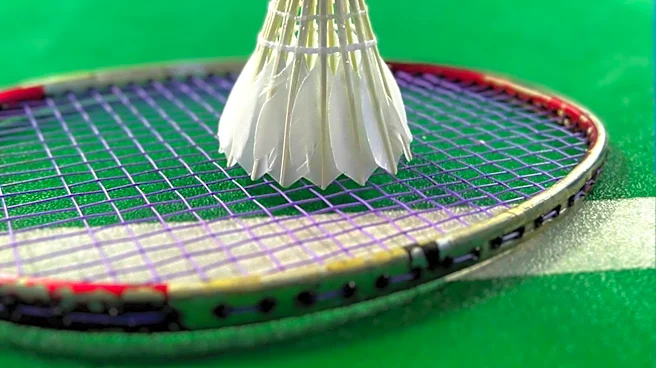
The Badminton Association of India (BAI) is set to introduce a new 15x3 scoring system at the Yonex-Sunrise All India Senior Ranking Badminton Tournament in Ernakulam, scheduled from July 7-14. This change aligns with a mandate from the Badminton World
Federation to make matches shorter and more intense. The new system will be applied across all levels of Indian domestic badminton, including Zonal Championships and National Championships, from Under-11 to Senior and Masters categories. The 15x3 format involves playing games to 15 points instead of the traditional 21, with a two-point lead rule applying from 14-all and a cap at 21 points. The mid-game interval will now occur at 8 points, with a change of ends in the third game and a 60-second rest. The BAI aims to ensure players, coaches, and officials are well-prepared for the international implementation of this system in January 2027.
Why It's Important?
The introduction of the 15x3 scoring system is significant as it represents a strategic move by the BAI to align with global standards and enhance the competitiveness of Indian badminton players. By adopting this system ahead of its international implementation, Indian players will have the opportunity to adapt to the new format, potentially giving them a competitive edge in international competitions. This change is expected to impact the tactical and physical demands of the game, requiring players to adjust their strategies and training regimens. The BAI's proactive approach underscores India's commitment to maintaining its status as a leading force in global badminton, ensuring that its athletes are not only prepared but also excel in the new competitive landscape.
What's Next?
As the new scoring system is rolled out, players, coaches, and officials will need to adapt to the changes in gameplay dynamics. The BAI will likely monitor the implementation closely to address any challenges that arise and provide necessary support to stakeholders. The success of this transition could influence other countries to adopt similar measures, potentially leading to a more uniform global standard in badminton. Additionally, the BAI may conduct workshops and training sessions to facilitate a smooth transition for all involved. The broader badminton community will be watching closely to see how these changes impact the sport's popularity and the performance of Indian players on the international stage.