





What's Happening?
The concept of a 'staycation' has gained traction in the U.S., primarily driven by economic constraints rather than a voluntary trend. Initially popularized during the COVID-19 pandemic when travel restrictions were in place, staycations have now become
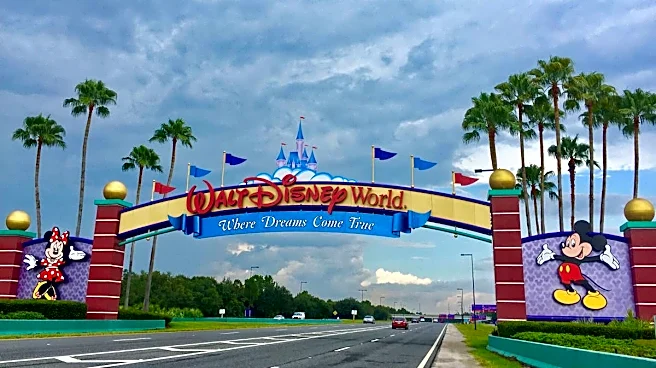
a necessity for many due to rising vacation costs. This trend is characterized by individuals choosing to spend their vacations at home or nearby rather than traveling to distant locations. The narrative around staycations often portrays them as a conscious choice to avoid the high costs and stress associated with traditional travel, but for many, it is a financial necessity. The trend is particularly evident in places like Florida, where destinations such as Key West, Orlando, and Destin are popular for their consistent weather and diverse relaxation options.
Why It's Important?
The rise of staycations reflects broader economic challenges faced by many Americans, highlighting the impact of inflation and rising travel costs on consumer behavior. This shift has significant implications for the travel and tourism industry, which may see a decline in long-distance travel and an increase in local tourism. Businesses in popular staycation destinations could benefit from this trend, while those reliant on international tourism might face challenges. Additionally, the trend underscores the need for affordable travel options and could influence future travel policies and marketing strategies.