


What's Happening?
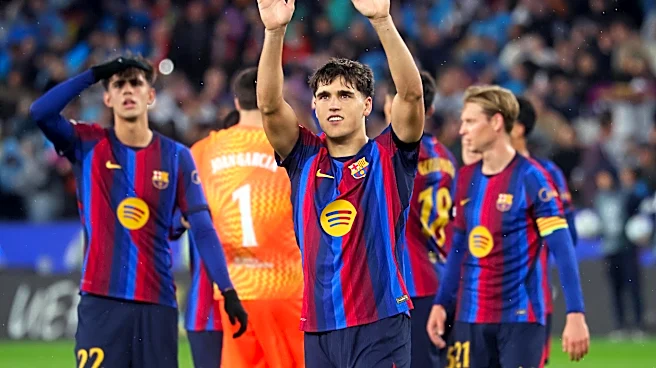
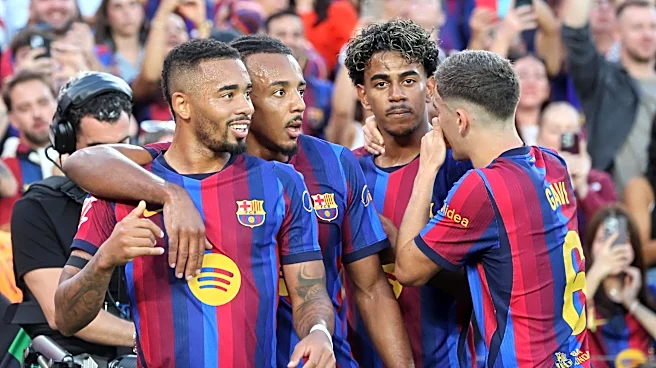
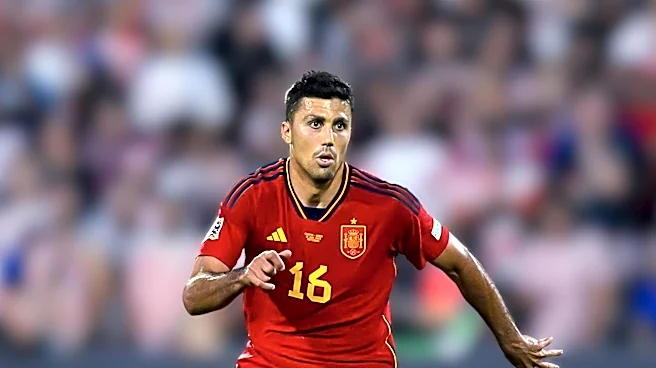
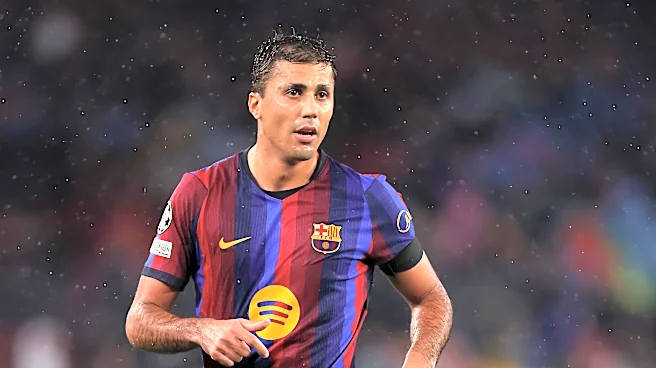
Barcelona midfielder Rodri has publicly declared that winning the UEFA Champions League is the primary objective for his team. Despite this ambition, Rodri has also sought to temper expectations by downplaying suggestions that Barcelona are the favorites
to win the title. In an interview with Diario SPORT, Rodri emphasized the distinction between team objectives and external labels, stating that Barcelona aims to compete for every trophy available without self-applying the 'favorites' tag. He stressed the importance of maintaining a calm approach within the squad, focusing on consistent performance improvement throughout the season. Rodri highlighted that the critical period for contending across all competitions would be in March or April, requiring the team to elevate their game significantly at that time. Barcelona has not secured a Champions League title in over a decade, a period that includes the entirety of the post-Lionel Messi era.
Why It's Important?
Rodri's statements are significant as they set the tone and manage expectations for one of Europe's most prominent football clubs. By openly stating the Champions League as the main goal, he reinforces the club's ambition and commitment to elite competition, which can motivate players and galvanize the fanbase. Simultaneously, his caution against the 'favorites' label is a strategic move to alleviate pressure on the team, especially given Barcelona's recent history in the competition and their high-profile defeats against rivals like Real Madrid and Paris Saint-Germain this season. This approach can foster a more grounded and focused environment, allowing the team to develop without the added burden of overwhelming external expectations. For fans and stakeholders, it provides a realistic outlook on the club's immediate aspirations and challenges, emphasizing humility and continuous improvement as key to potential success.
What's Next?
Looking ahead, Barcelona will need to demonstrate sustained high-level performance to meet their stated objective of contending for the Champions League. Rodri's emphasis on raising the team's level by March or April indicates a strategic focus on peaking during the crucial knockout stages of the competition. The team's ability to integrate younger players, as mentioned by Rodri, will be vital for long-term consistency and depth. Their recent bounce-back win against Atlético de Madrid after consecutive losses to Real Madrid and Paris Saint-Germain suggests a capacity for resilience, which will be tested further in upcoming high-stakes matches. The club's management and coaching staff will likely continue to support Rodri's message of humility and hard work, aiming to build momentum and confidence as the season progresses towards its decisive phases.
Beyond the Headlines
Rodri's comments reflect a broader shift in how top football clubs manage public perception and internal pressure. In an era of intense media scrutiny and fan expectations, leaders within teams often take on the role of managing narratives. By downplaying the 'favorites' tag, Rodri is not only protecting his teammates but also subtly recalibrating external perceptions, potentially reducing the psychological burden that can accompany such labels. This approach can be seen as a mature strategy to foster a resilient team culture focused on process rather than premature accolades. It also highlights the enduring challenge for clubs like Barcelona to balance their rich history of success with current realities, especially after significant squad changes and a period without their most iconic player. The long-term success of this strategy will depend on the team's ability to translate this measured approach into tangible results on the field.