






What's Happening?
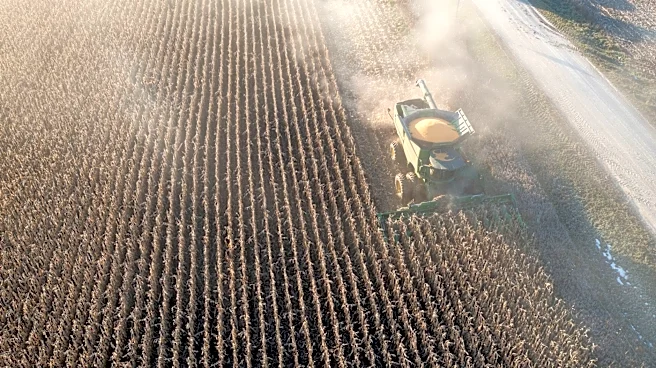
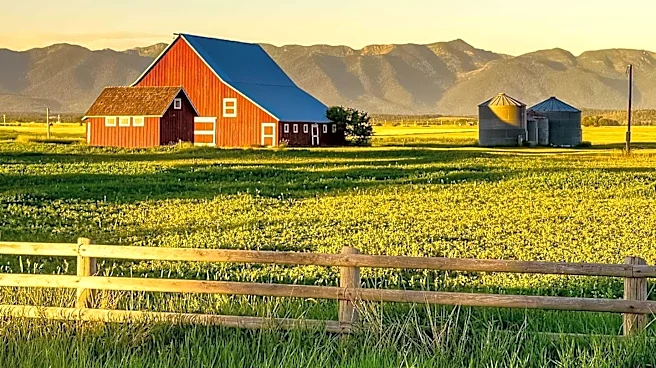
Shangri-La Farms, a multi-state cannabis operator, has proposed establishing a significant outdoor cannabis cultivation facility near Smyrna, Delaware. The plan involves approximately three acres of outdoor cultivation within a nine-acre growing area
on Gravesend Road, with the potential to grow between 20,000 to 50,000 cannabis plants at a time. This number is more than double the current live marijuana plants statewide in Delaware. The proposal was discussed during an administrative licensing hearing held by the Delaware Office of the Marijuana Commissioner (OMC) on August 19. The hearing was mandated after ten neighbors filed protests against the proposed business. Nevil Patel of Shangri-La Farms and Head Grower Frank Alvarez-Gil are leading the project. Alvarez-Gil, with 16 years of experience in the cannabis industry across eight states, would oversee the site with three full-time employees and about a dozen additional workers during the two annual harvest periods. The property was recently purchased by 'Teen Mom' star Kailyn Lowry in July 2024, who later transferred it to the KILLR Revocable Trust.
Why It's Important?
This proposal is significant for Delaware's nascent recreational marijuana industry, which has faced challenges and local resistance since its legalization. The state's recreational market has underperformed, with $53.4 million in sales in its first year, far below the projected $281 million. Shangri-La Farms' large-scale operation could substantially increase the state's cultivation capacity and potentially impact market supply and pricing. However, the project faces strong opposition from local residents concerned about potential odor, particularly during harvest periods. Heather Maddage, a neighbor with asthma, expressed concerns about respiratory issues, while Ed Sonson questioned the legitimacy of the licensing process, suggesting that significant work had already been completed on the site. The outcome of this licensing decision will set a precedent for future large-scale cannabis operations in Delaware and highlight the ongoing tension between economic development in the cannabis sector and community concerns.
What's Next?
The Delaware Office of the Marijuana Commissioner (OMC) is required to issue a written decision following the administrative licensing hearing on Shangri-La Farms' application. While state code does not specify a timeline for this decision, the outcome will determine whether the proposed 50,000-plant cannabis farm can proceed. Shangri-La Farms plans to mitigate odor concerns by using plant varieties with lower terpene profiles and implementing technology such as a Fogco system, particularly during the two-week harvest periods. The company has already secured a county agricultural farm building permit for a 'processing barn with power and water' and an office trailer, which the OMC confirmed is for curing, drying, trimming, and storing harvested plant material. This suggests some preparatory work has been approved, but full cultivation remains contingent on the OMC's final licensing decision. The community's reaction to the OMC's decision will be closely watched, as it could influence future local resistance or support for cannabis businesses in Delaware.
Beyond the Headlines
The Shangri-La Farms proposal in Smyrna underscores broader issues surrounding the integration of the cannabis industry into local communities, particularly in states where recreational use is newly legalized. The concerns raised by residents about odor and potential health impacts highlight the need for comprehensive regulatory frameworks that address environmental and public health considerations alongside economic opportunities. The questioning of the licensing process's formality by a neighbor suggests a lack of trust and transparency, which can erode public confidence in regulatory bodies. Furthermore, the involvement of a public figure like Kailyn Lowry in the property's ownership adds a layer of public scrutiny to the project. The debate also touches on land use, with a local real estate agent supporting the cannabis farm as an agricultural alternative to solar farms, illustrating the complex choices communities face in balancing economic development, environmental preservation, and quality of life. The resolution of this case will likely influence how future cannabis cultivation projects are perceived and regulated across Delaware and potentially other states.