






What's Happening?
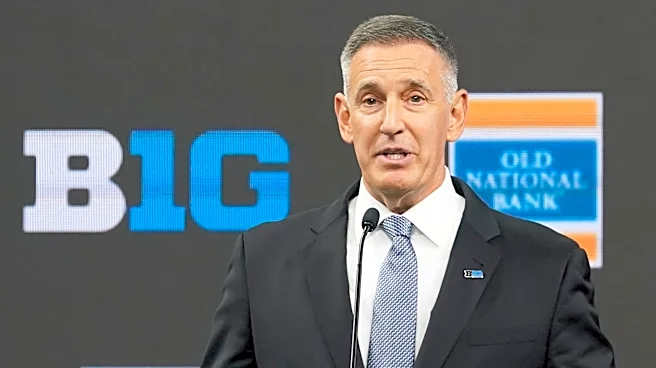
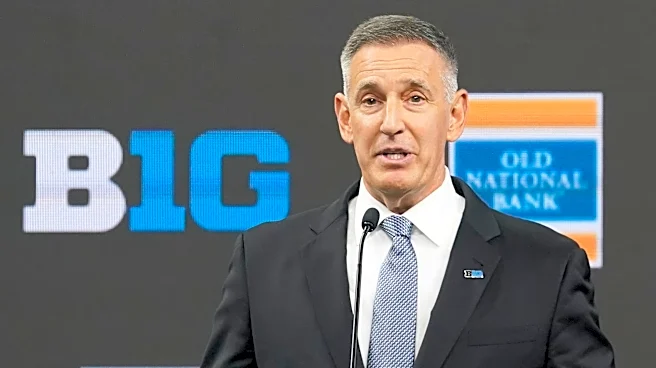
The Big Ten Conference has unanimously adopted a new rule prohibiting football players who have signed a professional contract, been on a professional roster, or declared for the NFL Draft without withdrawing, from maintaining eligibility for athletic
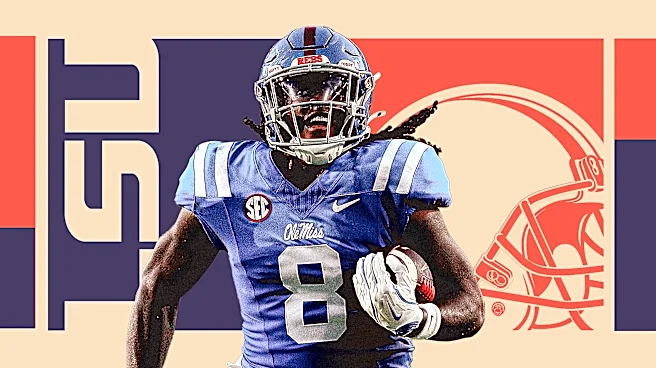
competition at a conference institution. This decision comes amidst a broader legal fight within the NCAA regarding player eligibility and an unexpected increase in professional players attempting to return to college sports. The Big Ten's penalties for violating this rule include a half-season suspension for the head coach of any team that plays an ineligible former professional player and a fine for the school. The conference is also evaluating potential rules to restrict professional athletes in other sports, including basketball, from conference competition. This move by the Big Ten precedes similar actions by the Southeastern Conference (SEC), which has also banned professional players from returning to college, extending its rule to include NFL, NBA, and WNBA players.
Why It's Important?
This new rule by the Big Ten Conference, and subsequently the SEC, marks a significant shift in collegiate sports policy, aiming to define a clear boundary between professional and amateur athletics. The conferences are asserting their authority in determining player eligibility, potentially setting a precedent for other Power Four leagues like the Atlantic Coast Conference (ACC) and Big 12, which are expected to discuss similar measures. The decision reflects a concern among college athletic directors and coaches about professional players taking opportunities away from existing college students and graduating high school players. This policy could also be a step towards conferences developing self-governance models and enforcement policies separate from the NCAA, especially if federal legislation regarding college sports does not materialize. The financial penalties and coaching suspensions underscore the seriousness with which the Big Ten views this issue, indicating a strong desire to maintain the collegiate nature of their athletic programs.
What's Next?
The Atlantic Coast Conference (ACC) and Big 12 conferences are expected to discuss similar bans in the coming days, potentially leading to a widespread adoption of such rules across major collegiate athletic conferences. The SEC has already followed suit, banning players drafted by NFL, NBA, or WNBA teams from returning to college, though their specific penalties are yet to be divulged. The implementation of these rules may lead to legal challenges from players or even schools seeking to circumvent them, especially given the ongoing NCAA legal battles over eligibility. However, the unanimous approval within the Big Ten suggests a strong unified front against such challenges within the conference. The long-term implications could include a clearer distinction between professional and collegiate sports, potentially impacting recruitment strategies and the overall landscape of college athletics.
Beyond the Headlines
The Big Ten's decision highlights the complex and evolving legal landscape surrounding college athletics, particularly concerning player eligibility and compensation. The move to ban professional players from returning to college reflects a desire to protect the traditional model of collegiate sports, which emphasizes student-athletes. This action also underscores the growing autonomy of major conferences in setting their own rules, potentially signaling a future where conferences exert more control over eligibility and enforcement, independent of the NCAA. The ethical dimension of this rule centers on fairness to current college athletes and the preservation of opportunities for those who have not yet entered professional leagues. The legal challenges that may arise will test the conferences' ability to define and enforce eligibility criteria in an environment increasingly influenced by professional sports and player rights.