



What's Happening?
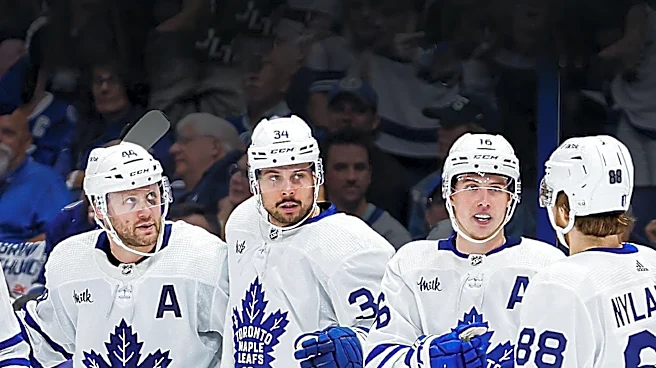
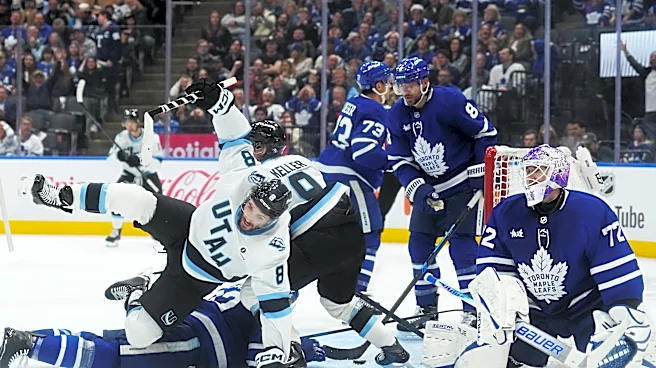
The Toronto Maple Leafs are making a significant lineup adjustment by moving veteran forward John Tavares to the wing. This change coincides with Tavares' return to the lineup for Saturday's game against the Montreal Canadiens, following a lower-body
injury sustained in October. Tavares, 36, is expected to play on the second line alongside center Nick Paul and right-winger William Nylander. This strategic shift has been widely discussed among Toronto media, who have advocated for Tavares to transition from his long-standing center position. The move aims to alleviate the demanding responsibilities of playing center, especially against younger, faster opponents, and to leverage Tavares' offensive capabilities more effectively. Data from Jonas Siegel in The Athletic indicated concerning underlying results for Tavares at center, with the team winning only 32 percent of expected goals when he was on the ice and allowing over four expected goals per 60 minutes, the worst mark on the team. This change was briefly previewed in the game where Tavares sustained his injury, offering a glimpse into the potential benefits of this new role.
Why It's Important?
This lineup change is crucial for the Maple Leafs as it seeks to optimize their offensive output and create a more balanced team structure. By moving Tavares to the wing, the team can potentially extend his effectiveness in the league, allowing him to focus on scoring opportunities rather than the extensive two-way responsibilities of a center. This adjustment could free up younger players to take on more demanding roles down the middle, fostering their development and providing the team with more dynamic options. The success of this move could significantly impact the team's performance, especially as they navigate a challenging part of their schedule and aim to solidify their identity. A more efficient Tavares could translate into increased goal production and better overall team play, which is vital for a team that has shown inconsistency and is looking to improve its standing in the Atlantic Division. The shift also reflects a broader trend in hockey where veteran players adapt their roles to maintain high-level performance as they age, as seen with Steven Stamkos in Tampa Bay.
What's Next?
The immediate next step for the Maple Leafs is to observe how John Tavares performs in his new role on the wing during the upcoming game against the Montreal Canadiens. The coaching staff will likely give this new line combination a meaningful run to assess its effectiveness before making further decisions. If successful, this change could become a permanent fixture, leading to a more stable and productive second line. The team will also be looking for improved communication on the ice, as highlighted by William Nylander, which is crucial for any new line combination to gel. The return of Tavares, along with Jack Roslovic, is expected to bolster the forward group, providing much-needed depth and offensive spark. The Maple Leafs are currently 8-7-2 and 6th in the Atlantic Division, making consistent performance and strategic adjustments critical for their playoff aspirations. The team's ability to integrate Tavares into this new role and address broader communication issues will be key to weathering their current tough stretch of games.
Beyond the Headlines
Beyond the immediate tactical advantages, this decision reflects a broader organizational strategy regarding player management and adaptation in professional sports. It highlights the challenge of balancing a veteran player's historical role with their evolving capabilities and the team's current needs. For Tavares, this move could signify a career evolution, potentially prolonging his high-level play by reducing physical demands while maximizing his offensive strengths. For the Maple Leafs, it demonstrates a willingness to make bold, potentially uncomfortable changes for the greater good of the team, moving past traditional roles to optimize performance. This could set a precedent for how other teams manage aging stars, emphasizing flexibility and strategic deployment over rigid adherence to past positions. The success or failure of this experiment could influence future player development and roster construction philosophies within the NHL, particularly concerning how teams integrate veteran talent with emerging younger players to maintain competitive advantage.