






What's Happening?
Martha Stewart's original 1970s kitchen design from her Turkey Hill farmstead in Westport, Connecticut, is experiencing a significant comeback in interior design trends for 2026. Purchased in 1971, the 1805-built home featured a kitchen with warm, organic
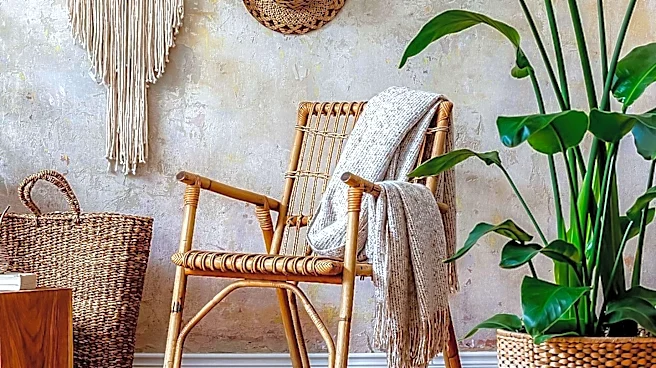
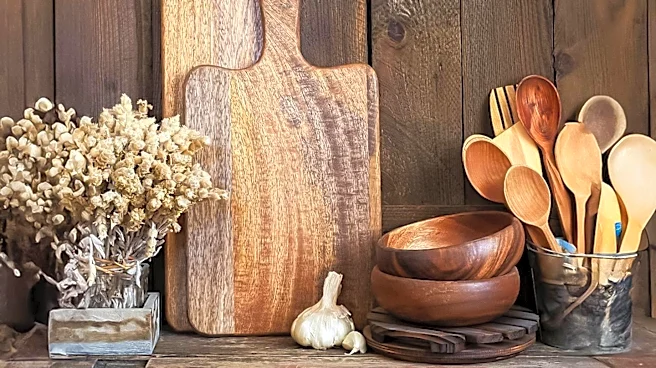
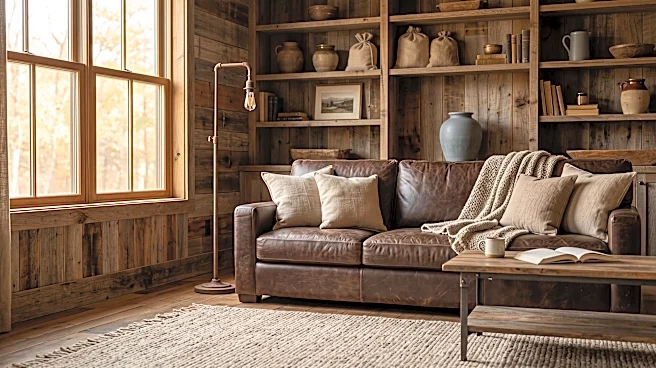
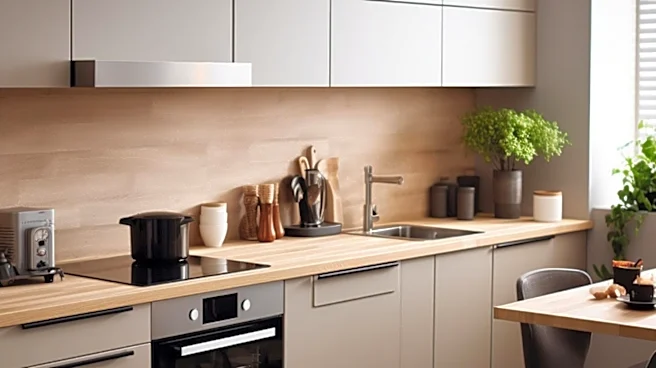
natural wood cabinets, a style that is now resonating with contemporary preferences. This trend marks a departure from the stark white and gray kitchens prevalent in the 2000s and 2010s. Designers are noting a renewed desire for homes to feel connected to nature, cozy, lived-in, welcoming, warm, and full of character. Stewart's early design choices, particularly the use of sycamore wood cabinets with natural topcoats or desaturated mid-to-mid-dark stains, are being highlighted as a blueprint for achieving this aesthetic. The focus is on materials like alder, hickory, oak, or pine, which can incorporate rustic knots for a humble homestead feel, or simpler varieties like birch, maple, walnut, or oak for a cleaner, more modern interpretation.
Why It's Important?
The resurgence of Martha Stewart's 1970s kitchen aesthetic signifies a broader shift in U.S. interior design and consumer preferences. This movement away from minimalist, cool-toned kitchens towards warmer, natural wood tones reflects a desire for comfort, authenticity, and a connection to nature within living spaces. For the home improvement and furniture industries, this trend could lead to increased demand for natural wood cabinetry, wood finishes, and complementary decor items that evoke a vintage, organic feel. Manufacturers and retailers might adjust their product lines to cater to this demand, emphasizing sustainable materials and craftsmanship. For consumers, it offers an opportunity to create cozy and character-filled homes, potentially influencing purchasing decisions for kitchen remodels and decor. This trend also underscores Martha Stewart's enduring influence as a trendsetter in lifestyle and home aesthetics, demonstrating how her past design choices continue to shape contemporary tastes and market demands.
What's Next?
As this trend gains momentum, it is anticipated that more interior designers and home decor brands will incorporate elements inspired by Martha Stewart's 1970s Turkey Hill kitchen into their offerings. Consumers can expect to see a wider availability of natural wood cabinets, warm-toned finishes, and vintage-inspired decor in retail stores. Budget-friendly options, such as those found at Dollar Tree, are already being highlighted for achieving Stewart's fall aesthetic, suggesting that this trend will be accessible across various price points. We may also see an increase in DIY projects focused on restoring or replicating the warm, organic look of the 1970s kitchen. The design community will likely continue to explore and reinterpret other elements from that era, potentially leading to a broader revival of 1970s design principles in U.S. homes. This shift could also influence architectural choices, favoring designs that integrate more natural light and materials to enhance the cozy, connected-to-nature feel.
Beyond the Headlines
Beyond the immediate design implications, the return to Martha Stewart's 1970s aesthetic reflects a deeper cultural yearning for nostalgia and stability in an increasingly fast-paced world. The emphasis on 'cozy, lived-in, welcoming, warm, and full of character' spaces suggests a desire for homes to be sanctuaries that offer comfort and a sense of history. This trend could also be seen as a reaction against the perceived sterility of modern, minimalist designs, highlighting a preference for authenticity and individuality over sleek uniformity. Ethically, it might encourage a greater appreciation for natural materials and sustainable design practices, as consumers seek to connect with nature through their living environments. The enduring relevance of Martha Stewart's early design choices also speaks to her significant impact on American lifestyle and home culture, demonstrating how her vision continues to shape aesthetic sensibilities across generations, influencing not just trends but also the emotional connection people have with their homes.