







What's Happening?
A federal jury in Tampa, Florida, has ordered Joby Aviation, an air taxi startup, to pay approximately $116.9 million to aviation supplier Aerosonic. The verdict stems from a lawsuit alleging that Joby Aviation breached a confidentiality agreement and
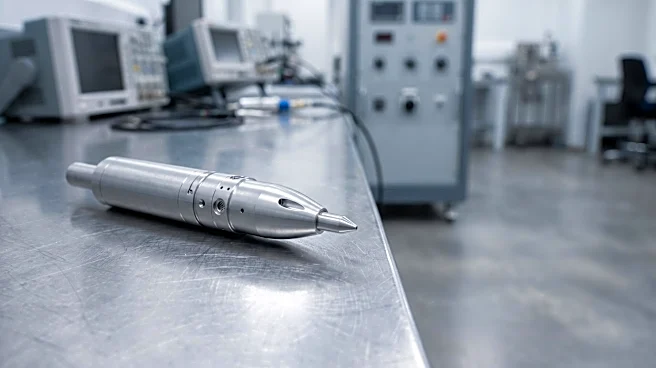
misappropriated trade secrets. Aerosonic had sued Joby last year, claiming that Joby used its proprietary designs and data from air data probes, which measure pressure around an aircraft, to develop its own in-house probes. Aerosonic asserted that this development process, which Joby completed in about two years, would have taken approximately a decade without the use of Aerosonic's trade secrets. The jury found Joby liable for over $48 million for misappropriating trade secrets and more than $68 million for breaking a nondisclosure agreement. Joby Aviation has denied the accusations, stating that it independently developed its air data system through its own engineering and manufacturing efforts. The company also brought a countersuit against Aerosonic, alleging the sale of defective probes, which the jury rejected.
Why It's Important?
This significant verdict highlights the intense competition and legal risks within the burgeoning electric vertical takeoff and landing (eVTOL) aircraft market. The substantial financial penalty against Joby Aviation, a major player in the race to commercialize air taxis, could have considerable implications for its operational costs and investor confidence. The case underscores the critical importance of intellectual property protection and adherence to confidentiality agreements in high-tech industries. For companies like Joby, which are heavily reliant on innovation and proprietary technology, safeguarding trade secrets is paramount. The verdict also serves as a cautionary tale for startups and established companies alike, emphasizing the potential legal and financial repercussions of alleged intellectual property infringement. Furthermore, the ongoing legal battles, including other lawsuits involving Joby and its rival Archer Aviation, indicate a fiercely competitive landscape where companies are aggressively protecting their technological advancements and market positions. This legal outcome could influence future collaborations and partnerships within the eVTOL sector, potentially leading to more stringent contractual agreements and increased vigilance regarding intellectual property.
What's Next?
Joby Aviation has expressed strong disagreement with the jury's verdict, stating that it believes the decision is unsupported by evidence and inconsistent with the law. The company intends to vigorously pursue all available post-trial and appellate remedies, including asking the court to overturn the verdict. This indicates that the legal battle is far from over and could extend through further court proceedings and appeals. The verdict is not yet finalized and remains subject to these potential motions and appeals. Meanwhile, Joby Aviation continues to be involved in other legal disputes, including multiple lawsuits with its rival Archer Aviation, concerning allegations of corporate espionage and misclassification of aircraft parts. These ongoing legal challenges could impact Joby's financial performance and its timeline for launching commercial air taxi services, such as its plans to operate in the United Arab Emirates within the next year. The broader eVTOL market will likely watch these developments closely, as they could influence investment, regulatory scrutiny, and the overall competitive dynamics of the industry.
Beyond the Headlines
The Joby Aviation lawsuit delves into the complex ethical and legal considerations surrounding intellectual property in rapidly evolving technological sectors. The dispute over whether Joby independently developed its technology or relied on Aerosonic's trade secrets highlights the fine line between legitimate reverse engineering and unlawful appropriation. This case could prompt a re-evaluation of how confidentiality agreements are drafted and enforced, particularly when smaller suppliers interact with larger, well-funded startups. The 'move fast and break things' ethos often associated with tech innovation is increasingly being challenged by legal frameworks designed to protect established intellectual property. Moreover, the intense competition in the eVTOL space, with companies vying to be the first to market, creates an environment ripe for such disputes. The outcome of this case, regardless of the final appeal, will likely influence how venture capitalists and investors assess risk in similar high-stakes, high-innovation industries. It also underscores the importance of robust internal compliance and ethical guidelines for companies developing cutting-edge technologies, as the cost of legal battles can be as detrimental as the financial penalties themselves.