





What's Happening?
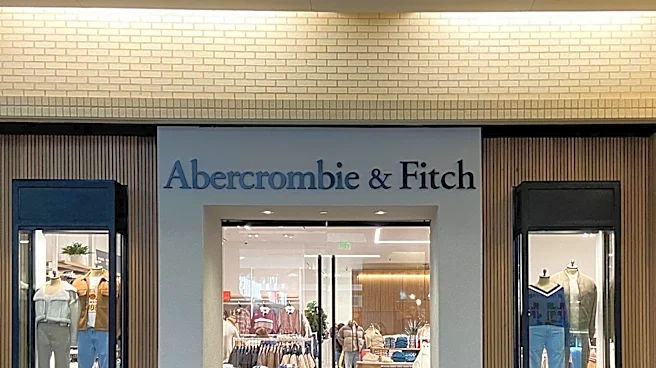
Abercrombie & Fitch (NYSE:ANF) has secured continued backing from Jefferies, which has maintained its 'buy' rating on the retailer's stock. This endorsement follows a meeting with the company's chief financial officer, where Jefferies noted strong brand
momentum, firmer pricing strategies, and disciplined discounting as key drivers for future growth. The bank views Abercrombie & Fitch shares as attractively valued, trading at approximately 11 times forecast fiscal 2027 earnings. The company's namesake brand saw an 8% year-over-year sales increase in the second quarter, up from 3% in the first quarter, driven by gains in various apparel categories, improved conversion rates, and increased full-price selling. Hollister, the company's second brand, also experienced a 2% year-over-year sales lift in the second quarter, with growth accelerating into August as inventory availability improved for back-to-school floor sets. Average unit retail (AUR) increased by a mid-single-digit percentage in the second quarter, supported by reduced discounting.
Why It's Important?
This positive assessment from Jefferies highlights Abercrombie & Fitch's successful strategic shifts in the competitive retail landscape. The sustained pricing power and disciplined promotional activities indicate a stronger brand perception and reduced reliance on heavy discounts, which can significantly improve profit margins. The growth in both the Abercrombie and Hollister brands suggests effective product assortments and marketing strategies resonating with their target demographics. For the U.S. retail industry, this demonstrates that established brands can revitalize their market position through strategic operational changes and a focus on brand value. Investors and other retailers will be closely watching Abercrombie & Fitch's ability to maintain this momentum, as it could signal broader trends in consumer spending and brand loyalty within the apparel sector. The company's expansion into new categories and online channels also underscores the importance of diversification and omnichannel presence in today's retail environment.
What's Next?
Abercrombie & Fitch's outlook anticipates modest AUR growth in the second half of the fiscal year, which Jefferies believes could lead to outperformance in sales and gross margin if the company continues its discount discipline. Management expects $20 million in tariff refunds in the third quarter and plans to keep marketing expenses slightly above 5% of sales, supporting a full-year operating margin guidance of 14.5% to 15.0%. The company is also expanding its customer reach through new initiatives, including new categories like footwear and accessories, a partnership with Fanatics to extend its National Football League assortment into stadium stores and additional online channels, and a Hollister collaboration with Target. Share repurchases are another lever for earnings growth, and an enterprise resource planning system completed in March is expected to modernize infrastructure for further expansion. These strategic moves aim to solidify its market position and drive sustained financial performance.
Beyond the Headlines
The success of Abercrombie & Fitch in re-establishing its brand momentum and pricing power reflects a broader shift in consumer behavior and retail strategy. After years of struggling with its image and sales, the company's ability to pivot towards a more premium positioning and disciplined promotional approach suggests a renewed focus on brand equity over volume at all costs. This could have long-term implications for the fast-fashion and youth-oriented apparel markets, potentially encouraging other retailers to re-evaluate their discounting strategies and invest more in brand building. The expansion into new categories and partnerships, such as with Fanatics and Target, also indicates a strategic understanding of modern retail, where collaborations and diversified offerings are crucial for capturing new customer segments and maintaining relevance. This evolution highlights the dynamic nature of the retail industry and the necessity for continuous adaptation to consumer preferences and market trends.