






What's Happening?
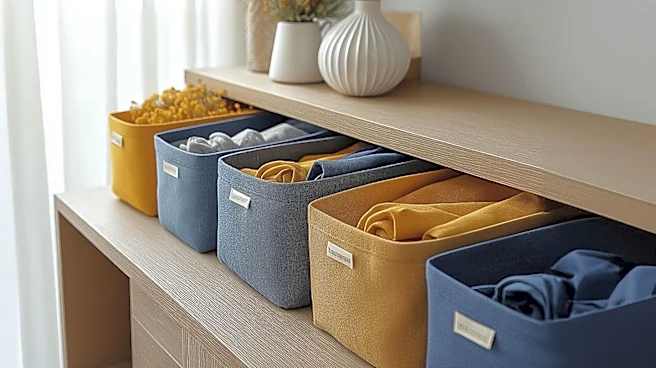
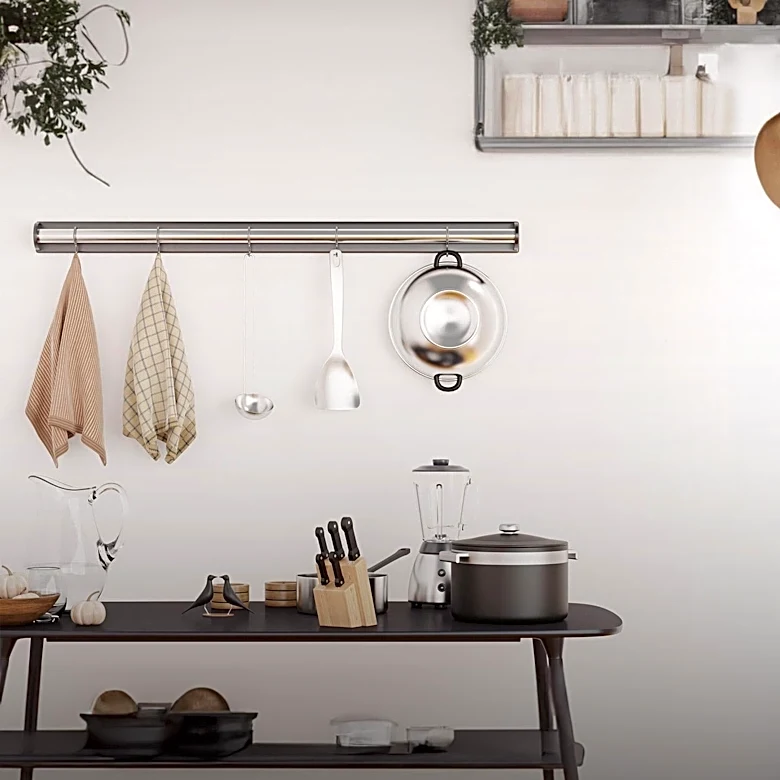
Experts in home organization are advising individuals living in small spaces to prioritize vertical storage solutions and multi-functional furniture to maximize their living areas. This approach involves utilizing wall-mounted shelves, tall cabinets,
and hooks to free up floor space. Additionally, furniture pieces that serve multiple purposes, such as storage ottomans, benches with hidden compartments, and coffee tables with drawers, are highly recommended. The strategy emphasizes making the most of existing space rather than adding more items, which can lead to clutter. Specific recommendations include using the space under beds for seasonal items or spare linens, and transforming awkward corners into useful storage areas with slim cabinets or floating shelves. The goal is to create an organized and inviting environment even in compact apartments.
Why It's Important?
The increasing urbanization and rising housing costs in the U.S. have led to a growing trend of smaller living spaces, particularly in major cities. This shift makes efficient home organization crucial for maintaining quality of life and mental well-being. By adopting vertical storage and multi-functional furniture, residents can reduce clutter, improve accessibility, and create a more visually cohesive and spacious feel in their homes. This trend impacts various industries, from furniture manufacturers and home goods retailers to professional organizing services. Businesses that innovate with space-saving designs and smart storage solutions stand to gain significantly from this market demand. Furthermore, effective organization can reduce stress and improve daily routines for individuals, highlighting the broader societal benefit of these practical tips.
What's Next?
As the demand for efficient small-space living solutions continues to grow, consumers can expect to see further innovations in furniture design and storage products. Manufacturers are likely to focus on modular designs, customizable storage systems, and integrated technology to enhance functionality. Retailers will increasingly curate sections dedicated to small-space living, offering a wider array of vertical storage units, convertible furniture, and compact appliances. Professional organizers will continue to play a vital role in guiding consumers through these choices, offering personalized solutions for optimizing their homes. Educational content and DIY guides on maximizing small spaces will also become more prevalent, empowering individuals to implement these strategies independently.
Beyond the Headlines
The emphasis on maximizing small spaces extends beyond mere aesthetics and convenience; it reflects a broader cultural shift towards minimalism and sustainable living. By encouraging the use of multi-functional items and efficient storage, these practices promote conscious consumption and reduce the accumulation of unnecessary possessions. This approach can lead to a more sustainable lifestyle by encouraging individuals to invest in fewer, higher-quality items that serve multiple purposes, thereby reducing waste. Ethically, it challenges the consumerist mindset of constantly acquiring new goods, advocating instead for thoughtful utilization of existing resources. This movement also highlights the psychological benefits of decluttering, fostering a sense of calm and control in one's living environment, which is particularly valuable in today's fast-paced world.