

What's Happening?
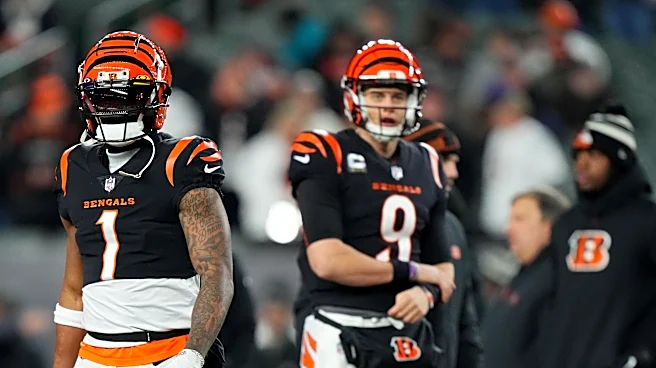
The Cincinnati Bengals and Chicago Bears held a joint practice ahead of their preseason game, showcasing both offensive and defensive highlights. Initially, both offenses, led by quarterbacks Caleb Williams for the Bears and Joe Burrow for the Bengals,
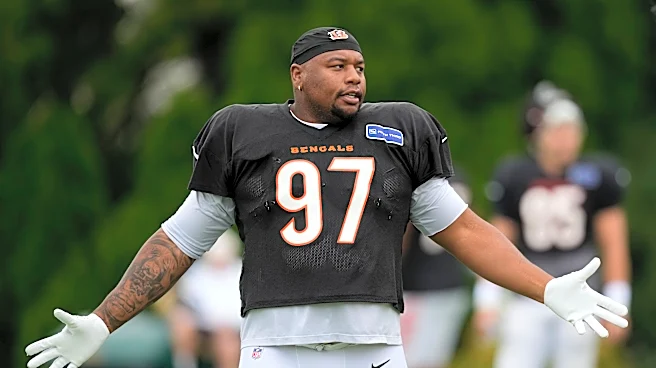
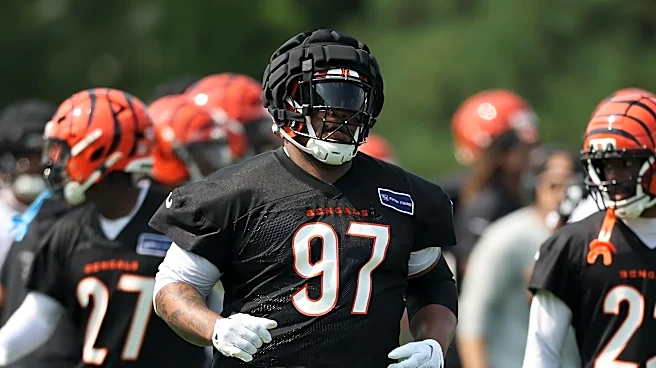
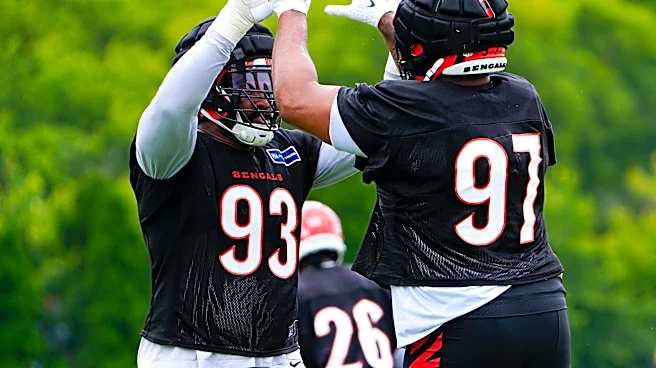
demonstrated strong performances. However, as the practice progressed, the defenses intensified their efforts. The Bengals' defensive front, particularly defensive tackle Dexter Lawrence, proved to be a significant challenge for the Bears' offensive line. Lawrence was highly disruptive, securing an interception by tipping a pass from Caleb Williams and then catching it. The Bears' offense, despite an early strong start, struggled significantly towards the end of the practice, with Williams being sacked multiple times and throwing an interception to Jalen Davis. The Bengals' defense also managed to pressure Burrow, with rookie safety Dillon Thieneman intercepting a pass intended for Mike Gesicki. Minor scuffles occurred between players from both teams, but no major altercations disrupted the practice.
Why It's Important?
This joint practice offers crucial insights into the readiness and potential strengths of both the Cincinnati Bengals and Chicago Bears as they approach the upcoming NFL season. For the Bengals, the dominant performance of their defensive line, spearheaded by Dexter Lawrence, suggests a significant improvement in their defensive capabilities, which could be a key factor in their season's success. The ability to disrupt a promising young quarterback like Caleb Williams and pressure Joe Burrow indicates a robust defensive unit. For the Bears, the struggles of their offensive line against the Bengals' defense highlight an area that requires immediate attention. Protecting their quarterback, Caleb Williams, is paramount for his development and the team's offensive efficacy. The practice also provides valuable competitive experience for both teams, allowing them to test their strategies and personnel against external opponents in a controlled environment, which is often more beneficial than internal scrimmages.
What's Next?
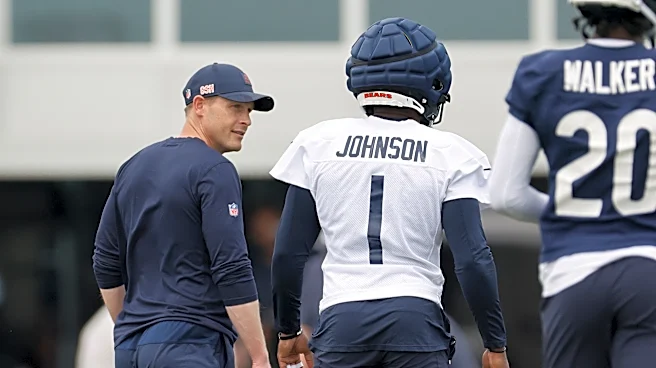
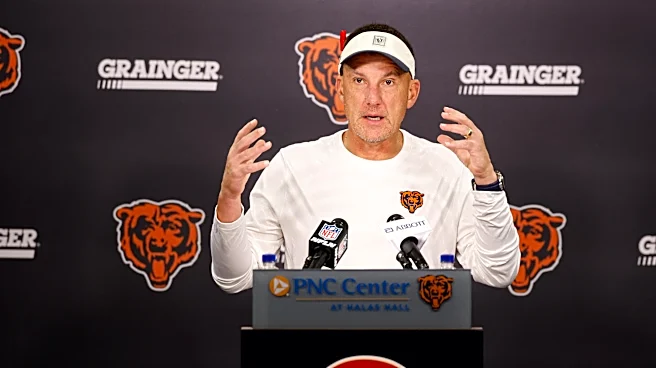
Following the joint practice, both teams will likely use the insights gained to refine their strategies and make roster decisions before the preseason game. Bears coach Ben Johnson indicated that the joint practice would influence whether starters play in the upcoming preseason game. Given that Bengals coach Zac Taylor has already confirmed his starters will rest, it is anticipated that the Bears will follow suit, prioritizing player health and further evaluation of their depth chart. The focus will shift to analyzing player performance, particularly the offensive line's ability to protect the quarterback and the defensive unit's consistency. Players on the bubble, such as Tahj Brooks, might face increased scrutiny as teams finalize their rosters. The teams will continue to prepare for the regular season, addressing weaknesses identified during this practice and building on their strengths.
Beyond the Headlines
The intensity observed during the joint practice, including minor scuffles, underscores the competitive nature of professional football even in a practice setting. These interactions, while not escalating into major fights, reveal the underlying drive and passion of the players. The performance of individual players, such as Dexter Lawrence's disruptive presence, can significantly impact team dynamics and future game plans. For the Bears, the challenges faced by their offensive line against a strong defensive front provide a critical learning opportunity that could shape their training focus for weeks to come. Conversely, the Bengals' defensive success could boost team morale and confidence. Joint practices also serve as a valuable tool for coaches to assess player resilience, adaptability, and ability to perform under pressure against unfamiliar opponents, offering a more realistic simulation of game-day conditions than internal practices.