






What's Happening?
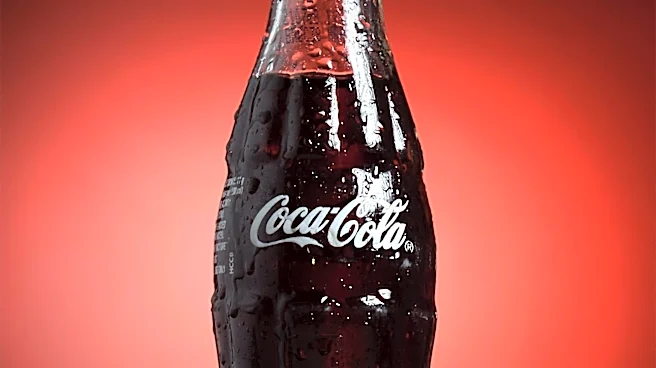
Retailers are re-evaluating their carbonated soft drink (CSD) category management strategies to address evolving consumer preferences, which increasingly favor functional and modern soda options. According to Jacob Jordan of McLane Co., the CSD category should
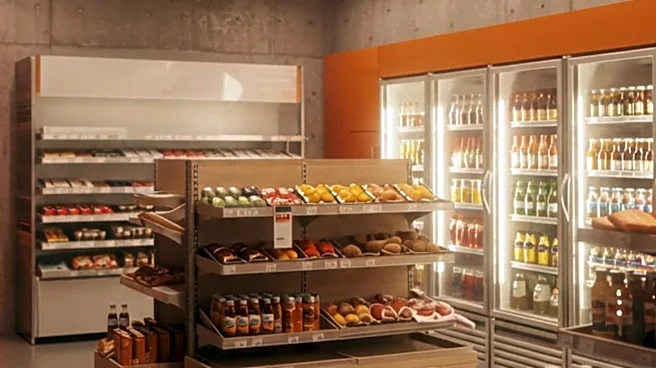
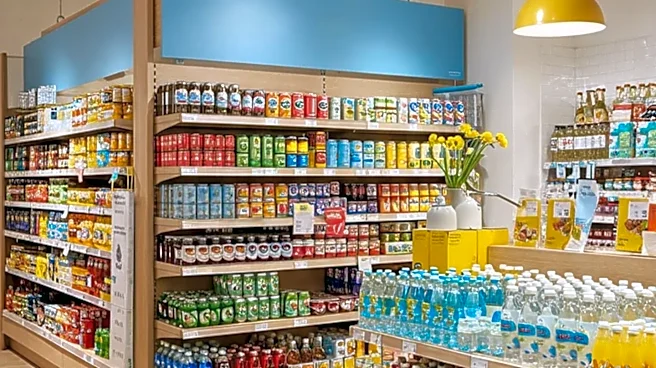
be viewed as a 'portfolio' rather than an 'either-or proposition,' balancing traditional offerings with newer, health-conscious varieties. While the $10.9 billion CSD category in U.S. c-stores saw a modest 0.8% increase in dollars and a 3.3% decrease in units for the 52-week period ending September 6, per Circana, this growth is largely driven by premium products. Consumers are seeking beverages that offer specific benefits, unique flavor profiles, or differentiated experiences beyond simple refreshment. This shift necessitates that retailers, especially smaller ones, remain nimble, regularly refresh planogram assortments, and leverage bundling opportunities to capture growth.
Why It's Important?
This strategic shift in CSD category management is crucial for retailers to remain competitive and relevant in a dynamic market. The emphasis on functional beverages with features like high protein or probiotics, alongside nostalgia-driven innovations, indicates a significant change in consumer demand. Retailers who fail to adapt by incorporating these new trends risk losing market share to competitors who are more responsive to consumer preferences. For smaller retailers, the ability to control their cooler assortments and resist supplier pressure to carry underperforming SKUs is becoming increasingly vital. By focusing on what customers want and understanding purchasing behaviors, retailers can optimize their offerings, drive transactions, and increase overall basket size, ensuring the continued profitability and growth of their beverage categories.
What's Next?
The beverage market is expected to continue its evolution, with functional and modern soda segments remaining key areas of opportunity. Manufacturers will likely introduce more new formulations and flavor combinations to meet consumer demand for beneficial and unique drink experiences. Retailers will need to continuously monitor sales data and customer feedback to identify emerging brands and adjust their product assortments accordingly. The trend of retailers taking more control over their cooler doors and implementing self-delivery models, as seen with Temp-Stop, suggests a future where retailers have greater autonomy in curating their beverage selections. This proactive approach will be essential for balancing traditional CSDs, which remain important traffic drivers, with innovative offerings that attract wellness-focused and younger consumers.
Beyond the Headlines
The transformation in CSD category management reflects a broader societal trend towards health and personalization. Consumers are no longer content with generic options; they demand products that align with their lifestyle choices and provide tangible benefits. This shift has implications beyond the beverage aisle, influencing product development and marketing across various consumer goods sectors. The focus on 'gut-friendly' and 'functional' attributes highlights a growing awareness of health and wellness, pushing brands to innovate beyond traditional product definitions. This also underscores the power of consumer data and insights in shaping retail strategies, as businesses increasingly rely on analytics to understand and anticipate customer needs, leading to a more tailored and responsive marketplace.