






What's Happening?
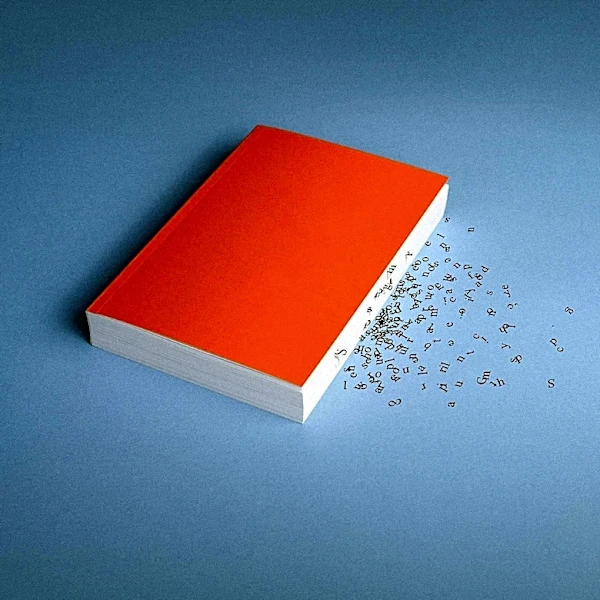
Liana De la Rosa's new contemporary romance novel, 'Mutual Discord,' is set to be released on August 18, 2026. The story centers on Sofia Mendoza, a 31-year-old who, after being laid off from her marketing job, secretly creates a popular TikTok series
called 'Matildas.' This series highlights women scientists, inventors, and innovators who have been historically overlooked. Through her online persona, Sofia connects with an anonymous follower, 'A,' with whom she develops a strong virtual connection. The plot thickens when 'A' is revealed to be Alex Castillo, the new boyfriend of Sofia's best friend, Caitlin. Alex is also new to Phoenix, and Caitlin, who travels frequently, asks Sofia to show him around. This creates a complicated situation as Sofia struggles with her growing feelings for Alex while trying to maintain her friendship with Caitlin and keep her online life a secret. The novel delves into themes of career struggles, content creation, and self-esteem, alongside a forbidden friends-to-lovers romance.
Why It's Important?
The novel 'Mutual Discord' is important for its exploration of contemporary social issues within a romance narrative. By spotlighting the 'Matilda Effect' and celebrating women's contributions to science and innovation, the book offers educational content that challenges historical biases. This theme resonates with broader societal discussions about gender equality and recognition of women's achievements. Furthermore, the story's depiction of Puerto Rican culture and Latine identity, through characters like Sofia, Alex, and Denise, provides valuable representation and explores the multifaceted nature of cultural heritage. The discussions around what it means to be Latine, encompassing aspects from skin color and language to food and cultural familiarity, contribute to a more nuanced understanding of identity in the U.S. The book also touches on the modern challenges of content creation as a career, the pressures of maintaining an online persona, and the impact of these on self-esteem, reflecting current trends in digital media and personal branding.
What's Next?
Following the release of 'Mutual Discord' on August 18, 2026, readers can anticipate further works from Liana De la Rosa. The author is also expected to release another historical romance titled 'Recklessly Yours' in early 2027. Additionally, there are indications of more books in the 'Daltons' series, suggesting a continued focus on historical romance alongside her foray into contemporary romance. The reception of 'Mutual Discord' will likely influence future publishing decisions regarding potential spin-offs or additional stories featuring side characters from the novel. The book's themes of feminist rage, cultural identity, and career struggles in the digital age may spark further discussions among readers and in literary circles, potentially leading to its inclusion in book club selections and educational discussions about contemporary romance and its social commentary.
Beyond the Headlines
Beyond the immediate plot of forbidden romance, 'Mutual Discord' delves into deeper societal implications, particularly regarding the 'Matilda Effect.' This phenomenon, where women's scientific achievements are often attributed to men, highlights a systemic issue of gender bias in recognition and credit. By integrating this into a popular romance genre, the novel makes these critical discussions accessible to a wider audience, potentially fostering greater awareness and advocacy for equitable recognition in various fields. The narrative also subtly explores the ethical dilemmas of secrecy and deception, both in personal relationships and professional endeavors, as Sofia navigates her hidden online career and her feelings for Alex. The portrayal of Latine identity, moving beyond monolithic representations, contributes to a more inclusive cultural dialogue in literature, emphasizing the diversity within the Latine community. This nuanced approach can help challenge stereotypes and promote a richer understanding of cultural experiences in the U.S.