


What's Happening?
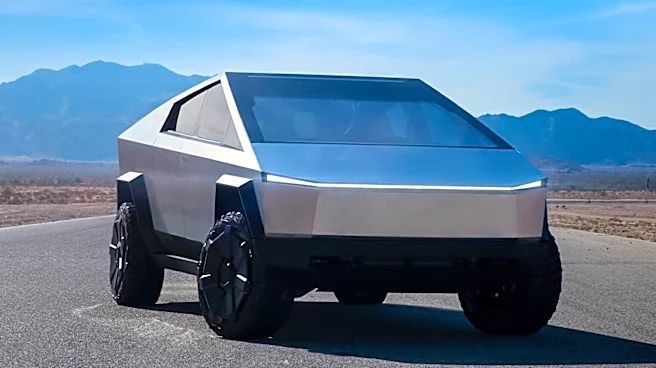
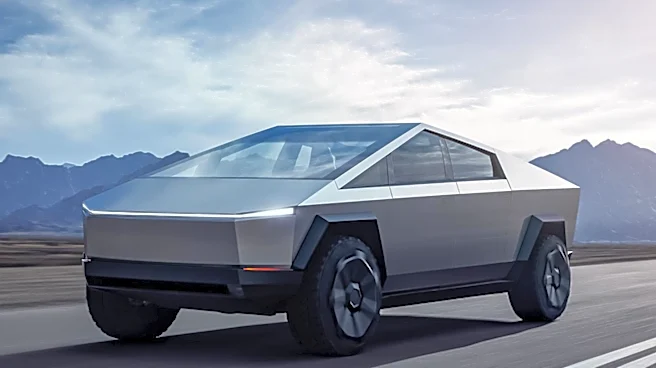
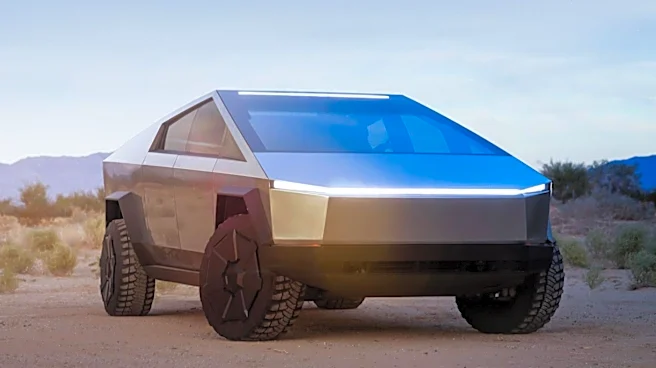
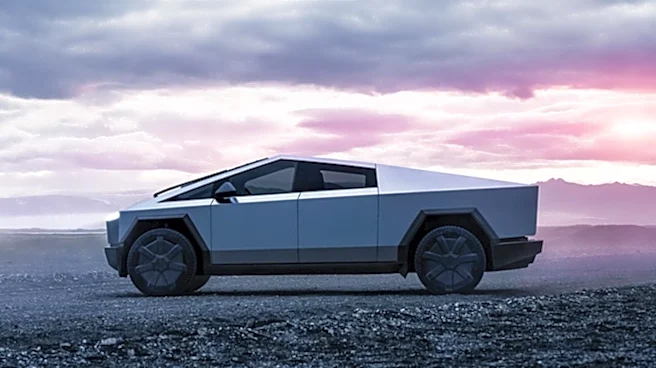
Tesla has introduced its first Cybercab equipped with built-in Starlink connectivity. The integration of Starlink, a satellite internet service, into Tesla's autonomous taxis raises questions about its necessity, given that these vehicles are expected
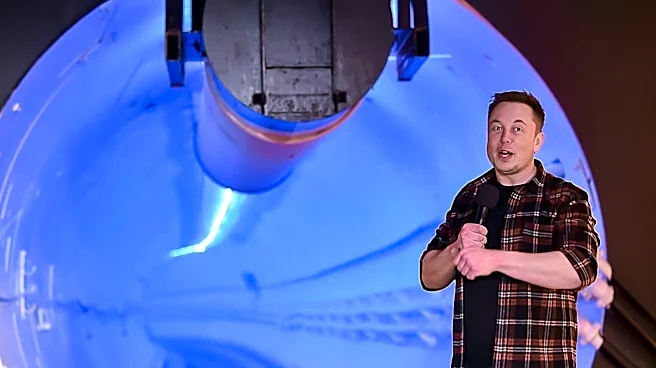
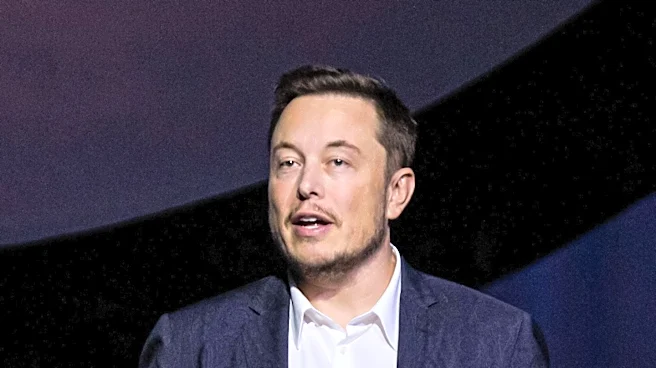
to operate in urban areas with 5G coverage. Elon Musk, CEO of Tesla, explained that the inclusion of Starlink is to support the anticipated growth in bandwidth demand driven by AI, as bot traffic is expected to surpass human internet traffic significantly in the coming years.
Why It's Important?
The integration of Starlink into Tesla's Cybercabs highlights the growing convergence of technology sectors, particularly in transportation and telecommunications. This move could set a precedent for future autonomous vehicle designs, emphasizing the need for robust connectivity solutions. It also reflects Tesla's strategy to leverage synergies between its various ventures, potentially enhancing its competitive edge in the autonomous vehicle market. The development underscores the importance of connectivity in the evolution of smart transportation systems.
Beyond the Headlines
The integration of Starlink into Tesla's vehicles may signal a broader trend of merging satellite internet with terrestrial technologies, potentially reshaping the landscape of global connectivity. This could lead to new business models and partnerships across industries, influencing how companies approach infrastructure development and service delivery. The move also raises questions about data privacy and security, as increased connectivity could expose vehicles to cyber threats, necessitating advanced cybersecurity measures.