





What's Happening?
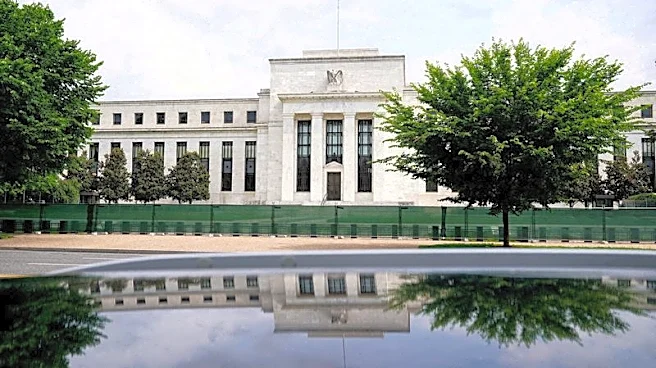
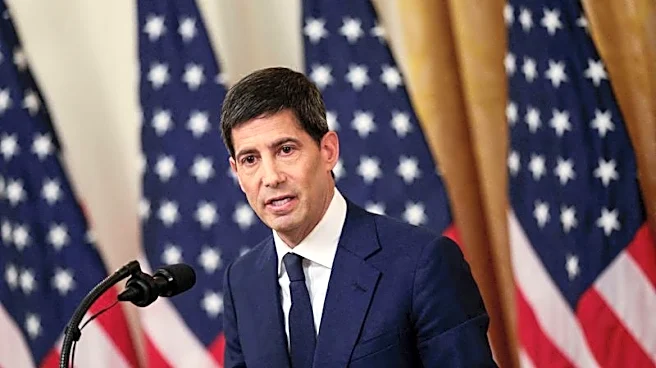
The Federal Reserve, under the leadership of newly appointed Chair Kevin Warsh, has maintained interest rates but indicated a potential rate hike by the end of the year. This announcement has led to a decline in gold prices, which fell by more than 1%
during the session. Warsh emphasized the central bank's commitment to controlling inflation, which has been a significant factor in the market's reaction. The Fed's decision to potentially raise rates reflects a shift in its monetary policy approach, focusing on price stability as a primary objective. Warsh also announced the creation of five task forces to examine various aspects of the Fed's monetary policy process, signaling potential future changes.
Why It's Important?
The Federal Reserve's stance on interest rates and inflation has significant implications for the U.S. economy and financial markets. By signaling a potential rate hike, the Fed is addressing concerns about inflation, which can impact consumer purchasing power and economic growth. The decline in gold prices reflects the market's response to the Fed's hawkish tone, as investors adjust their expectations for future monetary policy. The creation of task forces suggests that the Fed is considering substantial changes to its policy framework, which could influence economic conditions and market dynamics in the long term.
What's Next?
The Federal Reserve's future actions will be closely monitored by investors and policymakers. The potential rate hike by the end of the year will depend on economic data and inflation trends. The task forces announced by Warsh are expected to provide recommendations that could lead to changes in the Fed's approach to monetary policy. Market participants will be watching for any signals from the Fed regarding its plans for interest rates and inflation control, as these will have significant implications for financial markets and the broader economy.