


What's Happening?
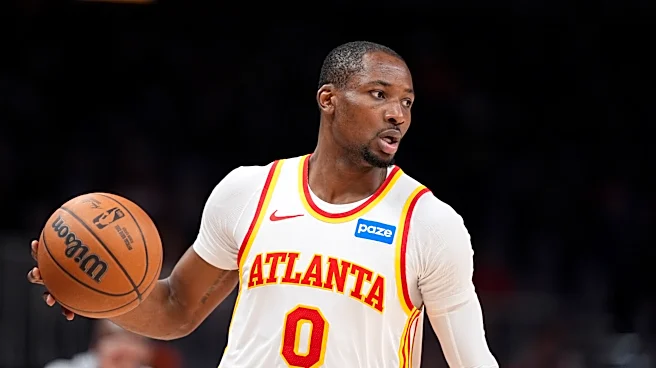
Tony Ressler led a group that acquired the Atlanta Hawks NBA team in April 2015 for approximately $850 million. The acquisition received final approval from the NBA in June 2015. Jesse Itzler, a co-founder of 29029 and All Day Running Co., holds a minority
stake in the Atlanta Hawks through this Ressler-led group. While Itzler has various business ventures, including The 100 Mile Group, his ownership in the Hawks is a minority position, with control remaining with the lead ownership group. This investment provides exposure to the sports equity market and league economics, contrasting with Itzler's more operationally controlled businesses in media and experiences.
Why It's Important?
The acquisition of the Atlanta Hawks by Tony Ressler's group for $850 million in 2015 highlights the significant and escalating value of professional sports franchises in the U.S. This transaction, along with others in the NBA, demonstrates a trend where teams are increasingly seen as valuable, long-term assets, attracting substantial investment from financial entities and wealthy individuals. For minority owners like Jesse Itzler, such stakes offer diversification and potential for long-duration appreciation, driven by factors like media rights, league economics, and scarcity. The shift in ownership profiles, from traditional entrepreneurs to financial world investors, indicates a broader economic trend where sports teams are viewed as strategic portfolio components rather than solely prestige assets. This can influence how teams are managed, potentially prioritizing financial returns and growth over historical ties to the sport's culture.
What's Next?
The trend of increasing valuations and ownership changes in the NBA is expected to continue, with franchises becoming even more attractive to investors. The league's allowance of private equity funds to acquire minority stakes further facilitates this trend, ensuring a continuous pool of potential buyers. For teams like the Atlanta Hawks, continued appreciation in value is anticipated, driven by new television and streaming contracts, and the expanding international market for basketball. Owners will likely continue to balance the operational aspects of running a team with the financial strategies aimed at maximizing asset appreciation. The focus on long-term growth and strategic investments in arenas and team operations will remain paramount for ownership groups.
Beyond the Headlines
The rising cost and frequent change of ownership in U.S. professional sports, exemplified by the Atlanta Hawks' sale, raise deeper questions about the evolving nature of sports ownership. The increasing presence of investment groups and tech magnates as owners could lead to a more financially driven approach to team management, potentially impacting fan experience, ticket pricing, and community engagement. While capital infusion can lead to better facilities and player talent, there's a risk that the historical and cultural connection between a team and its city might diminish if owners prioritize returns over local identity. This shift also underscores the unique economic model of professional sports, where scarcity and guaranteed media revenues create a highly desirable, albeit illiquid, asset class. The long-term implications could include a further commercialization of sports, potentially altering the traditional fan-team relationship.