




What's Happening?
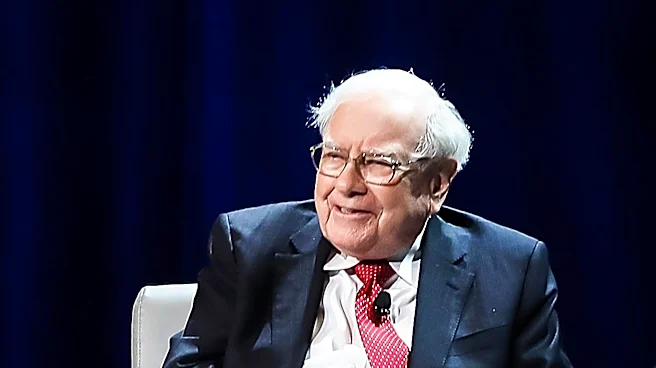
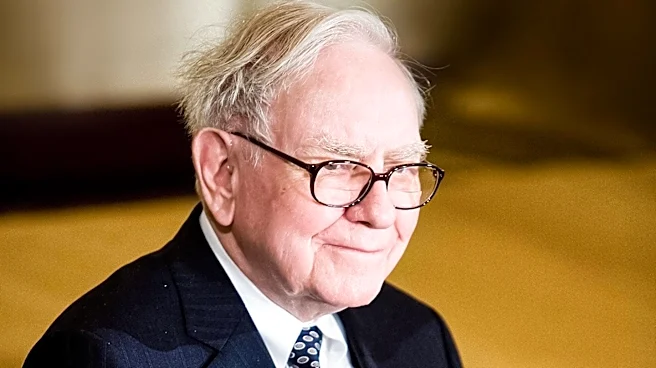
Greg Abel, CEO of Berkshire Hathaway and successor to Warren Buffett, has indicated a cautious outlook on the stock market through the conglomerate's recent trading activities. In the third quarter, Berkshire Hathaway engaged in net selling of equity
securities, purchasing $2.366 billion and selling $2.792 billion, resulting in a net sale of $426 million. This marks the 15th time in the last 16 quarters that Berkshire's leadership has sold more stocks than they purchased. This trend suggests that Abel and his team perceive current equity valuations as historically expensive. While neither Abel nor Buffett publicly comment on short-term market movements or individual investments, this consistent net selling provides a significant clue to their near-term market perspective. Abel, like Buffett, prioritizes value investing, focusing on long-term investments, strong management, and companies with sustainable competitive advantages, and will not pursue companies if they do not offer an attractive value proposition.
Why It's Important?
This sustained net selling by Berkshire Hathaway under Greg Abel's leadership carries significant weight for investors and the broader U.S. financial markets. Berkshire Hathaway's investment decisions are closely watched due to its substantial capital and the influence of its leadership, historically Warren Buffett and now Greg Abel. Their cautious stance, reflected in consistent net selling, suggests a belief that many stocks are currently overvalued. This could lead other institutional and individual investors to re-evaluate their portfolios, potentially slowing market growth or even contributing to a market correction if enough major players adopt a similar conservative approach. For companies, this could mean a more challenging environment for raising capital through equity offerings if investor sentiment shifts towards caution. The emphasis on value investing by Abel and Buffett also highlights a potential return to fundamental analysis over speculative growth, which could impact sectors with high valuations but limited intrinsic value.
What's Next?
The continued net selling by Berkshire Hathaway could influence investor behavior and market dynamics in the coming quarters. If this trend persists, it might signal a broader shift in investment strategies among large institutional investors, potentially leading to increased market volatility or a more pronounced focus on value-oriented stocks. Investors will likely scrutinize Berkshire Hathaway's future earnings reports and investment activities for further indications of their market outlook. While Abel and Buffett do not offer explicit market forecasts, their actions serve as a de facto signal. This could prompt a re-evaluation of the 'Buffett indicator' (market-cap-to-GDP ratio) by market analysts, which Buffett himself has called the 'best single measure of where valuations stand.' A sustained period of net selling by a major player like Berkshire Hathaway could contribute to a more conservative investment climate, potentially impacting capital allocation across various U.S. industries.