








What's Happening?
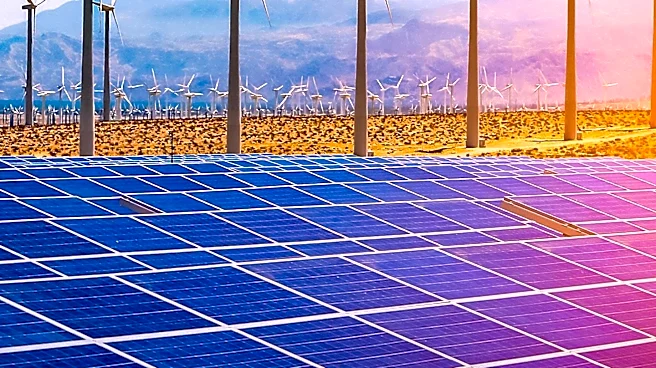
China is set to invest approximately $940 billion in alternative energy sources and infrastructure in 2026, making it the largest investor globally in this sector. A significant portion of this investment, an estimated $140 billion, will be directed towards
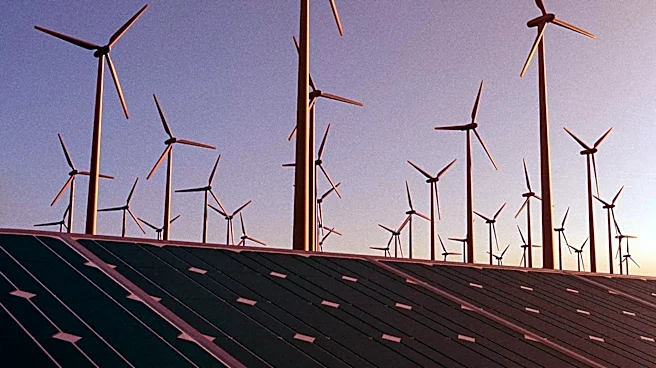
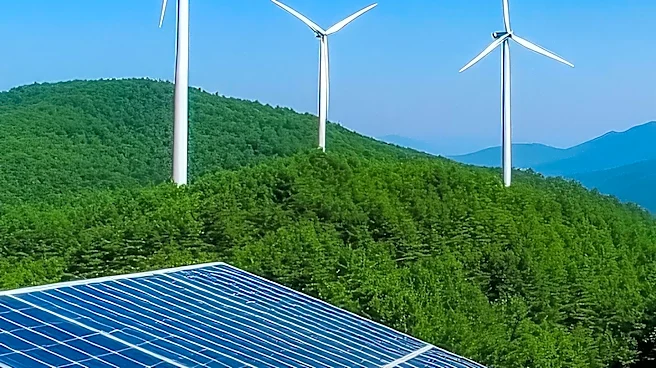
grid expansion and related infrastructure. This shift in focus, as reported by the Global Energy Transition Report from the China Enterprise Reform and Development Society, aims to enhance the efficiency of China's grid to better integrate its substantial wind and solar generation capacity. By the end of 2025, low-carbon energy sources accounted for 60.1% of China's total installed generation capacity, with the country contributing 63.6% of global new additions in alternative energy generation capacity last year. The National Energy Administration reported that China's total installed wind and solar power generation capacity exceeded 2 billion kW by the end of September, with 170 million kW added in the first nine months of the year.
Why It's Important?
China's massive investment in energy transition, particularly its focus on grid expansion, is crucial for addressing the challenges of integrating intermittent renewable energy sources. Historically, a significant portion of wind and solar output has been 'thrown away' due to insufficient grid capacity and demand-supply mismatches. By prioritizing grid infrastructure, China aims to maximize the utilization of its vast renewable energy assets, which is essential for achieving its decarbonization goals and ensuring energy security. This strategic shift could set a precedent for other nations grappling with similar issues in their energy transitions. The scale of China's investment also has global implications, as its dominance in manufacturing solar panel components and wind power equipment has driven down costs worldwide. However, the overcapacity in these sectors within China has led to intense competition and bankruptcies, prompting authorities to roll back subsidies and encourage market-driven innovation.
What's Next?
China's commitment to grid expansion is expected to continue, with the State Grid Corporation of China planning to invest as much as $574 billion through 2030, representing a 40% increase in fixed asset spending compared to the previous five years. This sustained investment will likely solidify China's position as a leader in energy transition spending for the foreseeable future. The focus on improving transmission lines will help carry electricity from remote wind and solar installations to major demand centers, reducing curtailment and enhancing grid stability. While China's low-carbon energy generation is rapidly increasing, coal still accounts for nearly half of its electricity generation. Future developments will involve balancing the growth of renewables with the continued reliance on coal, potentially leading to seasonal variations in the energy mix. The global impact of China's energy policies, particularly its role in driving down renewable energy costs and its influence on international energy markets, will remain significant.
Beyond the Headlines
The sheer scale of China's energy transition efforts, while impressive in terms of installed capacity and investment, also reveals underlying complexities and trade-offs. The rapid buildout of wind and solar installations has created an overcapacity issue, leading to market distortions and the need for policy adjustments. The shift towards grid expansion acknowledges that simply adding generation capacity is insufficient without the infrastructure to effectively utilize it. This highlights a broader lesson for global energy transitions: a holistic approach that integrates generation, transmission, and demand-side management is essential. Furthermore, despite its massive renewable energy growth, China's continued reliance on coal for a significant portion of its electricity generation underscores the challenges of transitioning away from fossil fuels, especially for large, rapidly industrializing economies. The interplay between state-led investment, market dynamics, and environmental goals in China's energy sector offers valuable insights for other countries navigating their own energy futures.