


What's Happening?
The industrial interior design style is experiencing a resurgence, evolving to incorporate modern trends such as warm minimalism and eco-friendly sustainability. This contemporary iteration blends masculine elements like hard metals with softer textures
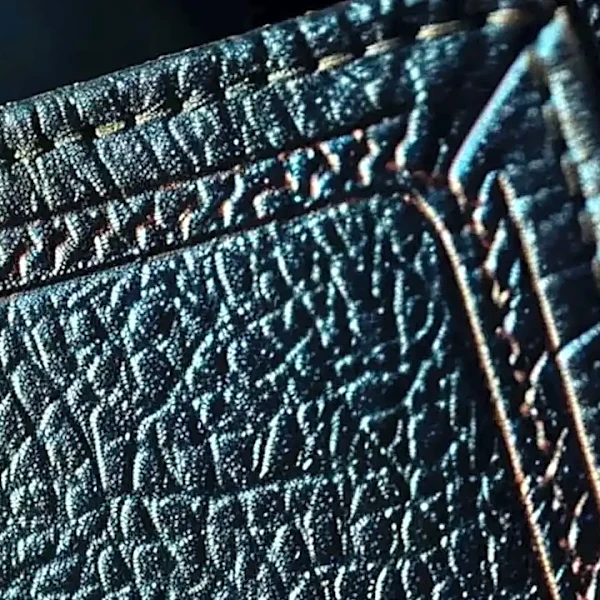
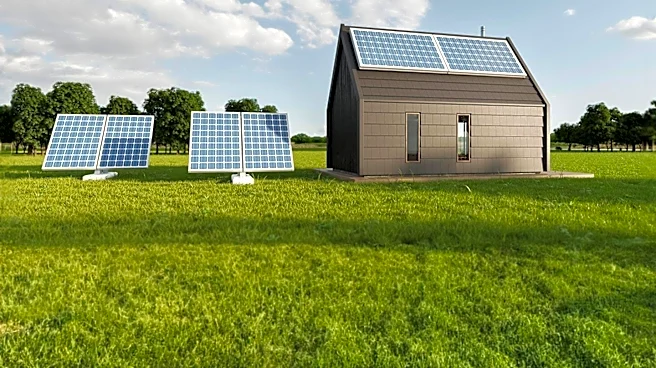
and materials, creating a more gender-neutral and approachable aesthetic. Originating from the Industrial Revolution with its focus on functional factory designs, the style previously saw a revival in the 1960s and 70s as manufacturing warehouses were converted into lofts. The 21st-century version emphasizes warmth, comfort, and subtle embellishments, moving away from its starker predecessors. Key materials include wood, copper, iron, aluminum, steel, concrete, brick, and stone, often with exposed cords, wires, and beams. The current trend also sees the integration of biophilic design, exposed brick, and smart technology, aiming to merge functionality with environmental consciousness. This evolution reflects a desire for efficiency and a purposeful lifestyle, adapting to an era influenced by AI progression.
Why It's Important?
This trend signifies a broader shift in consumer preferences towards homes that are not only aesthetically pleasing but also functional, sustainable, and technologically advanced. The integration of eco-friendly sustainability into industrial design reflects a growing environmental consciousness among homeowners and designers. By incorporating elements like biophilic design and durable, raw materials, these homes aim to reduce environmental impact and promote healthier living spaces. The emphasis on smart technology suggests a future where homes are more connected and efficient, aligning with advancements in artificial intelligence. This movement could influence the construction and interior design industries, pushing for more sustainable building practices and the adoption of smart home systems. For consumers, it offers a blend of classic durability with modern comforts and environmental responsibility, potentially increasing the value and appeal of such properties in the real estate market.
What's Next?
The industrial style is expected to continue evolving, with further integration of smart technology and eco-friendly solutions. As AI progresses, future industrial homes will likely feature advanced smart systems that enhance efficiency, comfort, and sustainability. This could include more sophisticated energy management systems, automated climate control, and integrated security features. The trend towards biophilic design is also likely to expand, with more natural elements and green spaces incorporated into urban and residential settings. Designers and architects may explore new sustainable materials and construction techniques that align with the industrial aesthetic while minimizing environmental footprints. The cyclical nature of design trends suggests that as urban and commercial spaces continue to become available, the industrial style will remain a relevant and adaptable option for modern living, continually merging with emerging technologies and environmental considerations.
Beyond the Headlines
The re-emergence of industrial design with an eco-friendly and tech-integrated focus highlights a deeper cultural shift towards valuing authenticity, efficiency, and environmental responsibility in living spaces. This trend moves beyond mere aesthetics, reflecting a desire for homes that are both visually appealing and ethically sound. The raw honesty of exposed materials like pipes, beams, and brick can be seen as a rejection of excessive consumerism, favoring durability and functionality. The incorporation of biophilic design speaks to a growing need for connection with nature in increasingly urbanized environments, promoting well-being and reducing stress. Furthermore, the seamless integration of smart technology suggests a future where homes are not just shelters but intelligent ecosystems that support a sustainable and purposeful lifestyle, blurring the lines between design, technology, and environmental stewardship.