






What's Happening?
R3 Lithium, a new battery material recovery and refining firm, is set to restart operations at a previously shuttered factory in Covington, Georgia. The facility, located approximately 35 miles east of downtown Atlanta, was formerly owned by Ascend Elements,
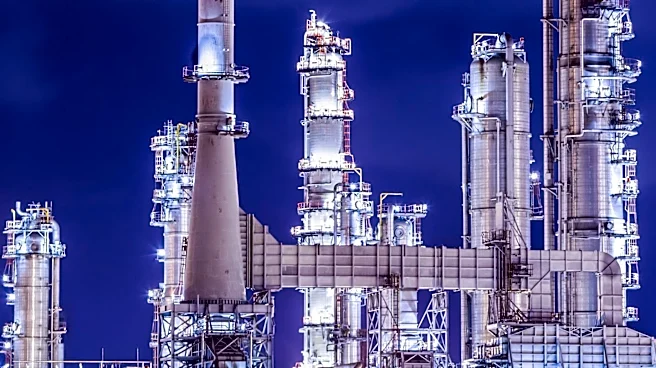
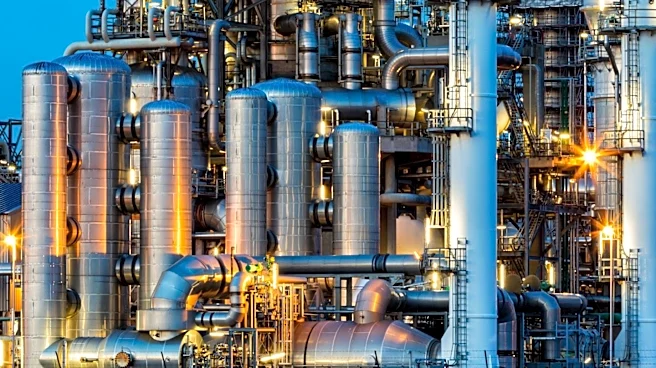
which filed for Chapter 11 bankruptcy earlier this year. R3 Lithium acquired the 154,000-square-foot plant in July for an undisclosed amount. The company plans to produce lithium carbonate, a crucial component in lithium-ion batteries, from used lithium-ion batteries and manufacturing scrap. This initiative aims to establish a significant domestic source for this critical material, which is essential for electric vehicles (EVs) and battery storage systems. The restart of this factory signifies a renewed effort to bolster the U.S. battery supply chain and reduce reliance on foreign sources for key materials.
Why It's Important?
The revitalization of the Covington plant by R3 Lithium is important for several reasons. Firstly, it contributes to the domestic production of lithium carbonate, a vital material for the rapidly expanding electric vehicle and energy storage sectors in the U.S. Reducing dependence on international supply chains, particularly from countries like China which dominate battery material processing, enhances national economic security and resilience. Secondly, the project promotes a circular economy by recycling used lithium-ion batteries and manufacturing scrap, addressing environmental concerns associated with battery waste and raw material extraction. This aligns with broader U.S. goals for sustainable manufacturing and resource management. Lastly, the re-opening of the factory creates jobs and stimulates economic activity in the Georgia region, supporting local communities and contributing to the growth of the U.S. clean energy industry.
What's Next?
R3 Lithium is currently ramping up its operations at the Covington facility, with production of lithium carbonate from used lithium-ion batteries and manufacturing scrap expected to commence. The company's success will likely influence further investments in domestic battery recycling and refining infrastructure. The project's progress will be closely watched as a model for how the U.S. can develop a more robust and sustainable battery supply chain. Potential reactions from stakeholders could include increased government support for similar recycling initiatives, as well as interest from other battery manufacturers and EV companies seeking to secure domestic sources of critical materials. The long-term success of R3 Lithium could also encourage more companies to explore battery recycling as a viable and profitable business model.
Beyond the Headlines
The re-establishment of the Covington battery material recycling plant highlights a deeper shift in the U.S. approach to critical mineral supply chains. Beyond immediate economic and environmental benefits, this move reflects a strategic imperative to de-risk the nation's access to essential resources for advanced technologies. The previous bankruptcy of Ascend Elements underscores the challenges and volatility inherent in this nascent industry, but R3 Lithium's acquisition signals renewed confidence and a commitment to overcoming these hurdles. This development could trigger a broader re-evaluation of industrial policies, emphasizing not just manufacturing, but also the entire lifecycle of critical materials, from extraction and processing to recycling. The ethical implications of sourcing and processing these materials, particularly in terms of environmental impact and labor practices, will also become increasingly scrutinized as domestic production scales up.