



What's Happening?
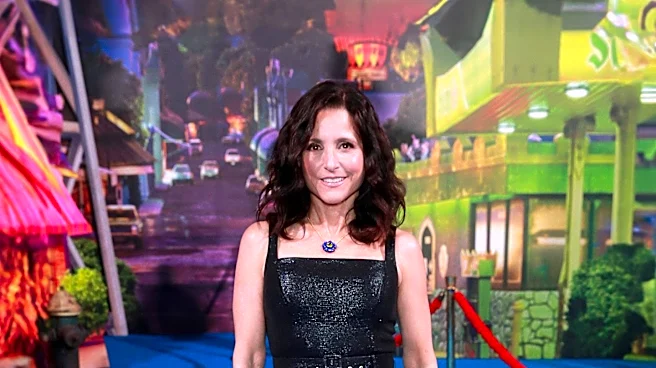
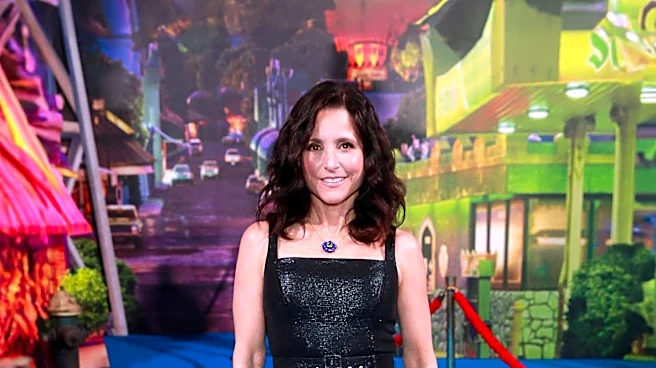
Julia Louis-Dreyfus, known for her role as Elaine Benes in the hit sitcom 'Seinfeld,' recently disclosed that there was significant 'friction' and 'tension' on the set of the show. Speaking on the 'Friends Keep Secrets' podcast, Louis-Dreyfus confirmed
that arguments and disagreements were frequent during the show's nine-season run from 1990 to 1998. She attributed these tensions to the demanding nature of producing high-quality work, stating, 'it's hard to do anything really well, and it takes a lot of work, and you're going to butt heads.' Despite the creative differences, Louis-Dreyfus emphasized that the overall environment was collaborative and allowed for considerable freedom, making the experience enjoyable. She recalled instances of arguments, particularly concerning the pitching of ideas to series creators Larry David and Jerry Seinfeld. The actress also noted that the show's unique approach to structured television fostered an air of freedom, contributing to the cast and crew having 'a lot of fun making it.'
Why It's Important?
This revelation offers a rare glimpse into the behind-the-scenes dynamics of one of television's most iconic and critically acclaimed sitcoms. 'Seinfeld' is widely regarded as a groundbreaking show that redefined the sitcom genre, and understanding the creative tensions involved in its production provides valuable context for its enduring legacy. For fans and television historians, Louis-Dreyfus's comments highlight that even highly successful and seemingly effortless comedic productions often involve intense creative struggles. It underscores the reality that artistic collaboration, while essential, frequently comes with disagreements and 'butting heads' among talented individuals. This insight can influence how future television productions are approached, emphasizing the importance of managing creative conflicts while fostering an environment of freedom and collaboration to achieve artistic excellence. The show's ability to thrive despite these internal pressures speaks to the resilience and dedication of its cast and crew.
What's Next?
While 'Seinfeld' concluded its run decades ago, Louis-Dreyfus's comments may spark renewed interest in the show's production history, potentially leading to more behind-the-scenes anecdotes from other cast members or crew. This could manifest in new interviews, documentaries, or retrospective analyses exploring the creative process and challenges faced during the show's development. The discussion might also prompt other actors and creators of long-running series to share their experiences regarding on-set dynamics, contributing to a broader conversation about the realities of television production. For the entertainment industry, these insights could inform strategies for fostering creative environments that balance artistic freedom with effective conflict resolution, particularly in collaborative projects. The ongoing fascination with 'Seinfeld' ensures that any new details about its creation will continue to be a topic of discussion among its dedicated fanbase and within media circles.
Beyond the Headlines
The disclosure of on-set tensions on 'Seinfeld' goes beyond mere celebrity gossip, touching upon the broader psychological and sociological aspects of creative collaboration. It illustrates that even in highly successful and seemingly harmonious projects, the pursuit of excellence often involves significant interpersonal friction. This phenomenon is not unique to entertainment but is common across various creative and professional fields where diverse talents and strong personalities converge. The ability of the 'Seinfeld' team to navigate these tensions while producing a show that became a cultural touchstone highlights the importance of a shared vision and mutual respect, even amidst disagreements. It also raises questions about the nature of creative genius—whether some level of conflict is inherent to pushing boundaries and achieving innovative results. This perspective offers a more nuanced understanding of the creative process, suggesting that 'friction' can sometimes be a catalyst for artistic breakthroughs rather than solely a hindrance.