





What's Happening?
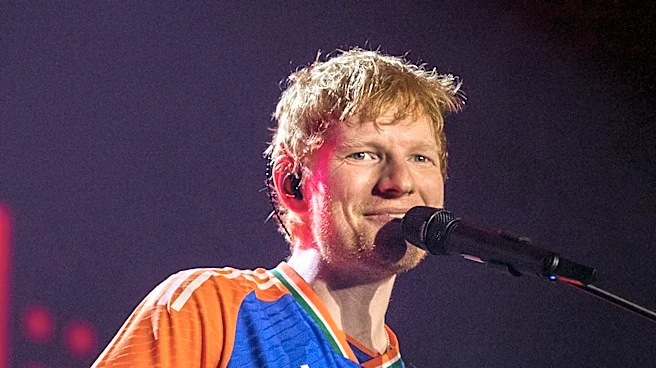
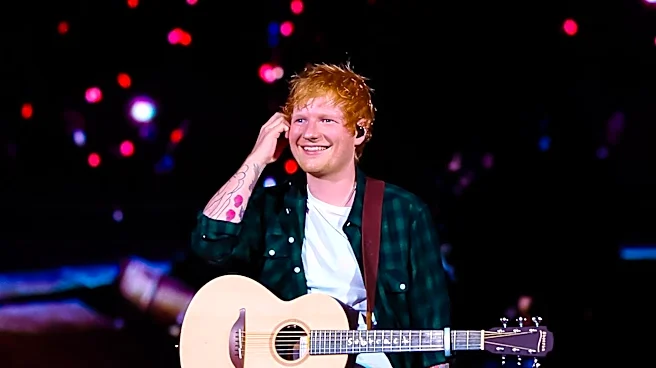
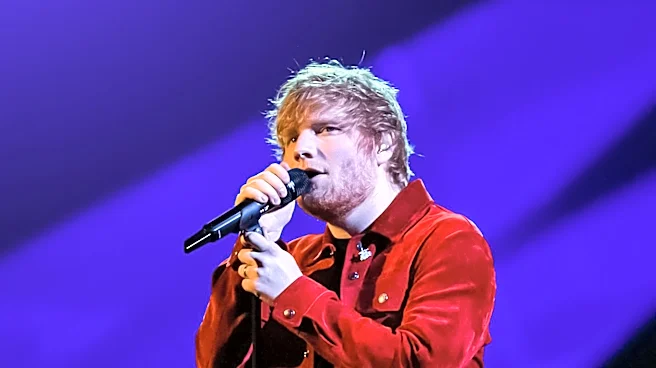
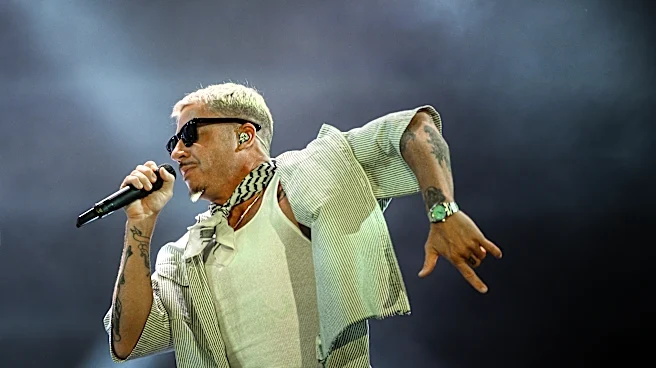
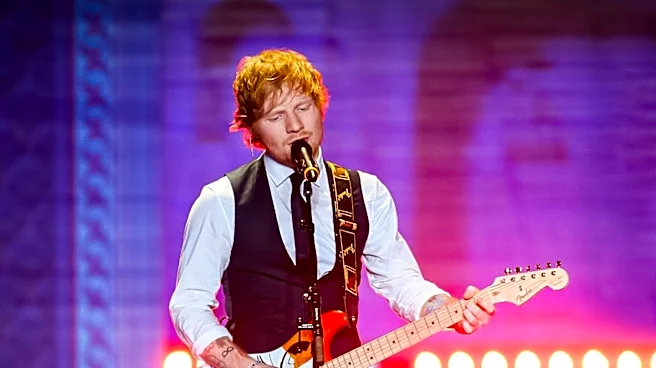
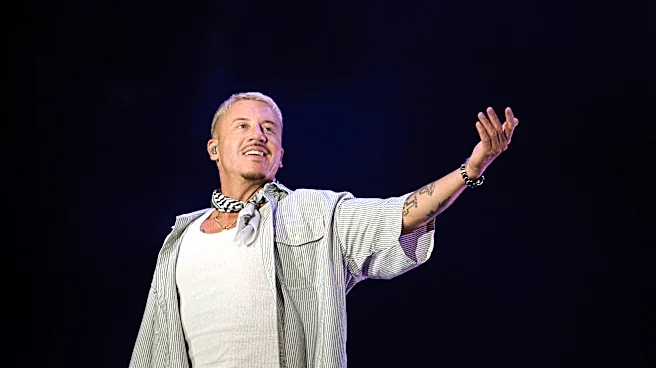
A petition has been launched demanding the removal of rapper Macklemore from Ed Sheeran's 'Loop Tour' after he delivered a pro-Palestinian speech and performed his protest song 'Hind's Hall' during his opening set at MetLife Stadium in East Rutherford,
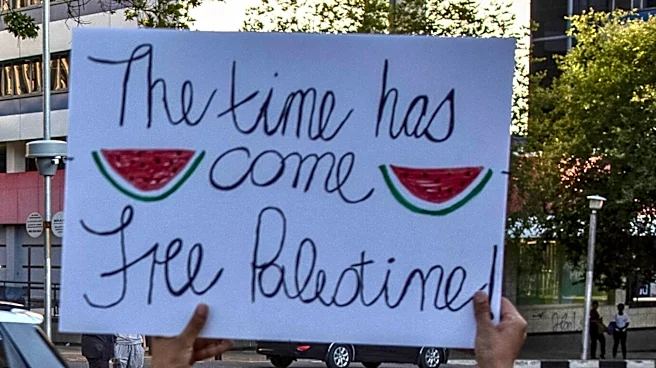
New Jersey. Macklemore, wearing a kaffiyeh, addressed a crowd of over 80,000 people, stating his desire to use the platform to say 'Free Palestine' loudly and clearly, so that people in Gaza and the occupied West Bank know they are not forgotten. During his performance of 'Hind's Hall,' footage from Gaza and pro-Palestinian demonstrations were displayed on stadium screens. He also connected his message to personal fears for his 11-year-old daughter's future, advocating for freedom for various regions and for people in America living in fear due to ICE. The Israeli-American Council filed the petition, targeting Sheeran, his management, venue leadership, and concert promoter Live Nation, questioning whether Macklemore's speech and visual content were pre-approved. The council emphasized that the event was an Ed Sheeran concert, not a political rally, and that freedom of expression comes with responsibility.
Why It's Important?
This incident highlights the increasing intersection of celebrity platforms and geopolitical issues, particularly the Israeli-Palestinian conflict, within the U.S. entertainment landscape. The petition and the rapper's actions underscore the polarized public sentiment surrounding the conflict and the pressure placed on artists and event organizers to navigate these sensitive topics. For the entertainment industry, it raises questions about the boundaries of artistic expression at commercial events and the potential for political statements to alienate portions of the audience or lead to calls for censorship. The involvement of groups like the Israeli-American Council demonstrates how advocacy organizations are actively monitoring and responding to public figures' stances on international affairs, potentially influencing future booking decisions and artist endorsements. This event could set a precedent for how tour organizers vet and manage the content presented by supporting acts, especially in large-scale public venues, impacting both artistic freedom and commercial viability.
What's Next?
The immediate next steps will likely involve responses from Ed Sheeran's management, Live Nation, and the venues hosting the 'Loop Tour' regarding the petition and Macklemore's continued participation. They may issue statements clarifying their stance on political expressions during concerts or address the approval process for opening acts' content. The Israeli-American Council and other advocacy groups will likely continue to monitor Macklemore's performances and potentially escalate their campaign if their demands are not met. This situation could also prompt other artists and event organizers to re-evaluate their policies on political messaging during live performances, potentially leading to more explicit guidelines or restrictions. The incident may also spark further public debate on the role of celebrities in political activism and the responsibilities of concert promoters in managing diverse viewpoints at their events.
Beyond the Headlines
Beyond the immediate controversy, this event touches upon deeper implications concerning freedom of speech versus commercial responsibility in public forums. It raises questions about whether a concert stage, typically a space for entertainment, should also serve as a platform for political discourse, and who bears the responsibility for the content shared. The use of a kaffiyeh and specific protest songs by Macklemore also highlights the cultural and symbolic weight carried by such expressions, which can resonate deeply with certain communities while being perceived as offensive by others. This incident could contribute to a broader trend where artists are increasingly expected, or pressured, to take public stances on social and political issues, blurring the lines between entertainment and activism. It also underscores the challenges faced by event organizers in balancing diverse audience expectations, contractual obligations with artists, and potential political backlash, ultimately influencing the cultural landscape of public gatherings.