






What's Happening?
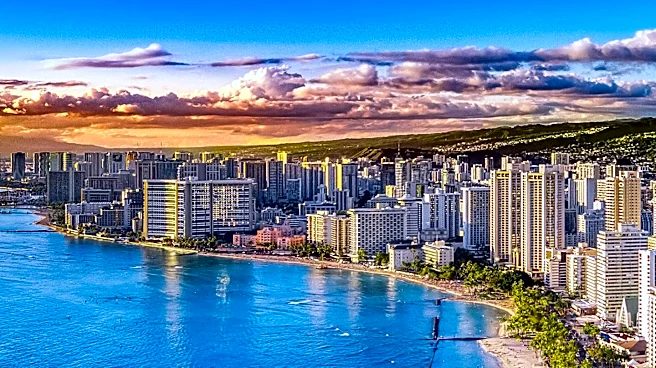
Hawaii is facing a significant challenge with its younger population increasingly leaving the islands for the U.S. mainland, driven by a tourism-dependent economy, low wages, and soaring living costs. The state's economy, historically reliant on tourism,
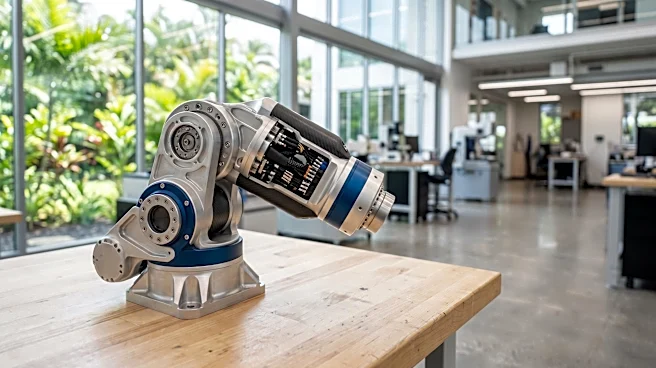
has seen inflation-adjusted tourism revenue peak decades ago, with visitor numbers still below pre-pandemic levels. In June, total visitor numbers were down 9% compared to 2019, and international visitors were down approximately 50%. Concurrently, food and housing prices are escalating, leading to some of the lowest incomes after living expenses in the U.S., and median home prices second only to California. In response, Hawaii is actively trying to diversify its economy by fostering new technology and manufacturing industries. Efforts include engineering startups developing heating and cooling systems, university students building equipment for lunar missions, and scientists 3D-printing wastewater treatment components. The state is also exploring aerospace and marine technology sectors, leveraging its unique geographical advantages.
Why It's Important?
The exodus of young people from Hawaii poses a long-term threat to the state's economic vitality and social fabric. A continued brain drain could deplete the local workforce, hinder innovation, and exacerbate the challenges of an aging population. The over-reliance on tourism makes Hawaii vulnerable to global economic shifts and crises, as demonstrated by the pandemic's impact. Diversifying the economy into technology, aerospace, and marine sectors is crucial for creating higher-paying jobs, retaining talent, and building a more resilient economic future. Success in these new industries could transform Hawaii from a purely tourist destination into a hub for specialized technological development, offering its residents more diverse career paths and a higher quality of life. Failure to diversify could lead to sustained low growth and continued population decline, impacting everything from tax revenues to community services.
What's Next?
Hawaii's efforts to diversify its economy will involve continued investment in emerging sectors like aerospace and marine technology. The state is actively engaging with companies, such as Fenix Space, a California-based satellite launch company, to explore the possibility of establishing launch pads on the islands. This could create significant engineering jobs and establish Hawaii as a player in the space industry. Additionally, initiatives like the Hawaii Technology Development Corporation are leasing manufacturing spaces to startups to provide accessible infrastructure without long-term commitments. However, the state must learn from past failures, such as the 2001 tax break program for tech investors that yielded limited returns despite significant tax expenditures. Future strategies will likely focus on more targeted support, infrastructure development, and fostering a robust ecosystem for innovation to ensure sustainable growth and talent retention.
Beyond the Headlines
The economic transformation in Hawaii carries deeper implications beyond job creation and revenue. It represents a cultural shift from a service-oriented economy to one driven by innovation and technology. This transition could alter the social landscape, potentially attracting a new demographic of residents and changing the traditional island lifestyle. There are also ethical considerations regarding the balance between economic development and preserving Hawaii's unique natural environment and indigenous culture. The push for aerospace and marine technology, while promising, must be carefully managed to avoid environmental degradation. Furthermore, the success of these initiatives will depend on addressing the root causes of the youth exodus, including affordable housing and competitive wages, to ensure that the benefits of economic diversification are broadly shared among Hawaii's residents and do not exacerbate existing inequalities.