

What's Happening?
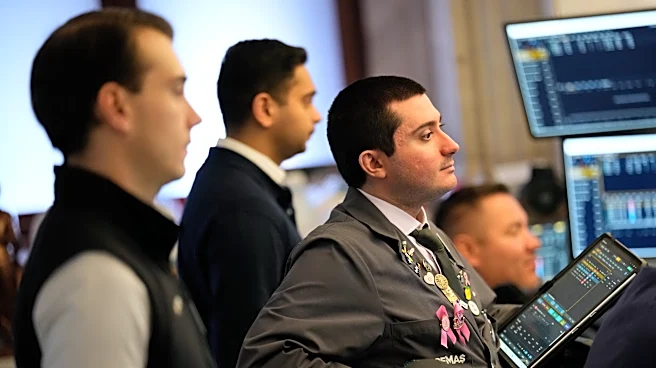
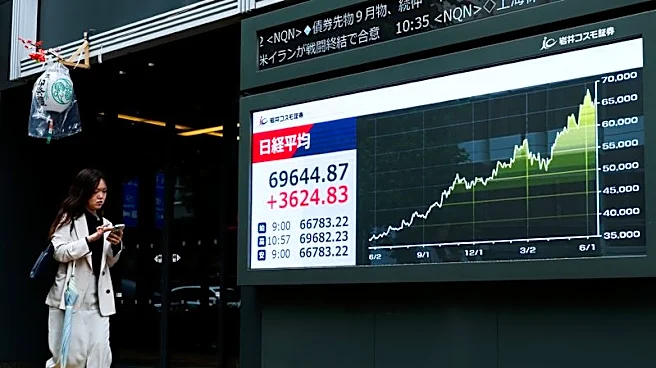
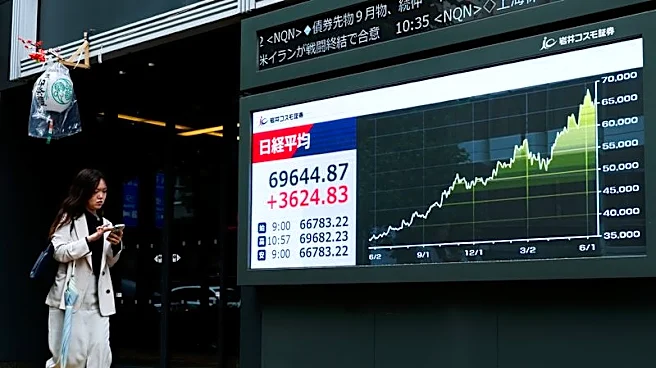
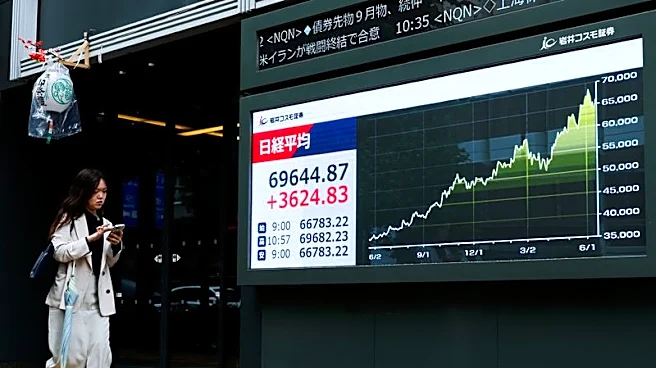
Global stock markets saw advances in Europe and Asia on Thursday, while U.S. markets were closed for the Thanksgiving holiday. U.S. stock futures, specifically the S&P 500 futures, climbed 0.5%. In Asia, Japan's Nikkei 225 rebounded by 0.9%, with OpenAI
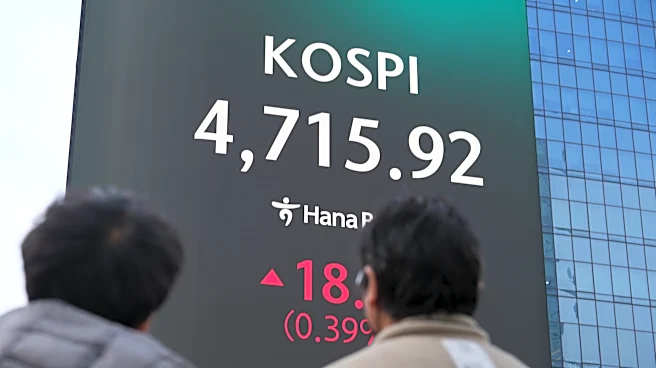
investor SoftBank Group jumping 7.3% and memory chipmaker Kioxia Holdings surging 12.6%. South Korea's Kospi index added 0.3%, and Taiwan's Taiex was 2.5% higher. Hong Kong’s Hang Seng index rose 1.2%, and the Shanghai Composite index was up less than 0.1%. This global uplift was partly attributed to buying in artificial intelligence (AI) related stocks, although some profit-taking later in the day pared these gains. Investors are also monitoring the impact of new tariff hikes Washington plans to impose on China, Japan, the European Union, and other trading partners. Wall Street had closed mixed on Wednesday, with the S&P 500 index losing 0.3% and the Nasdaq composite closing 0.6% lower, while the Dow Jones Industrial Average picked up 0.3%.
Why It's Important?
The global market movements, even with U.S. markets closed, highlight the interconnectedness of the world economy and the significant influence of U.S. economic factors. The rebound in AI-related stocks in Asia, despite investor caution, indicates continued interest and investment in the technology sector, which is a key driver of innovation and economic growth in the U.S. and globally. The planned tariff hikes by Washington on major trading partners like China, Japan, and the EU are particularly important for U.S. industries, as they could lead to increased costs for imported goods, potential retaliatory tariffs, and disruptions in global supply chains. This could impact U.S. businesses relying on international trade and consumers facing higher prices. The mixed close on Wall Street before the holiday suggests underlying volatility and investor uncertainty, which could influence U.S. market performance upon reopening.
What's Next?
U.S. markets are scheduled to reopen on Friday for a holiday-shortened session, where investors will react to the global market trends observed during the Thanksgiving closure. The performance of AI shares will continue to be a focal point, especially after Nvidia's recent decline and S&P Global Ratings' warning about a potential downgrade of its credit rating. The ongoing monitoring of Washington's planned tariff hikes will likely influence trade policies and corporate strategies for U.S. companies engaged in international commerce. Additionally, the persistent tensions in the Middle East, which have contributed to rising oil prices, will remain a critical factor for U.S. energy markets and consumer costs. The U.S. dollar's performance against other major currencies will also be closely watched as global economic conditions evolve.
Beyond the Headlines
The cautious sentiment surrounding the AI trade, despite its recent rebound, suggests a deeper evaluation by investors regarding the long-term sustainability and profitability of AI companies. This could lead to a more discerning investment landscape, favoring companies with clear revenue models and strong governance. The tariff hikes by Washington underscore a broader trend of increasing protectionism and geopolitical tensions, which could reshape global trade alliances and supply chain resilience. For the U.S., this might accelerate efforts towards reshoring manufacturing and diversifying trade partners, potentially leading to significant shifts in industrial policy and economic strategy. The interplay between technological innovation, geopolitical dynamics, and market sentiment will continue to define the economic landscape, impacting everything from consumer prices to national security.