




What's Happening?
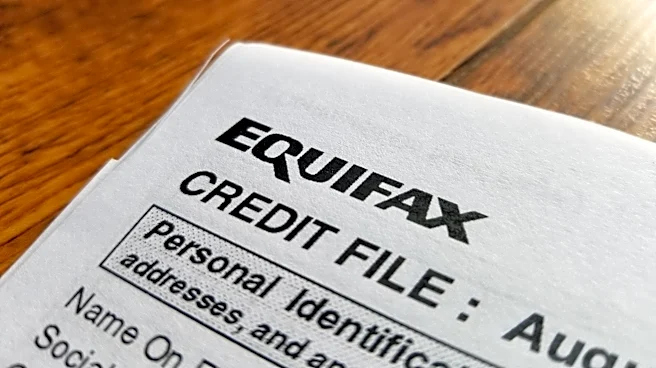
A homeowner has filed a federal lawsuit in the Northern District of Texas, Dallas Division, against Nationstar Mortgage LLC, operating as Mr. Cooper, and three major credit bureaus: Equifax, Experian, and Trans Union. The lawsuit alleges that these entities
failed to correct inaccurate mortgage information on her account despite her sending dispute letters in August 2026. The complaint highlights a discrepancy where Equifax reported a $0.00 high balance on the account, contrasting with a claimed mortgage high balance of $384,068. The borrower obtained her mortgage in November 2020, filed for Chapter 13 bankruptcy in January 2022, and received a discharge in February 2026. According to the lawsuit, Equifax made no requested changes, Experian provided no substantive corrections, and Trans Union did not respond to the dispute letters. The case is currently at the pleading stage.
Why It's Important?
This lawsuit is significant because it invokes the Fair Credit Reporting Act (FCRA), a federal law designed to ensure the accuracy and privacy of consumer credit information. The case underscores the challenges consumers face when attempting to rectify errors on their credit reports, particularly concerning mortgage accounts after a bankruptcy discharge. Inaccurate credit reporting can severely impact a borrower's ability to access credit, secure loans, and even affect housing or employment opportunities. The outcome of this lawsuit could set a precedent for how courts interpret the duties of mortgage servicers and credit bureaus under the FCRA, especially when multiple parties are accused of inaction following a consumer dispute. It also emphasizes the critical need for consumers to meticulously review their credit reports and maintain thorough documentation of all disputes.
What's Next?
The lawsuit is currently in the pleading stage, meaning the court will review the initial filings and arguments from both sides. The next steps will likely involve discovery, where both the homeowner and the defendants (Mr. Cooper, Equifax, Experian, and Trans Union) will exchange information and evidence. This process could lead to motions for summary judgment, where one party asks the court to rule in their favor without a full trial, or the case could proceed to trial. The legal proceedings will test how courts apply the FCRA's requirements for investigating consumer disputes and correcting inaccurate information, particularly in complex scenarios involving bankruptcy discharges and multiple reporting agencies. The resolution of this case could influence future practices of mortgage servicers and credit bureaus regarding dispute resolution and data accuracy.
Beyond the Headlines
Beyond the immediate legal implications, this case sheds light on broader systemic issues within the credit reporting ecosystem. The persistence of alleged errors on a credit file, even after a bankruptcy discharge and direct disputes, suggests potential vulnerabilities in the mechanisms designed to protect consumer financial data. This situation can lead to significant financial and emotional distress for individuals attempting to rebuild their financial lives. The lawsuit also highlights the power imbalance between individual consumers and large financial institutions and credit reporting agencies. It underscores the ethical responsibility of these entities to maintain accurate records and respond diligently to consumer complaints, as inaccuracies can have profound and lasting consequences on an individual's financial well-being and access to essential services. The case may prompt increased scrutiny of compliance with the FCRA and potentially lead to calls for stronger consumer protections.